Roofing Materials & Installation
TPO vs EPDM vs PVC Roofing: Which Flat Roof Material is Right for Your Suffolk County Property?
Choosing the right flat roofing material affects your property’s protection, energy costs, and maintenance needs

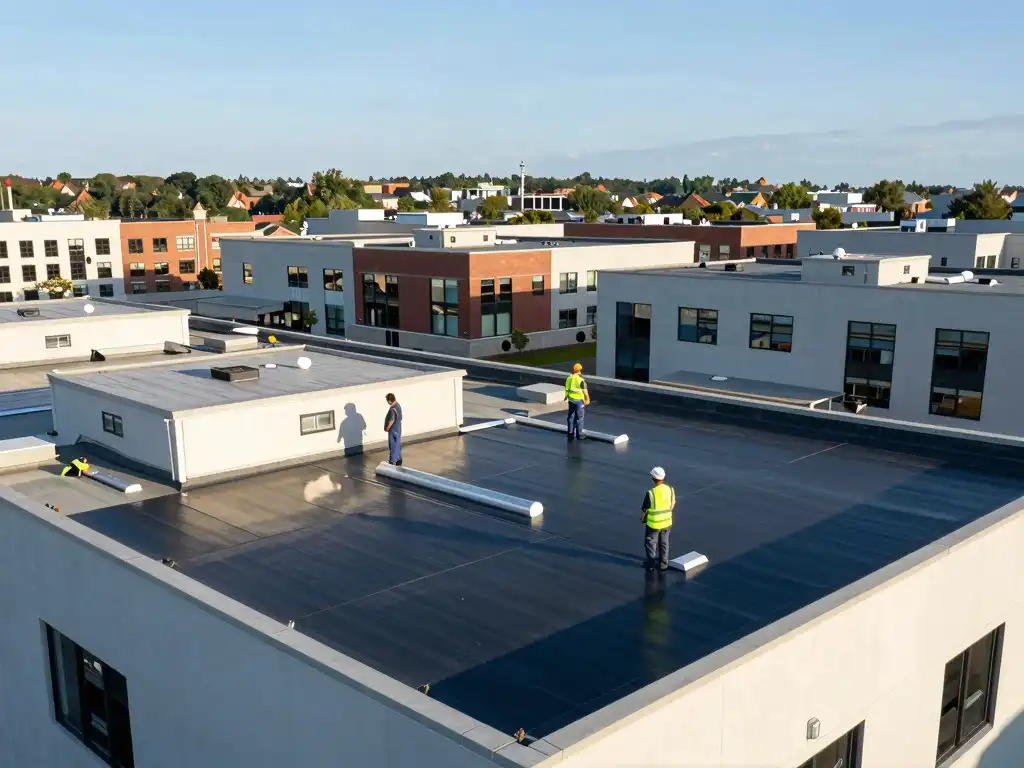
We cover the county end to end, from Babylon and Islip through Smithtown and Brookhaven and out toward Riverhead and the forks.
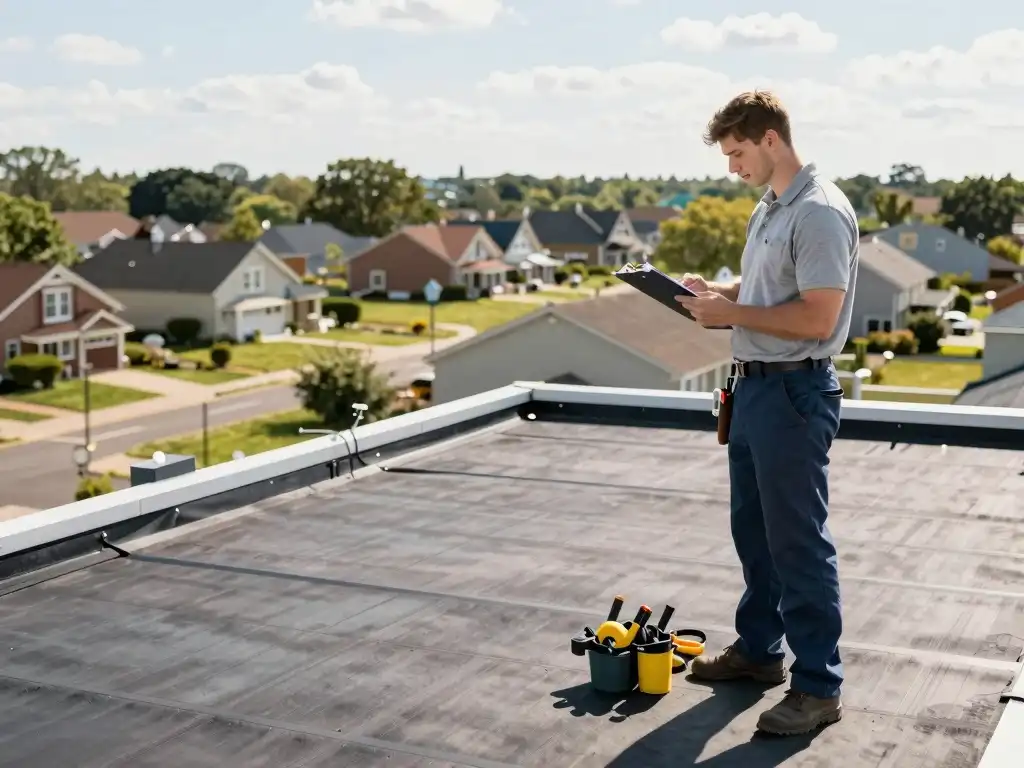
Repair, replacement, inspection, maintenance, waterproofing, and snow clearing, all under one licensed contractor instead of a different number for each task.
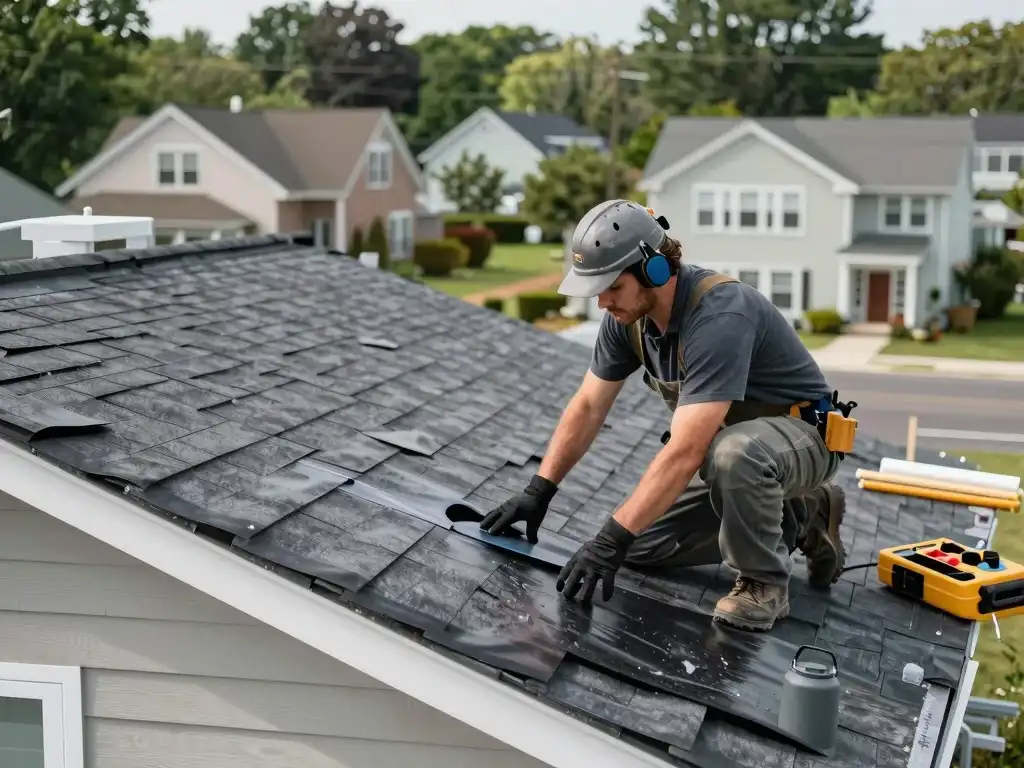
Rear additions, garage roofs, and flat-topped homes get the same membrane systems and detailing as the commercial work, sized for a smaller roof.
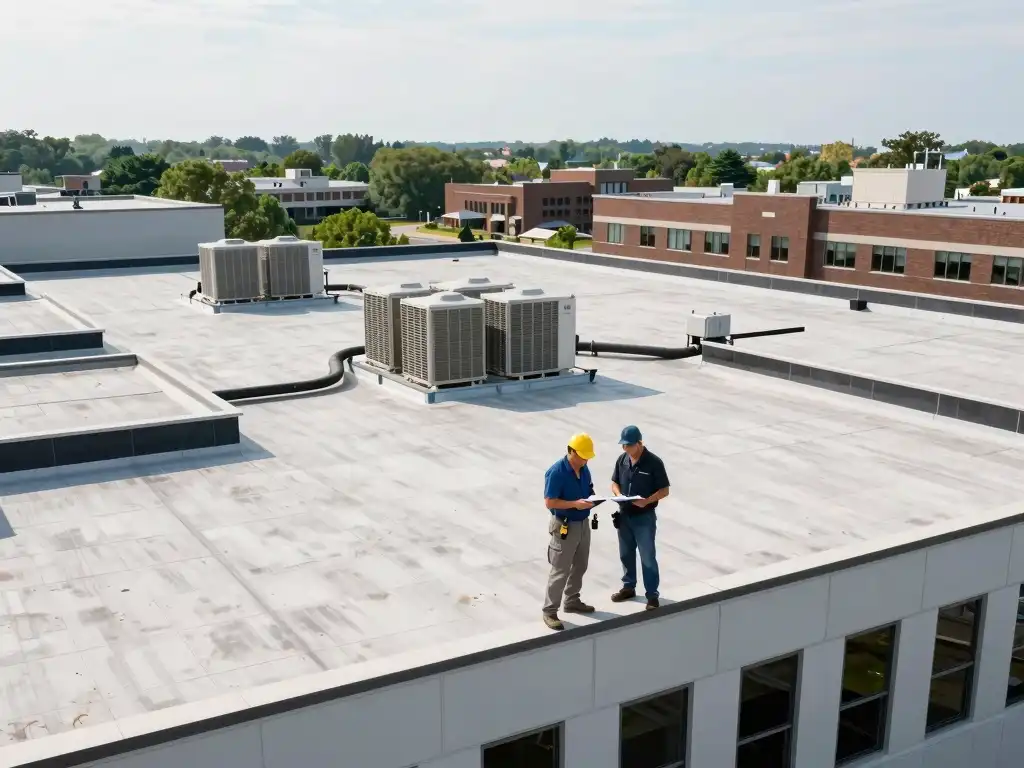
Warehouses, plants, office buildings, retail plazas, and restaurants, where the job has to fit around tenants, freight, and business hours.
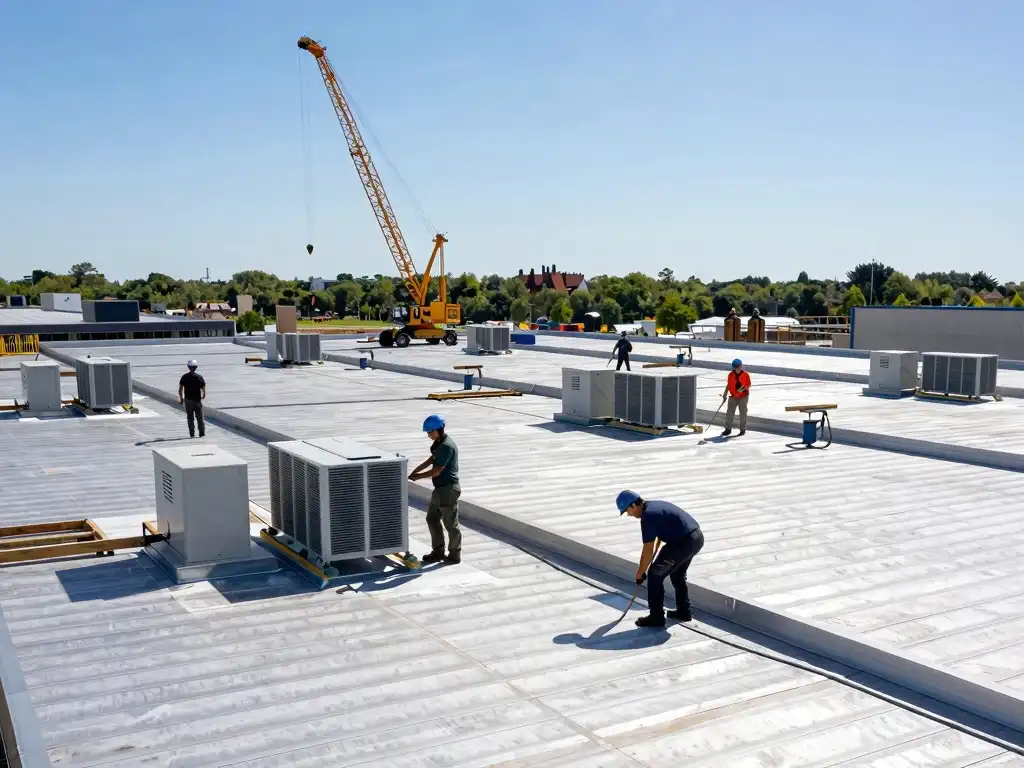
Flat roof systems on new builds and additions, spec'd to the structure, the load it carries, and the way the building will be used.
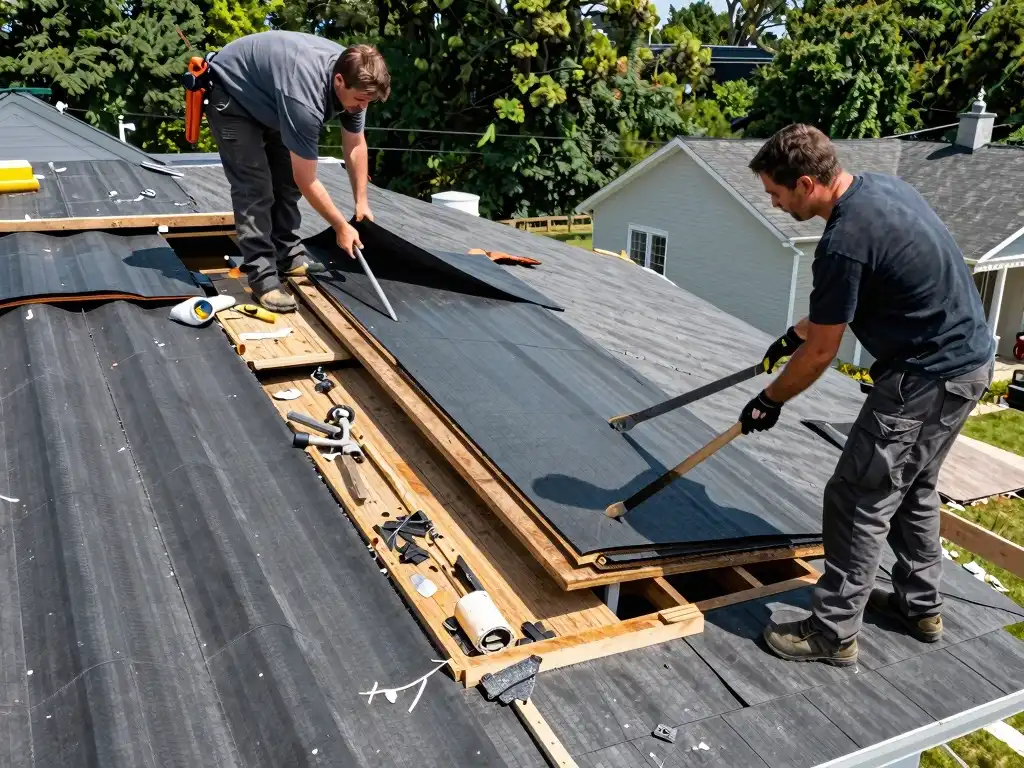
Tear-off to a clean deck, new insulation and cover board, then a fresh TPO, PVC, EPDM, or modified bitumen system spec'd to the building.
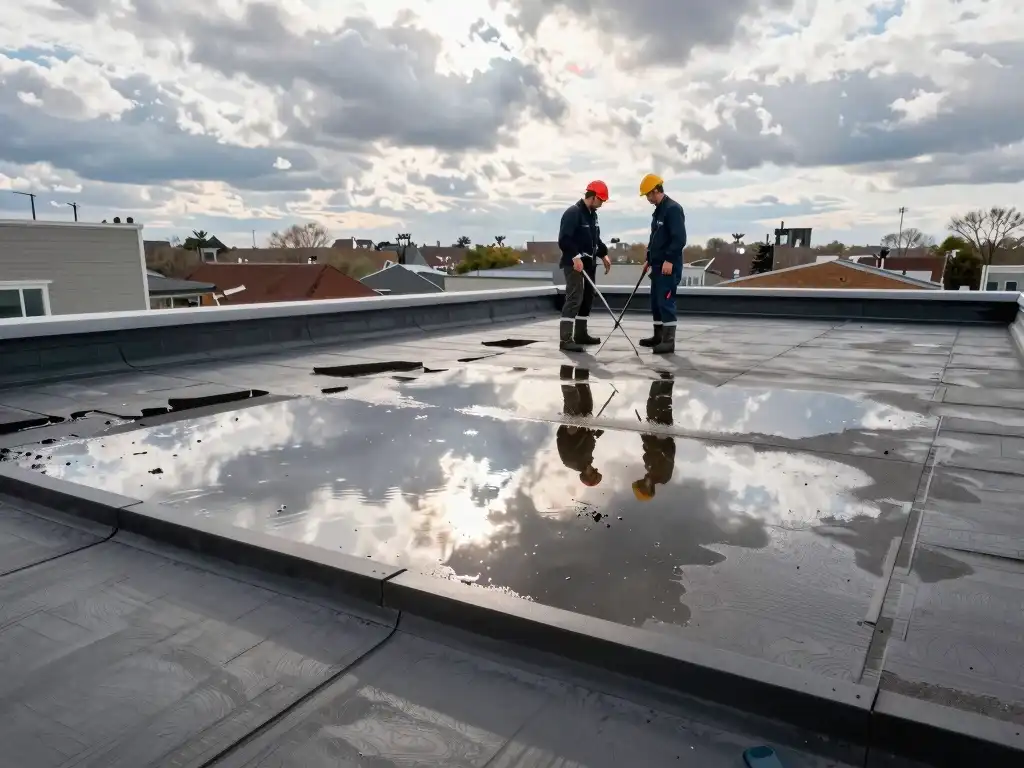
Lifting seams, cracked flashing, failed pitch pockets, blistered membrane, backed-up drains. We find the real source before we open anything up.
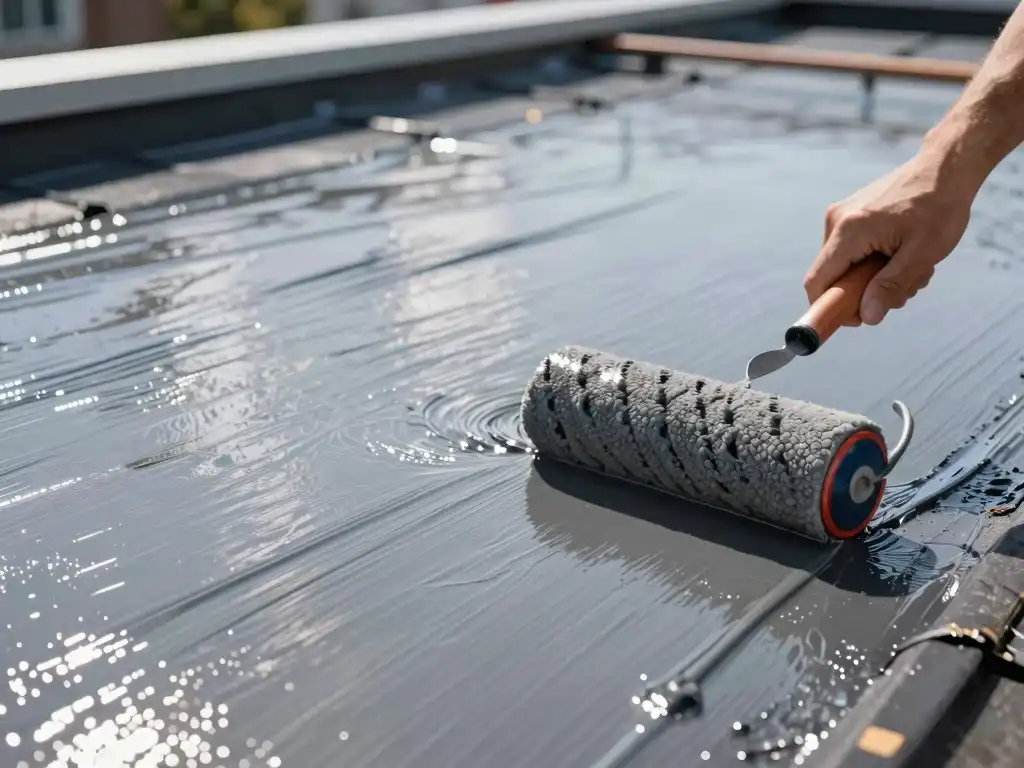
On a sound, dry roof, a fluid-applied coating or waterproofing layer adds years and reflects summer heat for a fraction of a replacement.

We come in as the roofing piece on larger projects, coordinate with the general contractor or building manager, and keep our scope and paperwork clean.
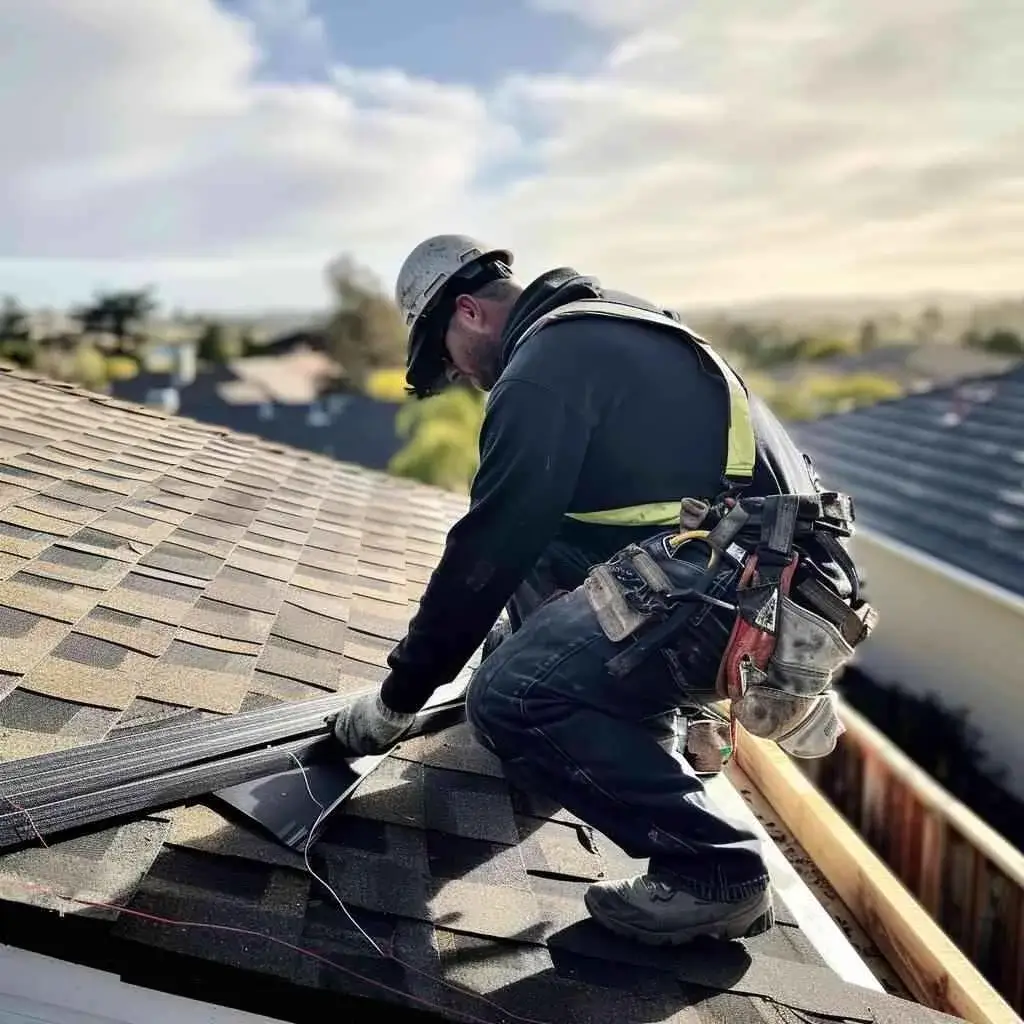
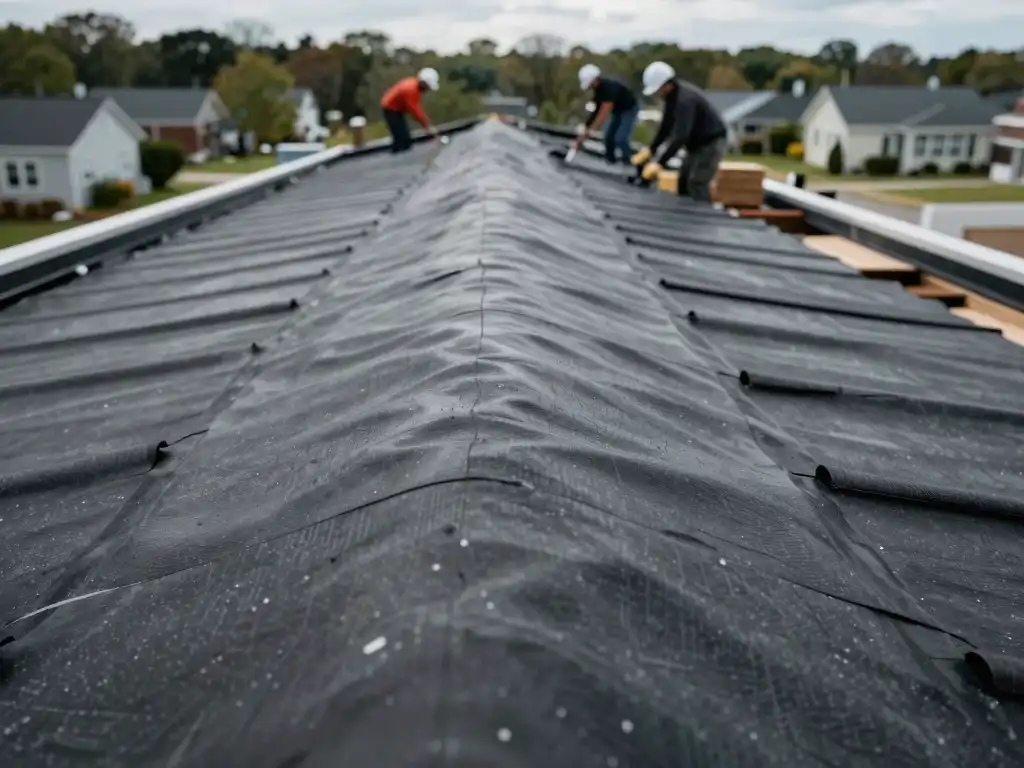
What "flat" really means, why low-slope roofs behave nothing like pitched ones, and what that changes about how they get built and looked after.
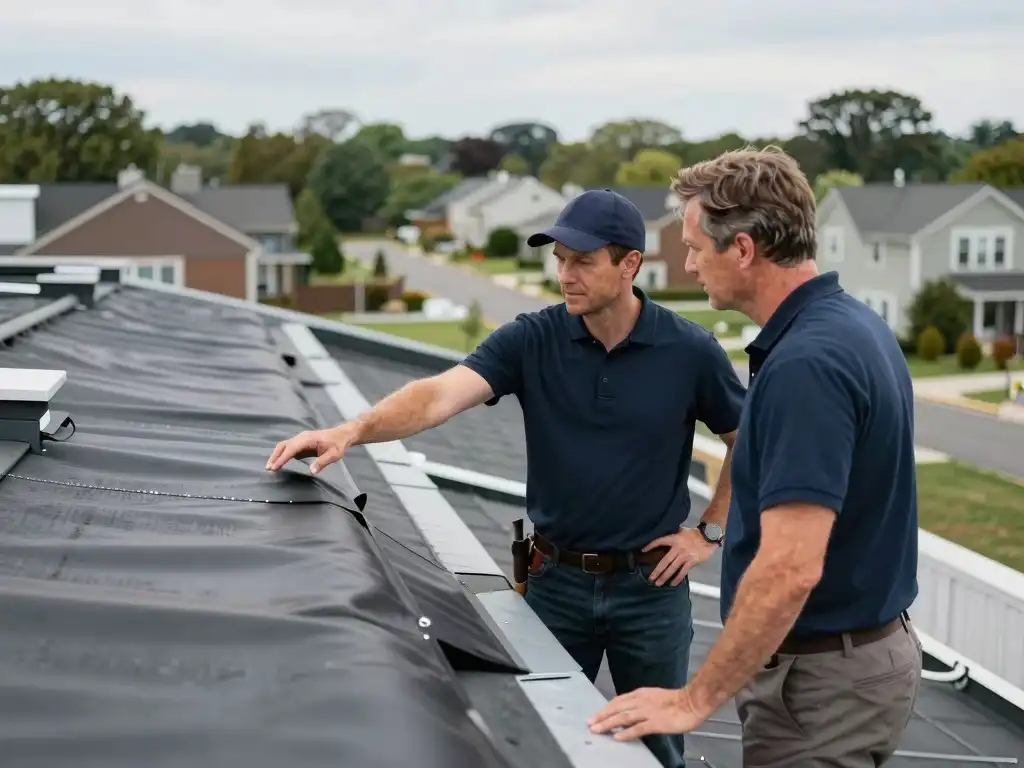
The first questions answered: rough cost ranges, how long a job takes, which permits apply, and what to expect while the work is happening.
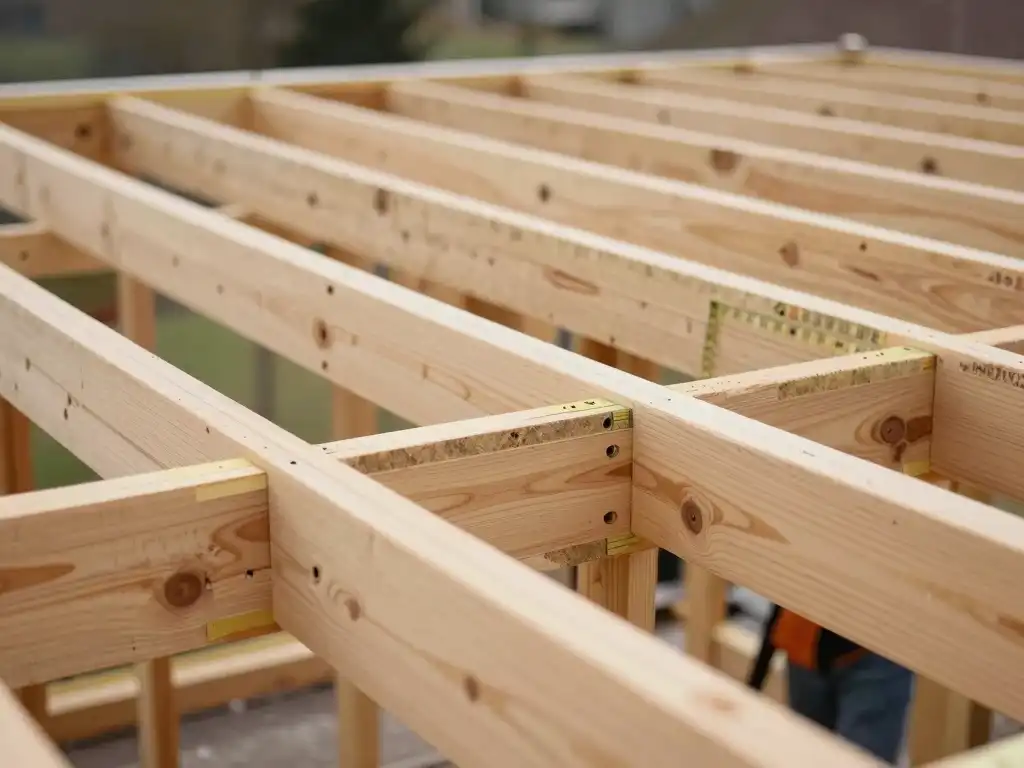
How flat roofs sit on additions, dormers, and rear extensions, and how the structure underneath carries snow, foot traffic, and rooftop equipment.
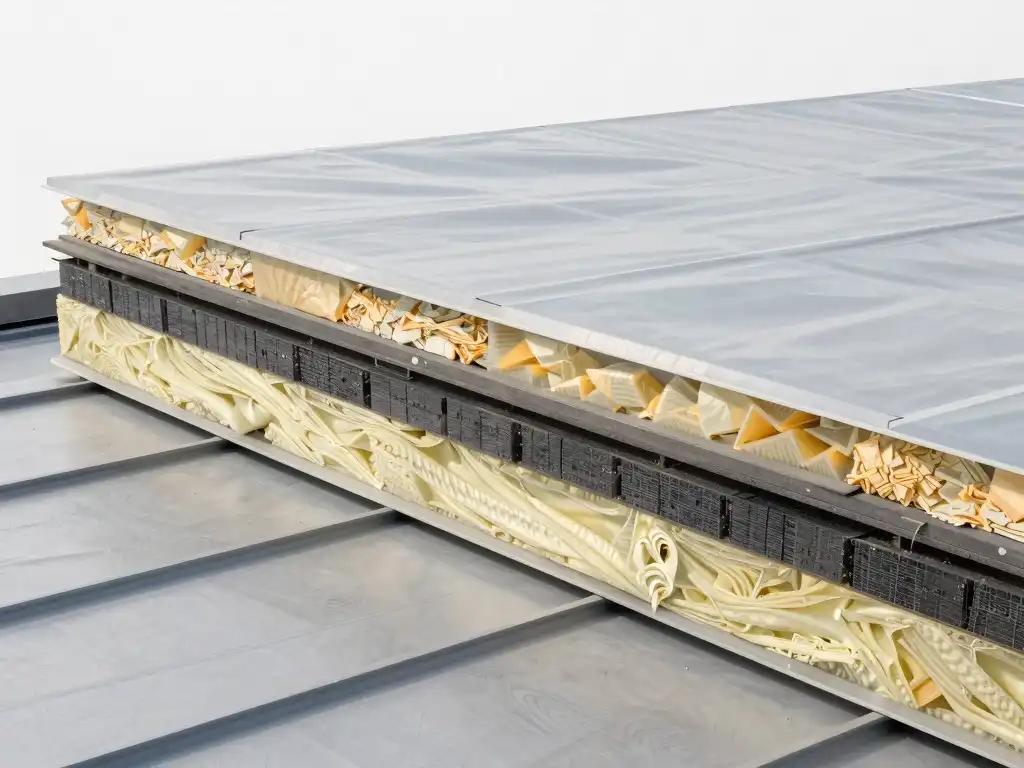
Decking, substrate, slope, fasteners, and the structural movement a membrane has to ride out without splitting.
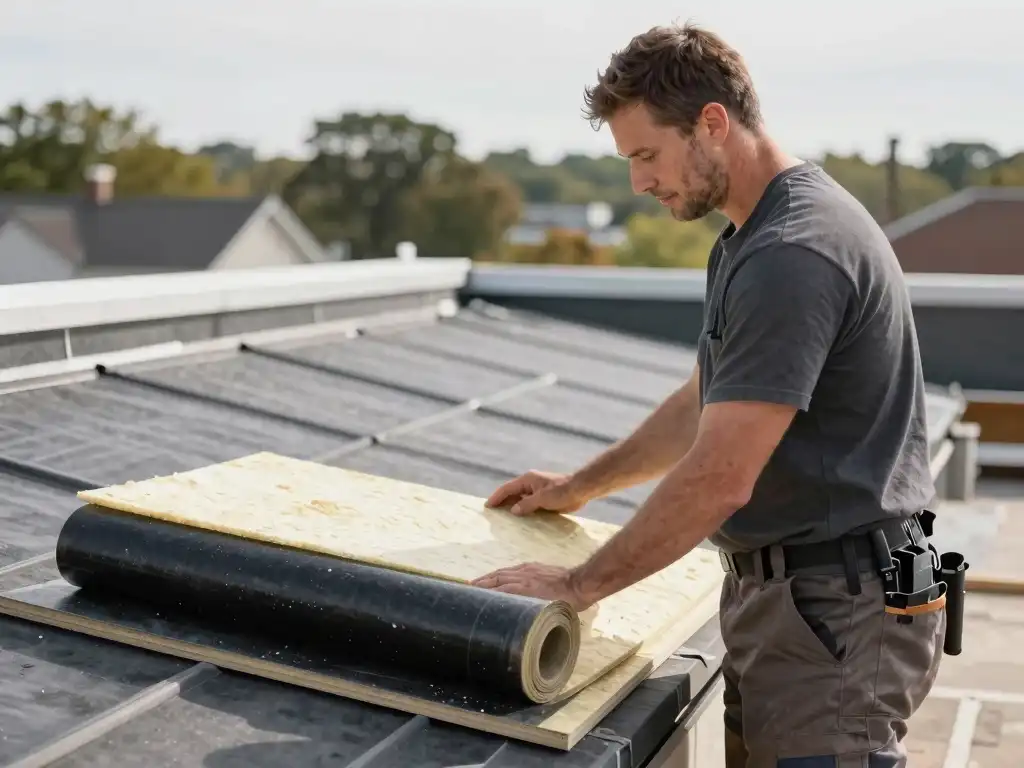
The main membrane families, TPO, PVC, EPDM, modified bitumen, and single-ply rubber, and how each one is actually put down.
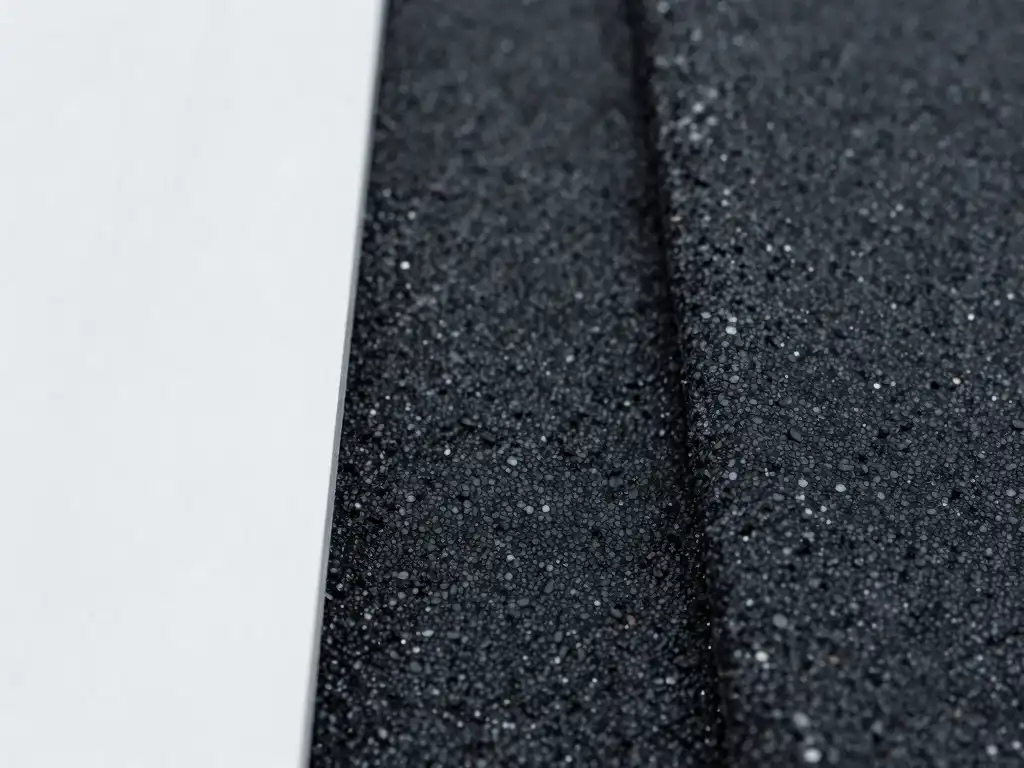
The membranes head to head: which one holds up best for your building, your budget, and your exposure to sun and weather.
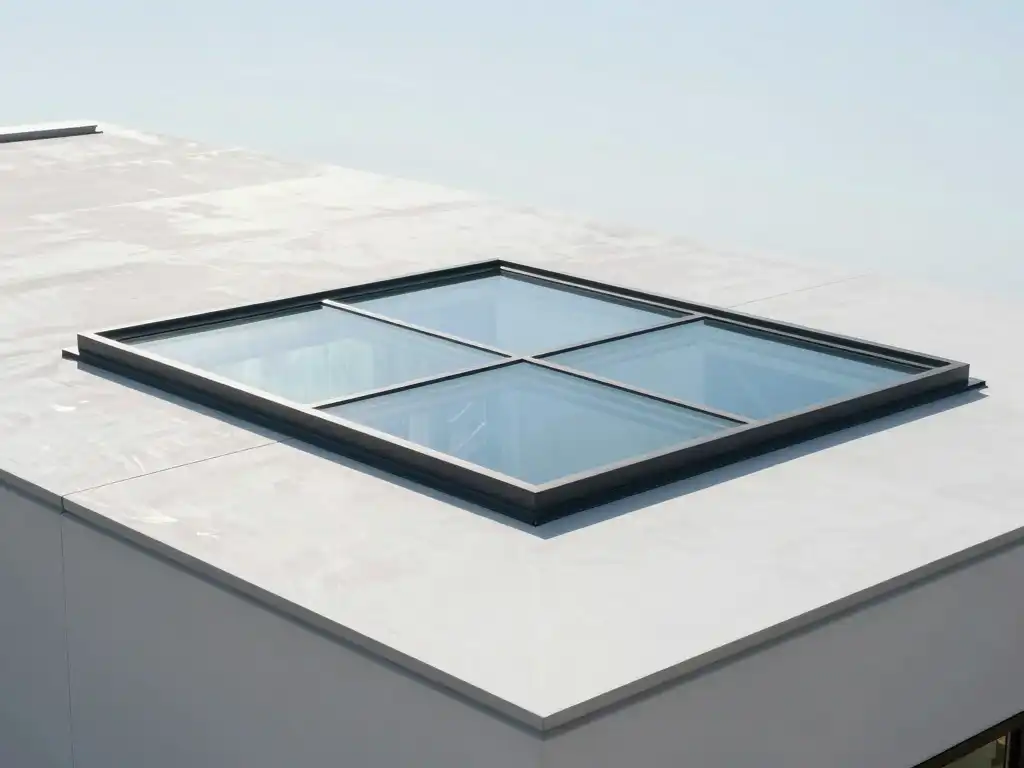
Curbs, counter-flashing, and the details that keep a skylight from becoming the first place the roof leaks.
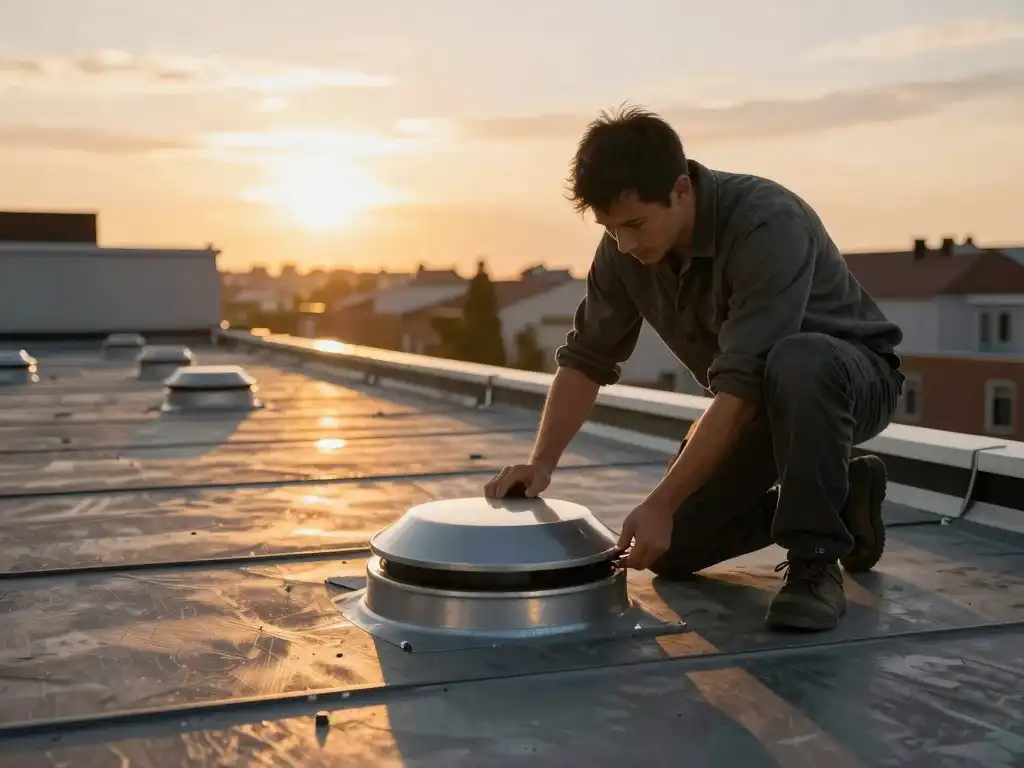
Tapered insulation, R-value, condensation control, and venting that stops moisture from building up beneath the membrane.
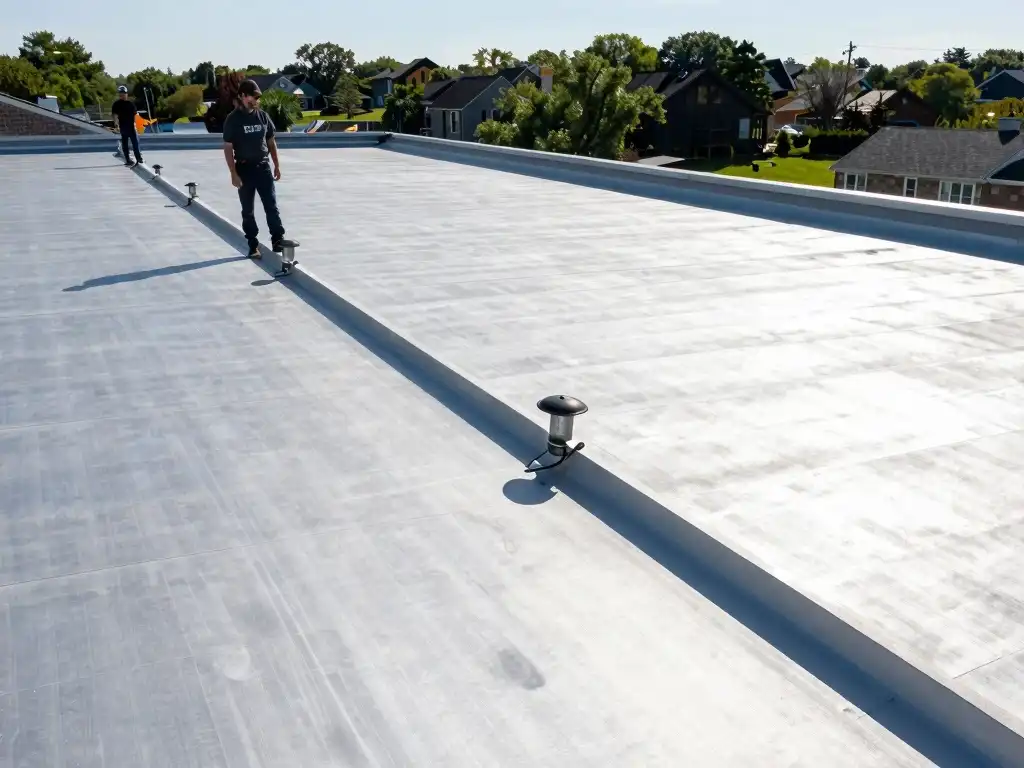
Drains, scuppers, tapered systems, and why getting water off the roof matters more than nearly anything else you can do for it.
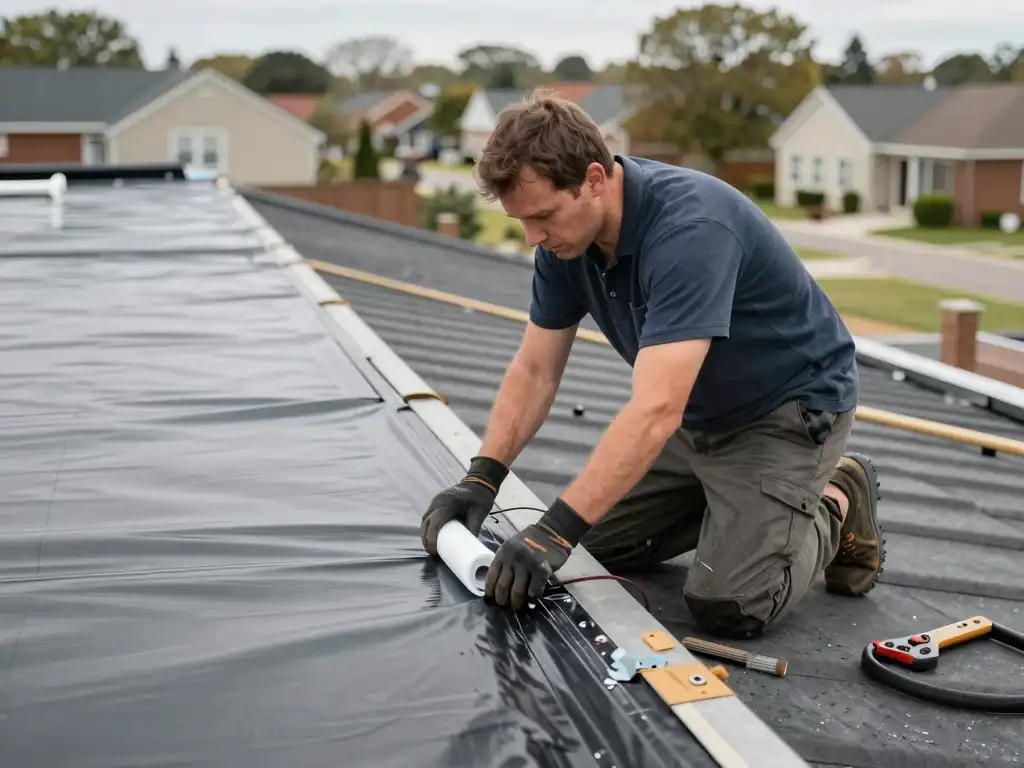
What a flat roof needs each year, and what actually carries it to the top end of its rated life instead of the bottom.
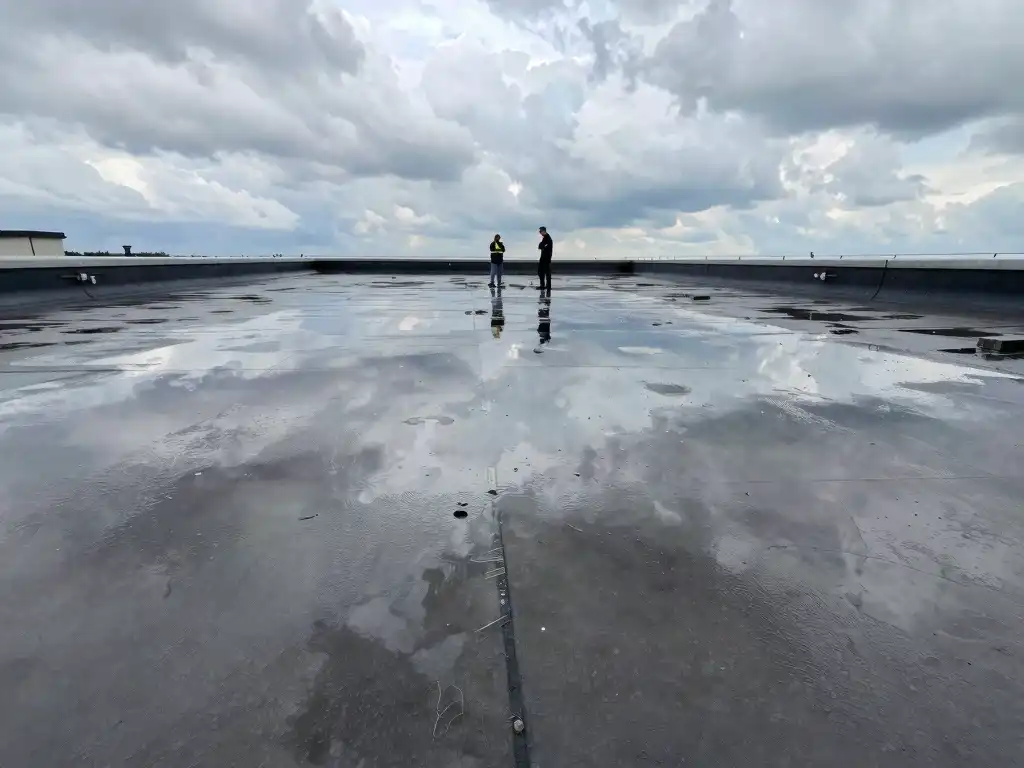
Ponding, blistering, wind uplift, and snow load, and how the coastal weather off the South Shore drives each one.
Choosing the right flat roofing material affects your property’s protection, energy costs, and maintenance needs