
That Soft Spot You’re Standing On Isn’t Normal – Here’s What It Means
That Soft Spot You’re Standing On Isn’t Normal – Here’s What It Means Imagine it’s
Home / General Flat Roofing
General contractors treat flat roofing as one of many trades. We focus exclusively on flat roof systems - delivering depth of knowledge that generalist contractors simply cannot match on any project.
EPDM roofing, TPO roofing, modified bitumen, PVC, and torch down systems are all within our crew's direct installation experience - not outsourced to unfamiliar subcontractors mid-project.
Your flat roof cost estimate reflects actual assessed conditions before work begins. Scope changes aren't introduced after commitment - what we quote is what the finished project costs.
Long Island's coastal climate, freeze cycles, and building stock are deeply familiar to our team. That local experience informs every material recommendation and installation decision we make for Suffolk County properties.
Regular preventive roof maintenance extends membrane lifespan measurably - reducing how often flat roof replacement becomes necessary and keeping emergency flat roof repair costs off property budgets for years longer.
Scheduled roof inspection services catch membrane deterioration, ponding water issues, and flashing repair failures early - before they compound into flat roof leak repair situations that cost far more to resolve.
Intact flat roofing with proper insulated flat roofing components maintains thermal performance year-round - reducing heating and cooling demands on both residential and commercial Suffolk County properties throughout each full weather cycle.
Maintained flat roofs with inspection records and roofing warranty documentation support property value - providing verifiable evidence of system condition for sales, refinancing, insurance renewals, and property management audits across Suffolk County.
That Soft Spot You’re Standing On Isn’t Normal – Here’s What It Means Imagine it’s
A Floating Deck Won’t Penetrate Your Roof – But You Still Need to Do It
Adding a Flat Roof Over Your Deck – Here’s What the Structure Actually Needs Why
Getting a Flat Roof Over Your Patio to Actually Last – Here’s What It Takes
That Flat Roof Is Baking Your Home From Above – Here’s How to Fight Back
A Flat Roof Doesn’t Have to Look Like a Design Mistake – Here’s the Proof
Turning a Flat Roof Into a Deck – Here’s What the Roof Needs Before You
Covering a Patio With a Flat Roof – How to Do It Right the First
What Makes a Flat Deck Roof Different – and When It’s Worth Building One Do
Is Rubber the Right Covering for Your Flat Roof? Here’s What the Pros Know What
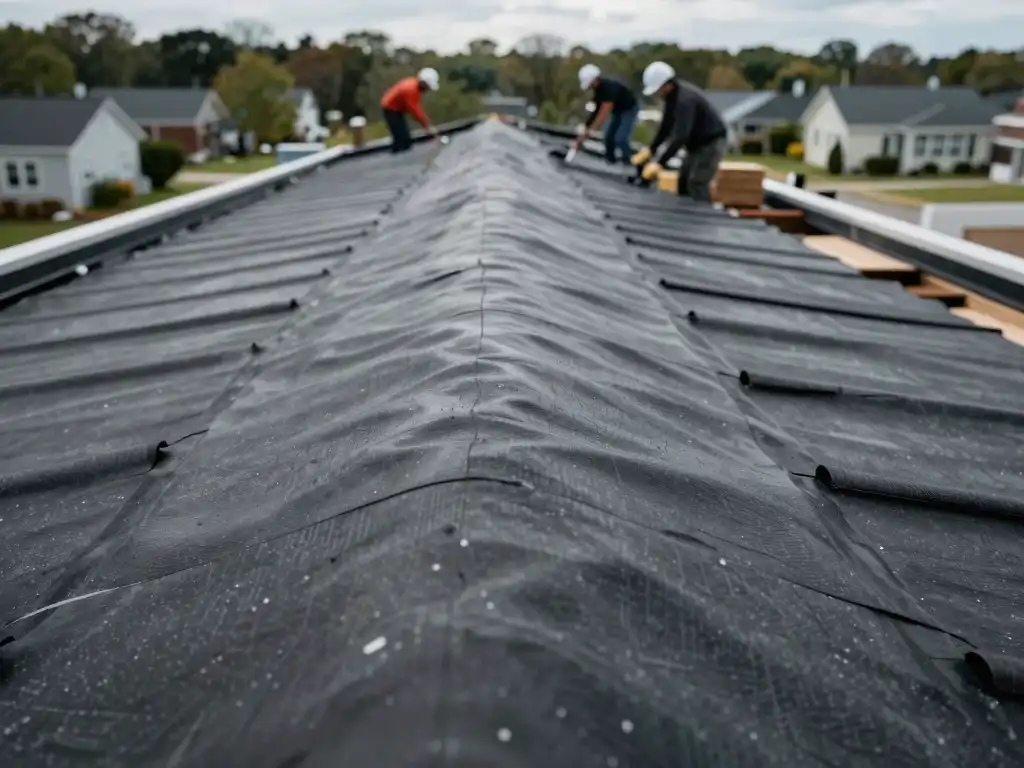
What "flat" really means, why low-slope roofs behave nothing like pitched ones, and what that changes about how they get built and looked after.
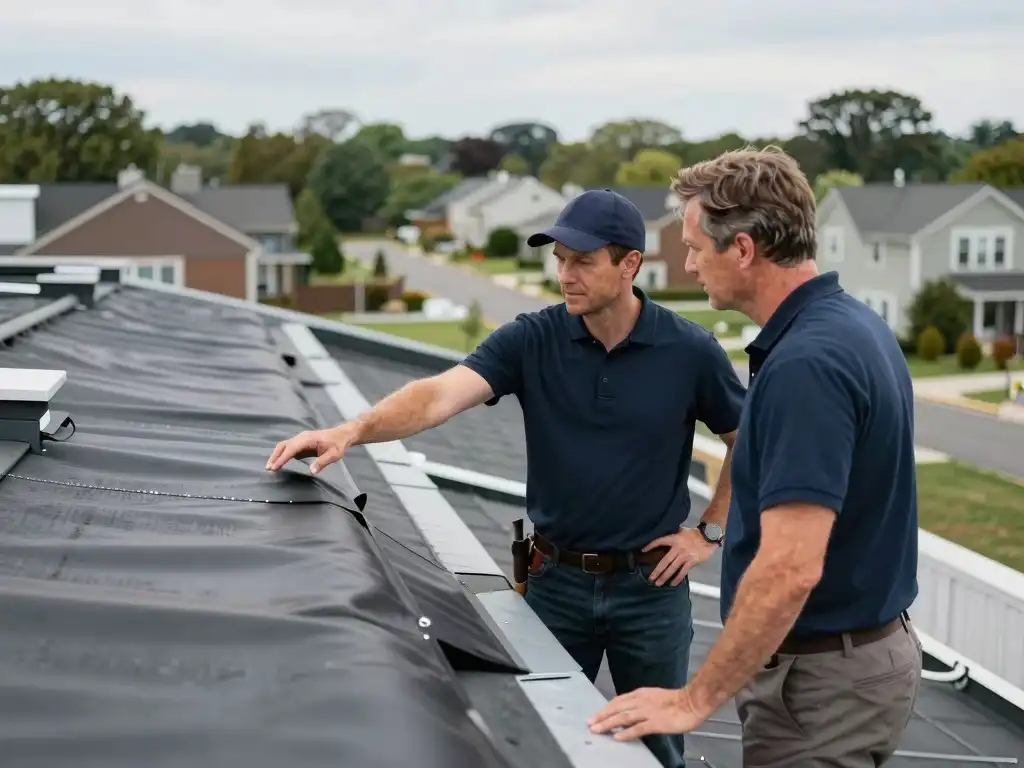
The first questions answered: rough cost ranges, how long a job takes, which permits apply, and what to expect while the work is happening.
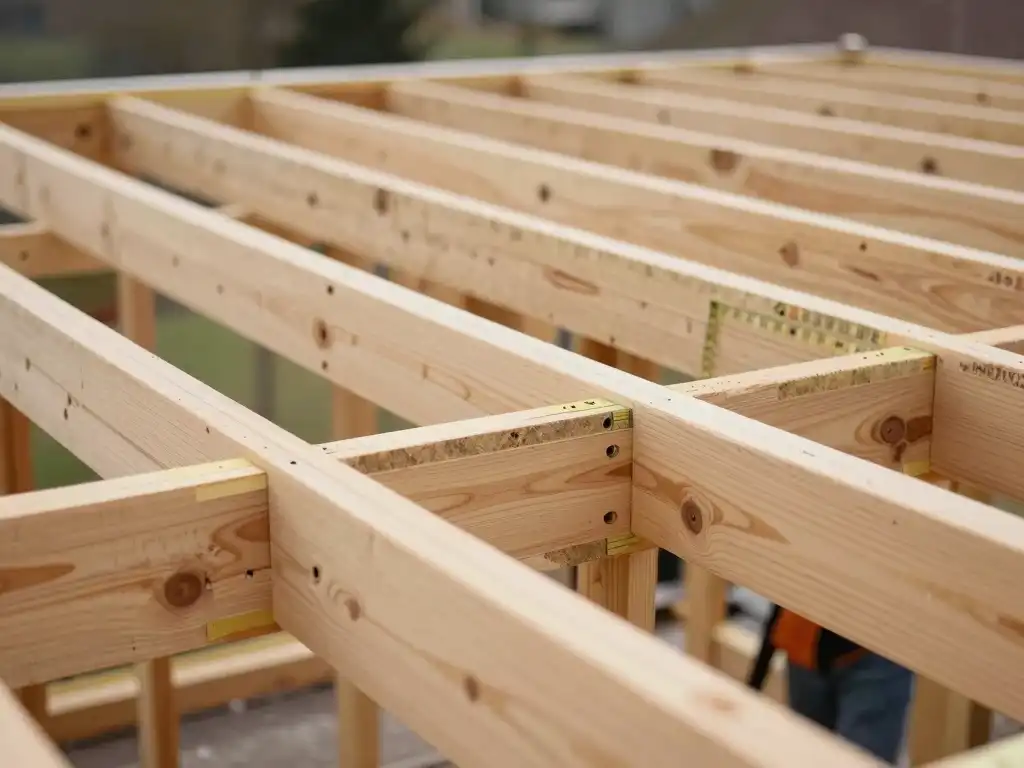
How flat roofs sit on additions, dormers, and rear extensions, and how the structure underneath carries snow, foot traffic, and rooftop equipment.
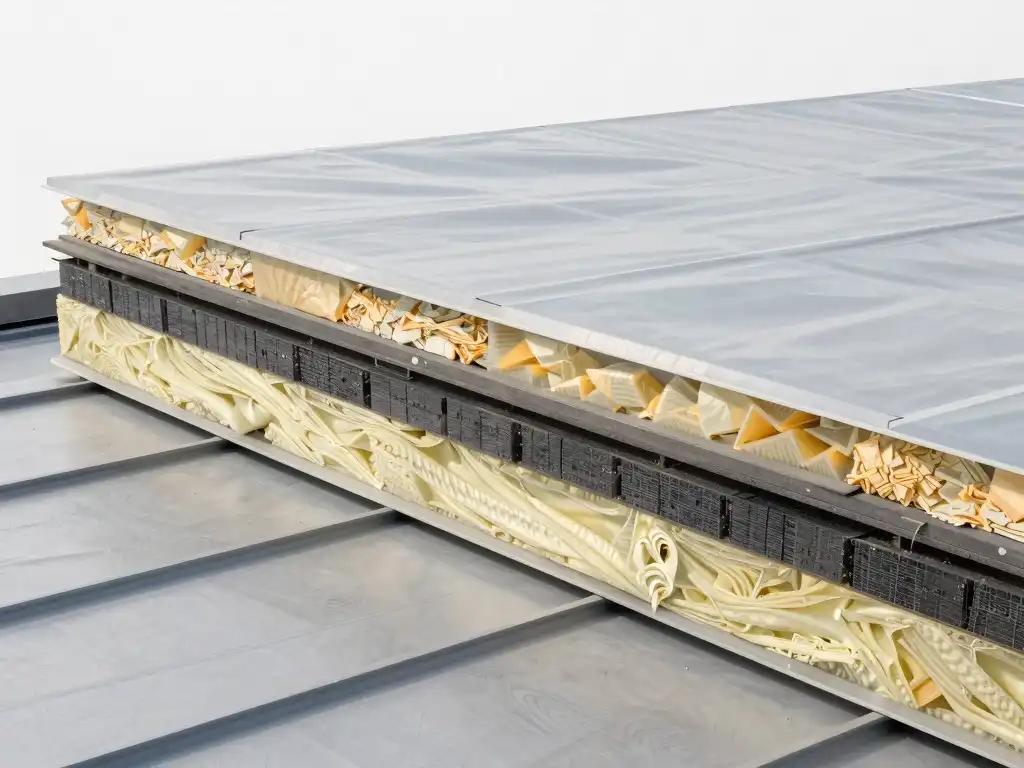
Decking, substrate, slope, fasteners, and the structural movement a membrane has to ride out without splitting.
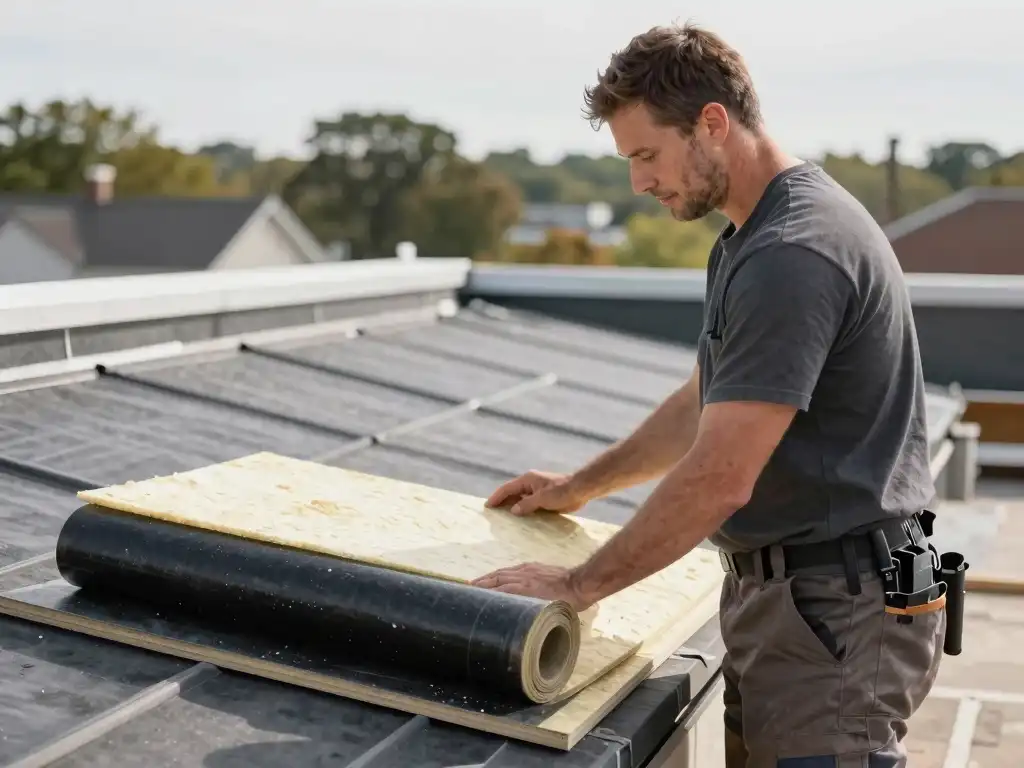
The main membrane families, TPO, PVC, EPDM, modified bitumen, and single-ply rubber, and how each one is actually put down.
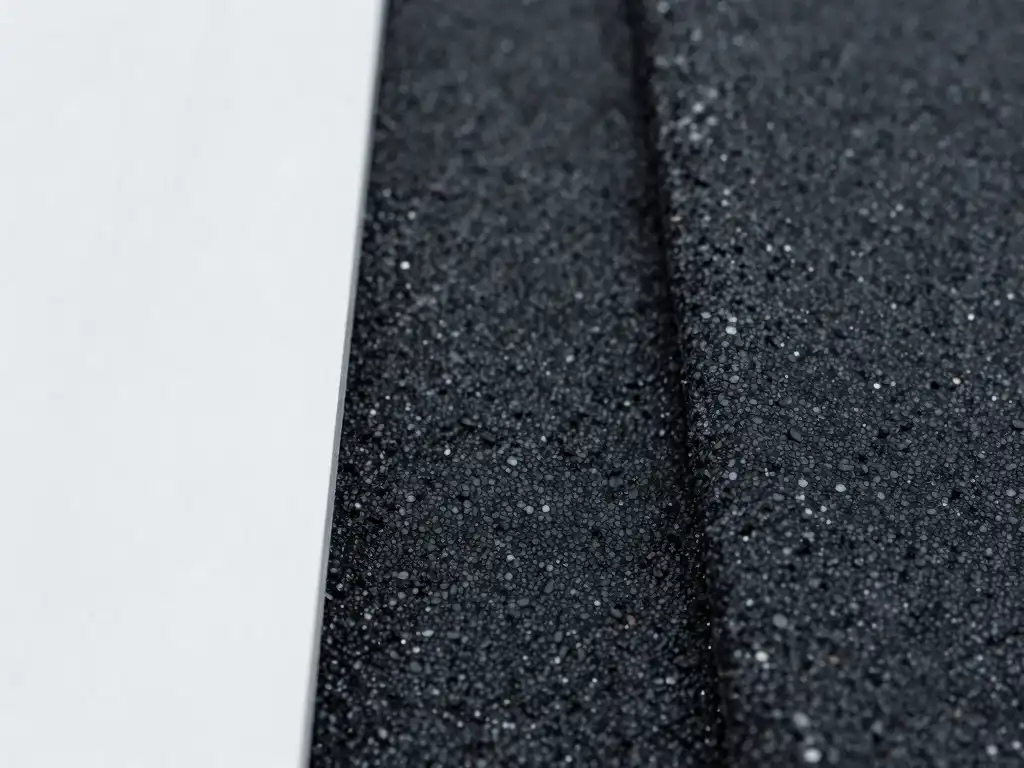
The membranes head to head: which one holds up best for your building, your budget, and your exposure to sun and weather.
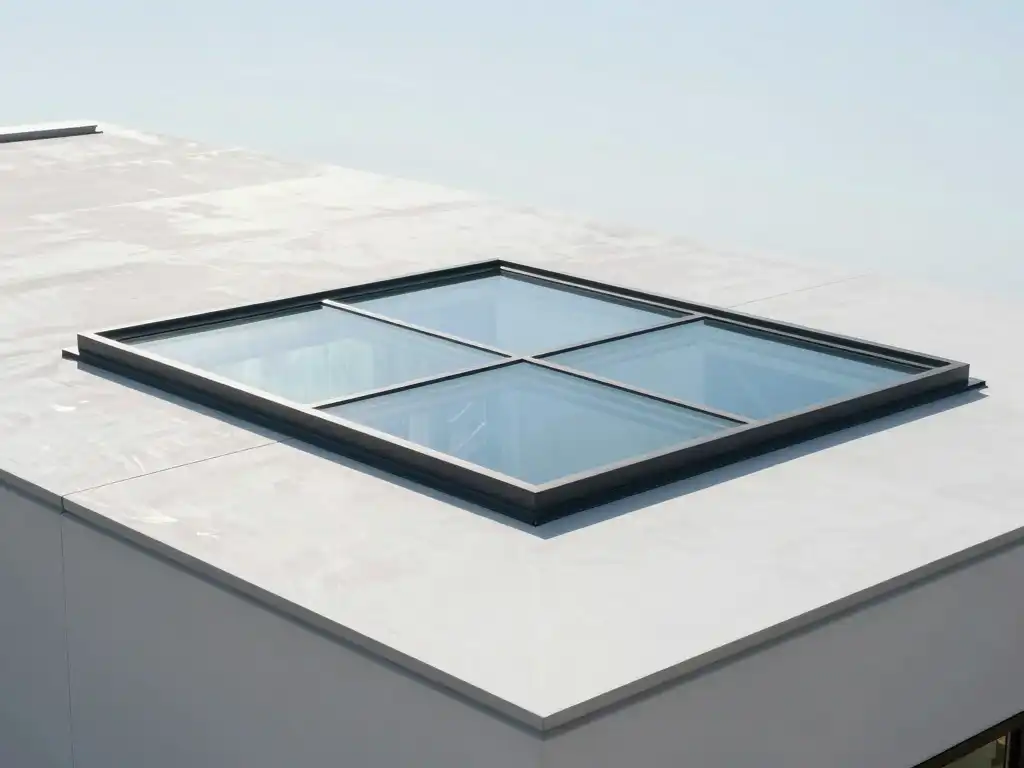
Curbs, counter-flashing, and the details that keep a skylight from becoming the first place the roof leaks.
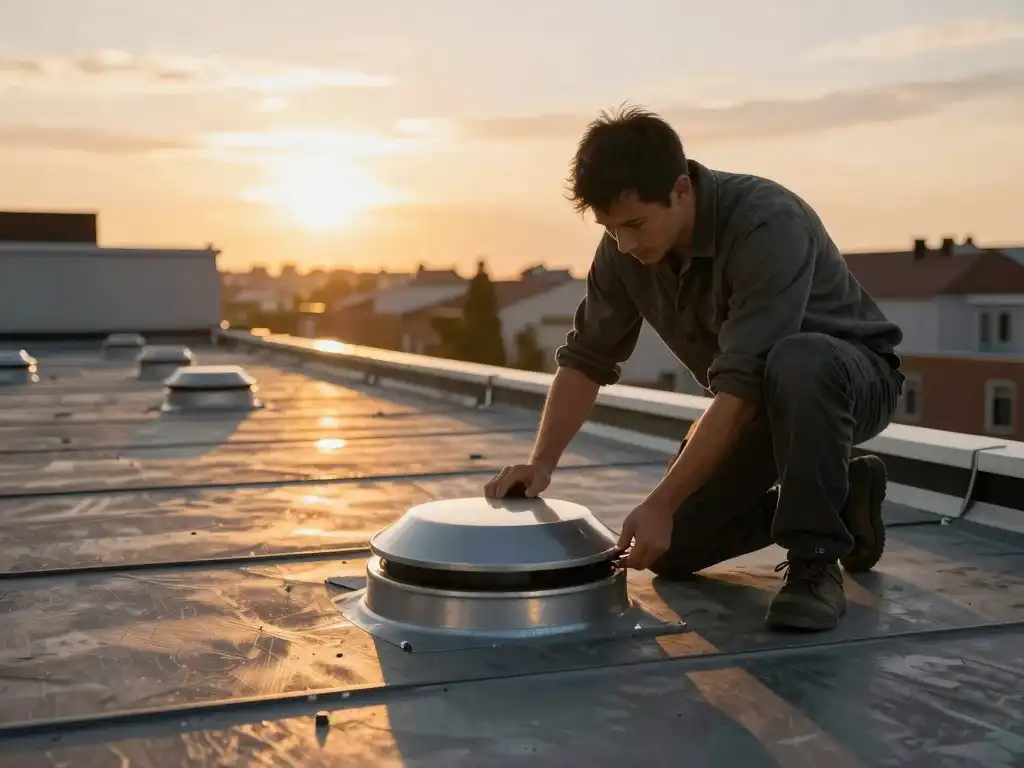
Tapered insulation, R-value, condensation control, and venting that stops moisture from building up beneath the membrane.
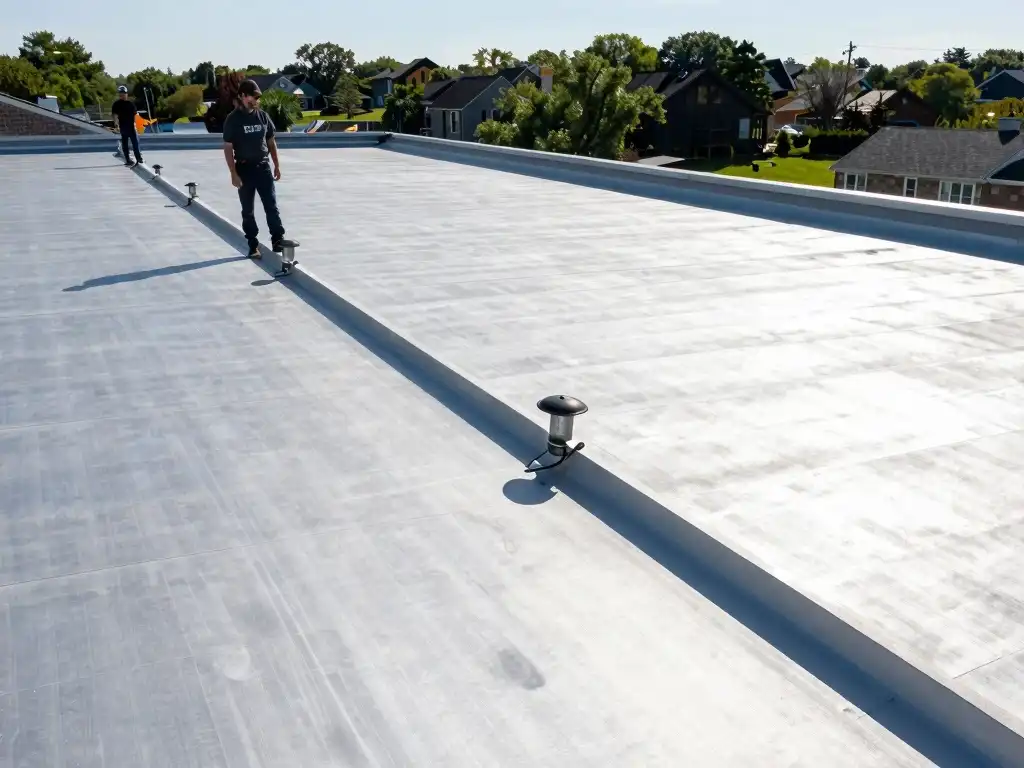
Drains, scuppers, tapered systems, and why getting water off the roof matters more than nearly anything else you can do for it.
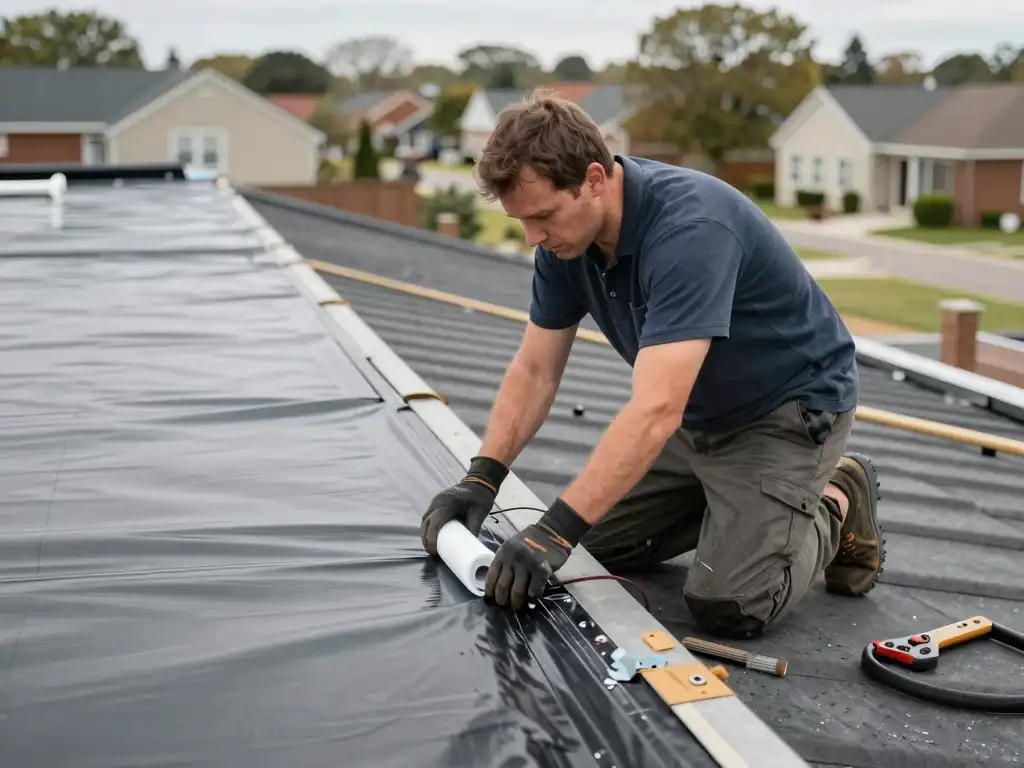
What a flat roof needs each year, and what actually carries it to the top end of its rated life instead of the bottom.
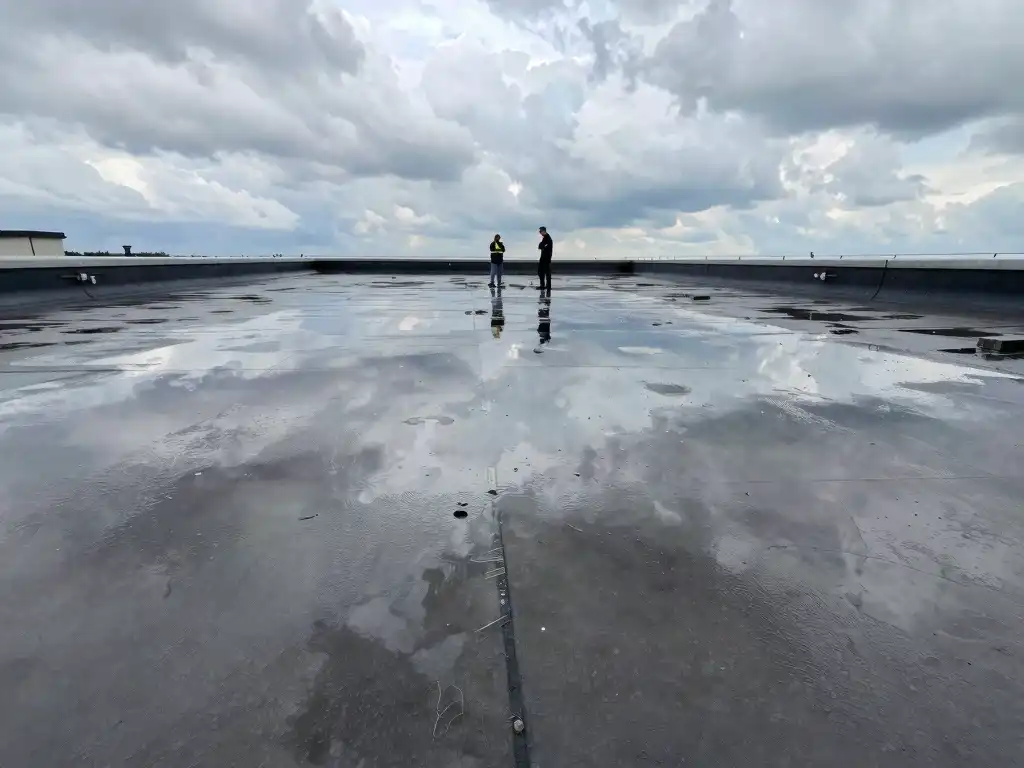
Ponding, blistering, wind uplift, and snow load, and how the coastal weather off the South Shore drives each one.