EPDM, TPO, Modified Bitumen - Which Flat Roofing Material Is Actually Right for Your Home?

Side-by-side breakdowns of the most common flat roof materials, covering cost, durability, maintenance demands, and climate suitability for Long Island.

Cutting Through Material Claims to Find the Right Membrane

Material comparisons in flat roofing are frequently shaped by manufacturer marketing rather than real-world performance data – and that creates a gap between what property owners think they’re choosing and what those membranes actually deliver under Long Island’s specific conditions. EPDM rubber roofing performs differently under repeated freeze-thaw cycles than it does in a southern climate. TPO roofing’s heat-welded seams that perform well on a flat commercial surface in Hauppauge may be more vulnerable to wind uplift on an exposed coastal installation near West Islip or Bay Shore where seam stress is higher. These nuances matter when the goal is a flat roof that performs for its full expected lifespan rather than a flat roof that passed the first few winters before requiring unexpected flat roof repair.
Accurate material comparison requires looking at four key performance axes: waterproofing reliability and flat roof waterproofing durability across Long Island’s precipitation and temperature range; thermal performance of insulated flat roofing assemblies in heating and cooling seasons; structural compatibility with the building’s deck type and load capacity; and total cost of ownership across installation, preventive roof maintenance, and eventual flat roof replacement timelines. Comparing on price alone consistently produces the worst long-term outcomes.
Our certified roofers present material comparisons in straightforward terms – matching each system’s real performance profile to the property’s actual conditions and giving Suffolk County owners the flat roof cost estimate information they need to make a decision that serves the building, not just the budget line on the initial project invoice.

Performance Factors That Actually Matter When Choosing a Flat Roof

When comparing flat roofing materials for a Suffolk County property, the factors that actually determine long-term satisfaction are membrane flexibility in sub-freezing temperatures (critical for EPDM and modified bitumen roofing as Long Island winters stress adhesive bonds and seams significantly), seam performance under wind uplift and UV exposure (the primary long-term advantage of heat-welded TPO roofing and PVC roofing over lapped and bonded systems), chemical resistance for food service and restaurant flat roofing applications (where PVC roofing’s resistance to grease and cleaning chemicals outperforms both EPDM and standard TPO roofing significantly), and total cost of ownership across the membrane’s full service cycle rather than initial installation cost alone – because a built up roofing system or modified bitumen system that costs more upfront but requires minimal flat roof leak repair intervention over 25 years often delivers lower total cost than a budget single ply roofing system that generates repeated emergency flat roof repair calls through its lifespan.
Our material comparison process documents all of these factors for each Suffolk County property we assess, ensuring every roofing warranty recommendation and material specification is grounded in performance reality rather than cost-driven assumptions.

Excel Flat Roofing

Consider Your Flat Roof Material Options With Expert Guidance

Our team provides honest, comparison-based flat roof cost estimates – presenting material options specific to your property’s structure and climate exposure so you make the right decision, not just the cheapest one. Request a free roofing quote today.

Why Choose Us

Informed Material Choices Start With an Honest Comparison

Every flat roofing material has genuine strengths and real limitations. Excel Flat Roofing lays out those trade-offs clearly – so Suffolk County property owners choose systems based on performance reality, not marketing claims or contractor convenience.

Unbiased Recommendations Regardless of Material Margin

Our material recommendations follow building conditions and performance requirements - not profit margins on specific products. If rubber roofing outperforms modified bitumen roofing on your structure, that's exactly what we tell you.

Long-Term Cost Comparisons, Not Just Installation Price

Upfront flat roof cost estimate figures don't tell the full story. We present lifecycle cost comparisons - factoring in preventive roof maintenance frequency, expected repair rates, and replacement intervals across each system type.

Application Method Differences Explained for Every System

Torch down roofing, mechanically fastened single ply roofing, and fully adhered membrane systems each behave differently on specific decks. Understanding application method differences helps property owners evaluate proposals from any flat roof contractors accurately.

Performance Track Record From Local Suffolk County Projects

Comparing materials in theory is one thing - comparing them based on observed performance across actual Suffolk County flat roofing projects is far more useful when making a final system selection.

Choosing the Right Flat Roofing Material Means Knowing the Trade-Offs First

Every flat roofing system Excel Flat Roofing installs across Suffolk County comes with strengths worth understanding and limitations worth knowing before the decision is made. Here’s an honest breakdown of the three most common single ply roofing options we install.
TPO Roofing
Pros and Cons
EPDM Roofing
Pros and Cons
PVC Roofing
Pros and Cons

Tangible Gains From Making Well-Informed Material Decisions Upfront

Material decisions made with full information produce better outcomes across every performance dimension. These are the advantages Suffolk County property owners experience when their flat roofing material is selected through a rigorous comparison process rather than a default recommendation.

Longer Time Between Major Roofing Projects

Correctly specified flat roofing materials reach their rated service life rather than failing early - extending replacement intervals and reducing the frequency of major roofing investments on Suffolk County residential and commercial properties.

Reduced Surprise Costs Throughout the System's Life

Material that's matched to actual climate conditions and building use generates fewer unexpected flat roof repair calls, less emergency roof services spending, and more predictable preventive roof maintenance costs across the ownership period.

Better Contractor Accountability Through Documented Material

Written material specifications in the project scope hold contractors accountable to installing what was quoted - not a substitute product. Specification documentation also protects roofing warranty eligibility from the first day of installation.

Improved Energy and Thermal Performance Across Seasons

Selecting the right insulated flat roofing assembly and reflective membrane option for your climate zone delivers measurable thermal and energy performance improvements that standard default material selections rarely account for at project time.

EPDM, TPO, and Modified Bitumen Compared for Long Island Properties

Side-by-side comparisons of every major flat roofing material – covering cost, lifespan, climate performance, and best-use applications for Suffolk County properties – to help owners make confident, well-supported material decisions.

Roofing Guide

Plain-Language Flat Roofing Guides Built for Long Island Property Owners

Covering materials, drainage, climate damage, maintenance schedules, and system comparisons – every guide in this section is written specifically for Suffolk County property owners making real flat roofing decisions on real Long Island buildings.
General flat roofing services in Suffolk County New York by Excel Flat Roofing

General Flat Roofing

Everything homeowners and building owners need to understand about flat roofing systems, materials, and long-term performance in Suffolk County.

Professional flat roofing contractor information in Suffolk County NY

General Info

New to flat roofing? Start here - clear, straightforward answers covering how these systems work and what to expect.

Residential roof extension construction in Suffolk County New York

Structures & Extensions

Flat roofing isn't one-size-fits-all. Learn how different building structures and extensions affect system selection, installation, and performance.

Flat roofing technical services and analysis in Suffolk County NY

Technical & Structural

Deck conditions, load requirements, and substrate compatibility - the technical side of flat roofing explained in plain, practical language.

Professional flat roofing materials used in Suffolk County New York

Materials & Systems

EPDM, TPO, PVC, modified bitumen, and built-up roofing compared - helping you choose the right system for your property.

Professional comparison of flat roofing systems in Suffolk County New York

Materials & Comparisons

Side-by-side breakdowns of the most common flat roof materials, covering cost, durability, maintenance demands, and climate suitability for Long Island.

Suffolk County NY home with newly installed skylights

Skylights & Windows

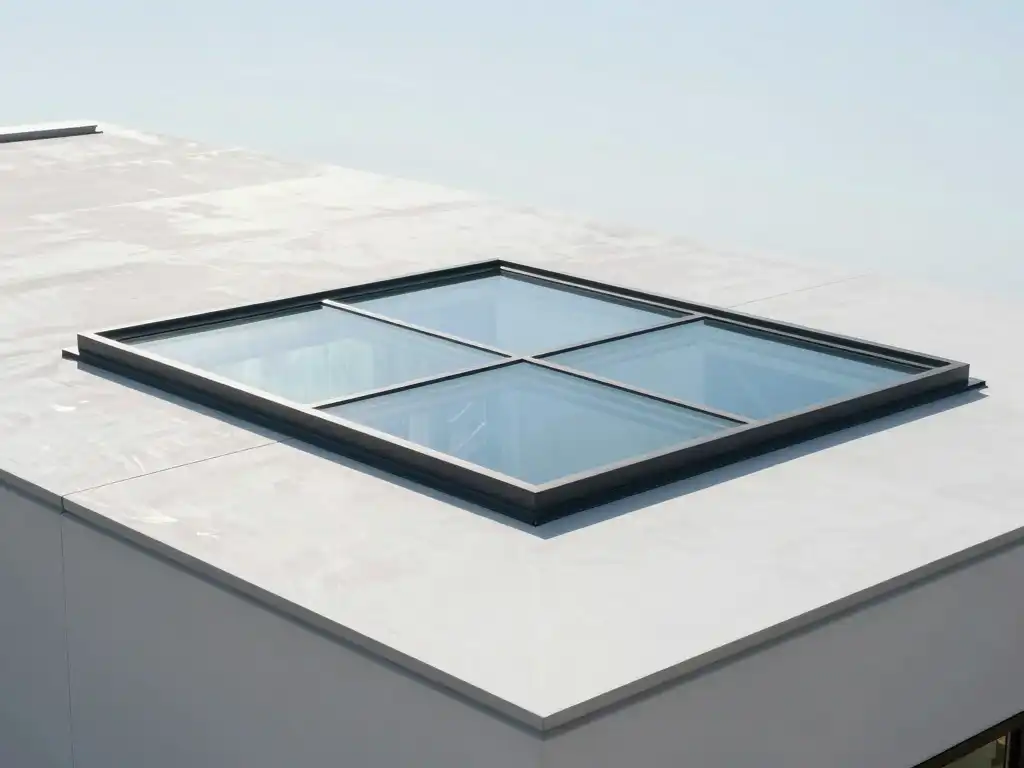
Adding a skylight to a flat roof changes everything about waterproofing and flashing. Here's what proper skylight installation actually involves.

Excel Flat Roofing installing roof insulation in Suffolk County NY home

Ventilation & Insulation

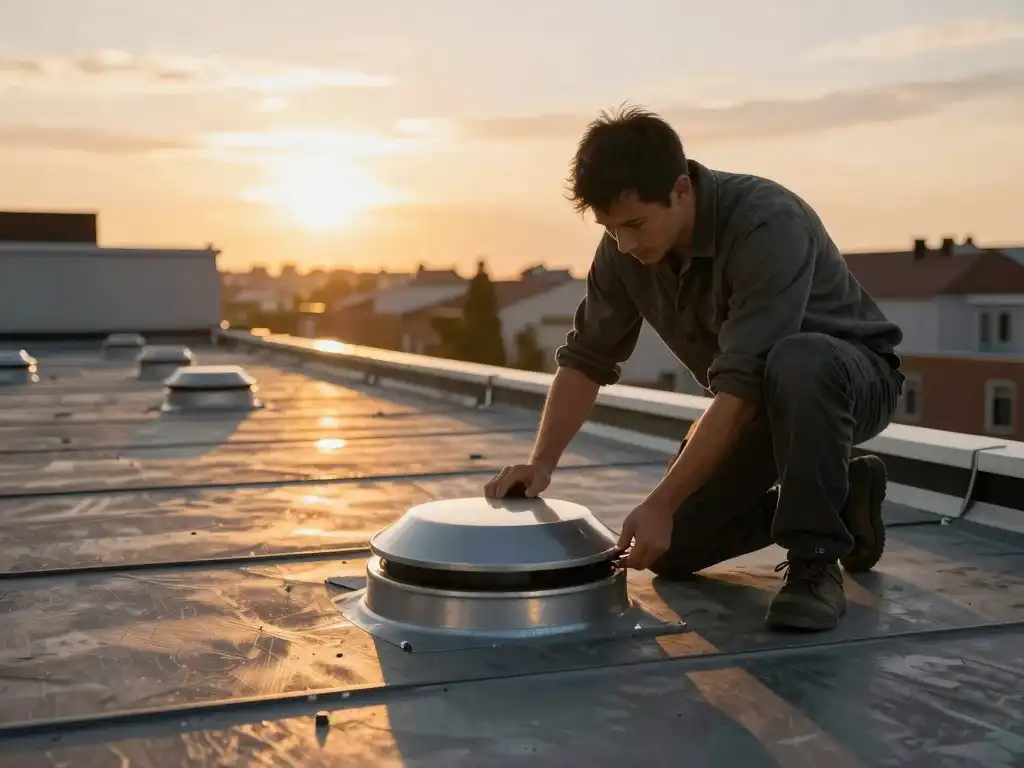
Poor roof ventilation and inadequate insulation drive up energy costs and shorten system lifespan - understand what your flat roof actually needs.

Flat roof drainage and slope system in Suffolk County New York

Drainage & Slope

Ponding water is flat roofing's biggest enemy. Discover how proper roof drainage solutions and slope design protect your building long-term.

Flat roof maintenance service in Suffolk County New York

Maintenance & Lifespan

Preventive roof maintenance extends the life of any flat roofing system - learn what to schedule, inspect, and never overlook.

Suffolk County NY flat roof affected by heavy rain and climate exposure

Problems & Climate

Storm damage, snow load, freeze-thaw cycles, and leaks - how Suffolk County's climate specifically affects flat roofing and what to watch for.

Testimonial

Owners Describe Which Flat Roof Material Worked Best

Suffolk County homeowners and commercial property managers share which flat roofing material system they chose, why they chose it, and how that material has performed since installation across Long Island’s climate.

Frequently Asked Questions

Head-to-Head Flat Roofing Material Questions Answered

What's the most cost-effective flat roofing material for a residential property?
EPDM rubber roofing delivers the best value-to-lifespan ratio for most residential flat roofing applications in Suffolk County – lower installation cost than TPO or PVC, good flexibility in cold temperatures, and 20+ year service life with regular preventive roof maintenance. Modified bitumen roofing is the next most common residential choice, particularly for torch down roofing applications where a more robust membrane is warranted for the specific structure or exposure conditions.
TPO roofing outperforms EPDM in energy efficiency – its reflective surface reduces cooling loads noticeably on commercial flat roofing Suffolk County buildings. TPO’s heat-welded seams also provide stronger long-term seam integrity than EPDM’s adhesive-bonded laps. EPDM rubber roofing performs better in extreme cold and is less prone to thermal expansion-related stress cracking in coastal exposure conditions. Both systems are sound choices – the preferred option depends on whether energy performance or cold-weather flexibility is the higher priority for the specific building.
PVC roofing’s premium is well justified for restaurant flat roofing, food service facilities, and buildings with significant chemical drainage exposure – because no other flat roofing membrane handles those conditions as reliably. For standard commercial flat roofing Suffolk County applications without chemical exposure, the cost premium over TPO roofing typically doesn’t produce proportional performance advantages. For most office building roofing and retail store roofing projects, TPO delivers a better cost-to-performance balance than PVC.
Modified bitumen roofing outperforms single ply roofing in conditions where membrane thickness, puncture resistance, and multi-layer redundancy are priorities. Apartment building roofing with regular rooftop traffic, warehouse roofing with heavy equipment movement, and industrial flat roofing projects where the rooftop surface must withstand sustained physical stress are all applications where modified bitumen’s added thickness justifies its installation complexity. Single ply roofing is more economical and sufficient for low-traffic commercial and residential applications.
Material selection directly affects both manufacturer warranty terms and workmanship warranty scope. Each flat roofing membrane system carries different manufacturer warranty options – TPO roofing and PVC roofing systems often offer longer manufacturer-backed roofing warranty periods than EPDM rubber roofing when installed to specification. Workmanship warranty terms from our licensed roofing contractors apply consistently across all systems, but material selection determines the total warranty package a property owner receives at project close.
Schedule Your Free Roof Inspection
Get expert assessment and transparent pricing – no obligation, no pressure