
Sunroom Flat Roof Extension – How to Design One That Stays Comfortable Through Every Season
Sunroom Flat Roof Extension – How to Design One That Stays Comfortable Through Every Season
Home / Structures & Extensions
Deck type, load capacity, and structural dimensions are evaluated before a single membrane option is discussed. That sequencing prevents misspecified systems from being installed on buildings they weren't designed to serve.
Small additions and residential flat roofing extensions receive the same assessment precision as large commercial projects. Scope size doesn't determine the standard of workmanship or technical accuracy we apply.
Scupper placement, roof drain positioning, and slope corrections are calculated for each building individually. Generic drainage layouts applied across different structure types produce the ponding water problems we're regularly called to fix.
Industrial flat roofing and warehouse roofing projects involve load requirements, access hatches, equipment penetrations, and specific membrane durability thresholds. Our commercial crews handle those specifications with direct, documented experience behind every decision.
A flat roof that looks intact on the surface can still be carrying structural vulnerabilities underneath. Moisture infiltration, age-related material fatigue, storm damage, and flat roof snow load stress all compromise the structural integrity of a roof assembly over time – often without obvious warning signs visible from below. Excel Flat Roofing addresses these conditions directly across Suffolk County commercial flat roofing and residential flat roofing properties before they progress into full replacement territory.
Saturated or deteriorating roof decking is the most common structural issue our licensed roofing contractors uncover during roof inspection services assessments. Damaged deck sections are cut out, replaced with matching material, and properly fastened before any new membrane system goes down - giving the installation a sound substrate that holds for the long term.
Waterlogged insulation loses its R-value and adds dead load to the roof structure simultaneously. Our certified roofers remove and replace compromised insulated flat roofing layers - restoring thermal performance and eliminating the moisture retention that accelerates deck deterioration directly beneath the membrane.
Parapet walls that have shifted, cracked, or separated from the roof assembly compromise edge integrity across the entire system. Coping cap installation is reset with properly sealed, fully secured units - closing the gap between the wall top and the roofing system where water and wind consistently find entry.
Penetration openings for skylight installation flat roof applications and roof hatch installation require reinforced framing around the perimeter - preventing long-term deflection and membrane stress concentration that leads to chronic flat roof leak repair situations at those specific locations.
Improperly supported scupper installation and roof drain repair zones create concentrated load points and chronic water retention. Our bonded roofing contractors rebuild and reinforce these drainage components so water exits the roof surface efficiently without pooling or backing up against the membrane perimeter.
Lifted, buckled, or separating flashing repair along roof edges and penetrations allows wind and water to work underneath the membrane assembly. Our top rated roofers resecure and reseal all edge metal and flashing zones - restoring the continuous perimeter seal the roof structure depends on through every season of Long Island weather.
Applying the correct membrane system to a specific structure type prevents the early failures that result from under-specified materials on commercial buildings or over-engineered systems on simple residential extensions.
Every flat roofing structure has unique drainage needs based on its dimensions and slope. Roof drainage solutions and ponding water repair considerations are built into the specification from the initial design stage.
Flat roof snow load, equipment weight, and foot traffic all vary by structure type. We factor those load conditions into every membrane and insulation recommendation before any installation scope is finalized.
Roofing warranty terms are issued relative to the specific system and structure involved - giving property owners relevant, enforceable coverage rather than generic documentation that doesn't reflect what was actually installed.
Sunroom Flat Roof Extension – How to Design One That Stays Comfortable Through Every Season
Single Storey Flat Roof Extension – What the Build Involves and What to Plan For
Single Flat Roof Garage – What to Build It With and What Goes Wrong When
Single Flat Roof Carport – What a Well-Built One Looks Like and What to Avoid
Side Return Flat Roof Extension – How This Specific Build Works and Why It’s So
Side Flat Roof Extension – What the Build Involves and What Makes the Difference Inside
Rear Flat Roof Extension – How to Design and Build One That Enhances the Whole
Prefab Flat Roof Garage – What You Get, What You Compromise On, and Whether It’s
Flat Roof Extension With a Parapet – How the Design Changes Everything About the Waterproofing
Turning a Flat Roof Into a Garden – What the Structure Has to Handle Before
Garden Rooms With Flat Roofs – Why the Roof Is the Detail That Determines Everything
Flat Roof Garage With a Usable Deck on Top – Getting Both Elements Right Most
Front Flat Roof Extension – How to Make It Look Like It Was Always Meant
Screened Porch With a Flat Roof – Getting the Structure and Weatherproofing Right for This
Flat Roof Porch Extension – Getting Covered Outdoor Space Without a Full Build Project Whether
Loft Extension With a Flat Roof – What This Specific Build Demands From the Structure
Flat Roof Extension – How to Get the Design, Structure, and Waterproofing All Right Why
Flat Roof Carport With a Deck on Top – Getting the Parking and the Outdoor
Building a Balcony on a Flat Roof – Where the Structural and Safety Requirements Get
Flat Dormer – What It Is, How It’s Built, and When It’s the Right Addition
Double Storey Flat Roof Extension – Where the Structural Demands Get Very Serious Until you’ve
Double Flat Roof Garage – What Changes When the Span Gets Wider Why a wider
Double Flat Roof Carport – What Changes When You Cover Two Cars Instead of One
Flat Roof Carport on a Budget – What’s Possible Without Cutting Corners That Matter Let’s
Brick Flat Roof Extension – Making the Materials Work Together Inside and Out Go find
What’s the Best Covering for a Flat Roof Balcony? This Surface Gets Harder Use Than
Converting a Flat Roof Into a Balcony – What the Structure and Waterproofing Both Need
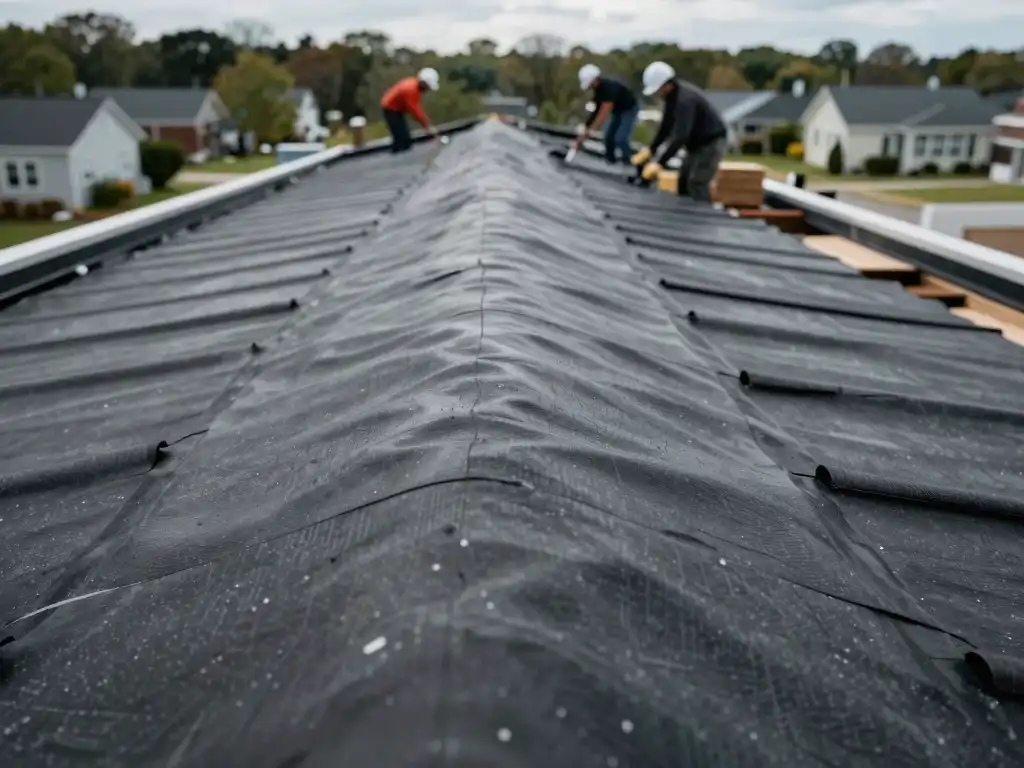
What "flat" really means, why low-slope roofs behave nothing like pitched ones, and what that changes about how they get built and looked after.
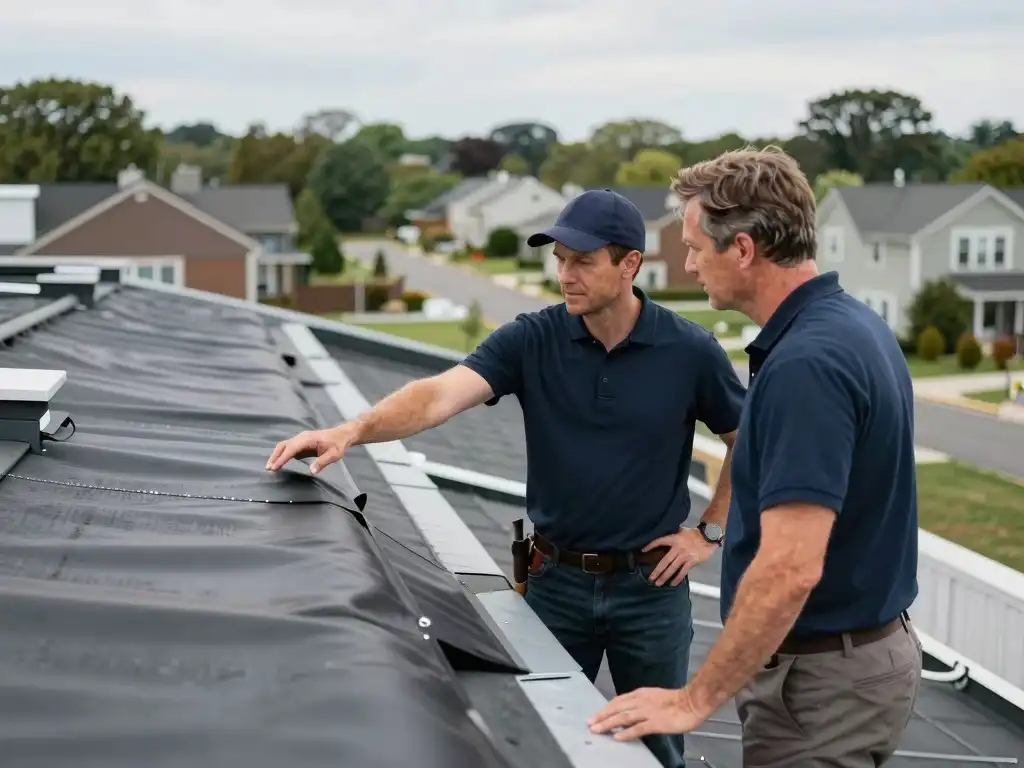
The first questions answered: rough cost ranges, how long a job takes, which permits apply, and what to expect while the work is happening.
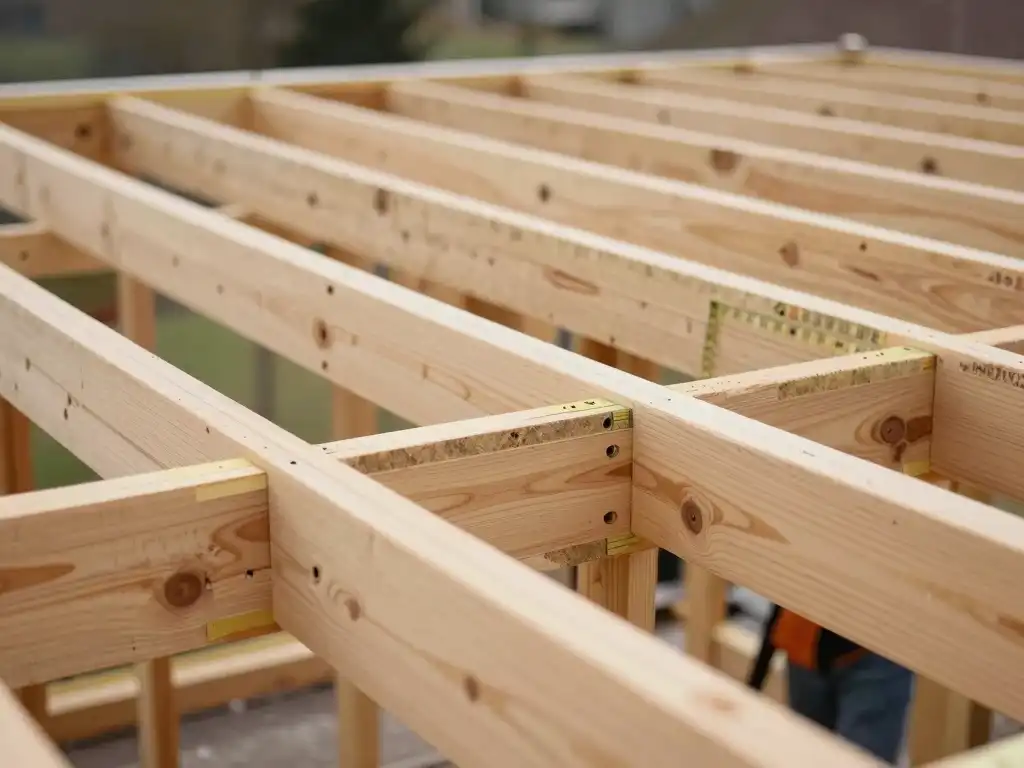
How flat roofs sit on additions, dormers, and rear extensions, and how the structure underneath carries snow, foot traffic, and rooftop equipment.
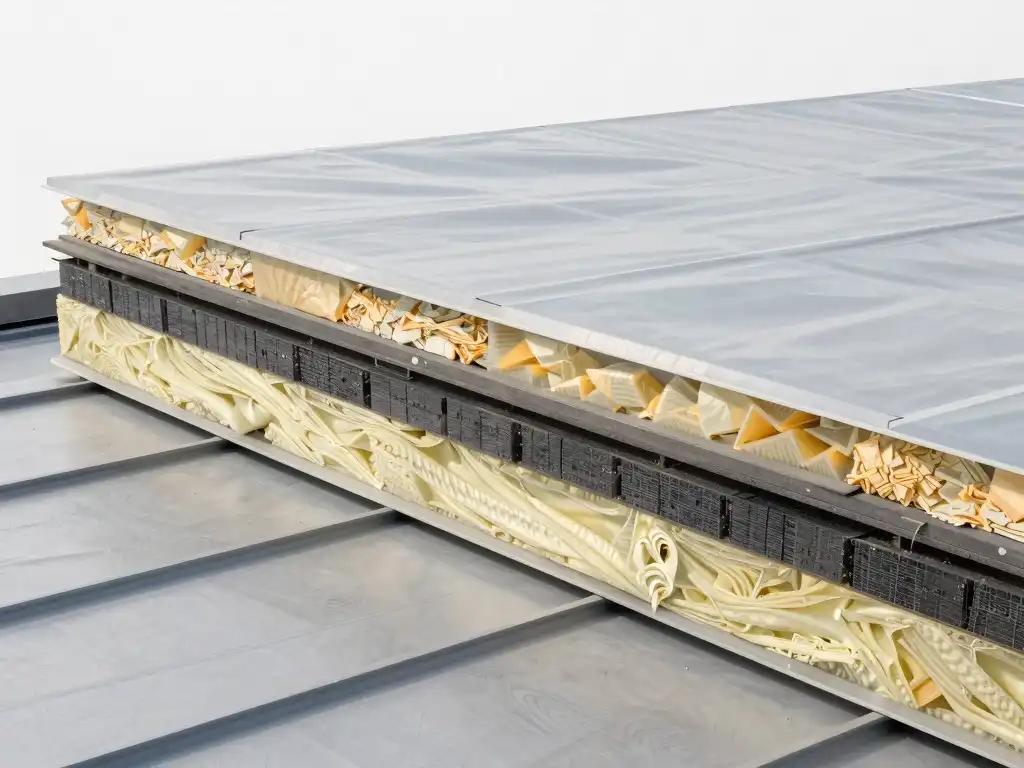
Decking, substrate, slope, fasteners, and the structural movement a membrane has to ride out without splitting.
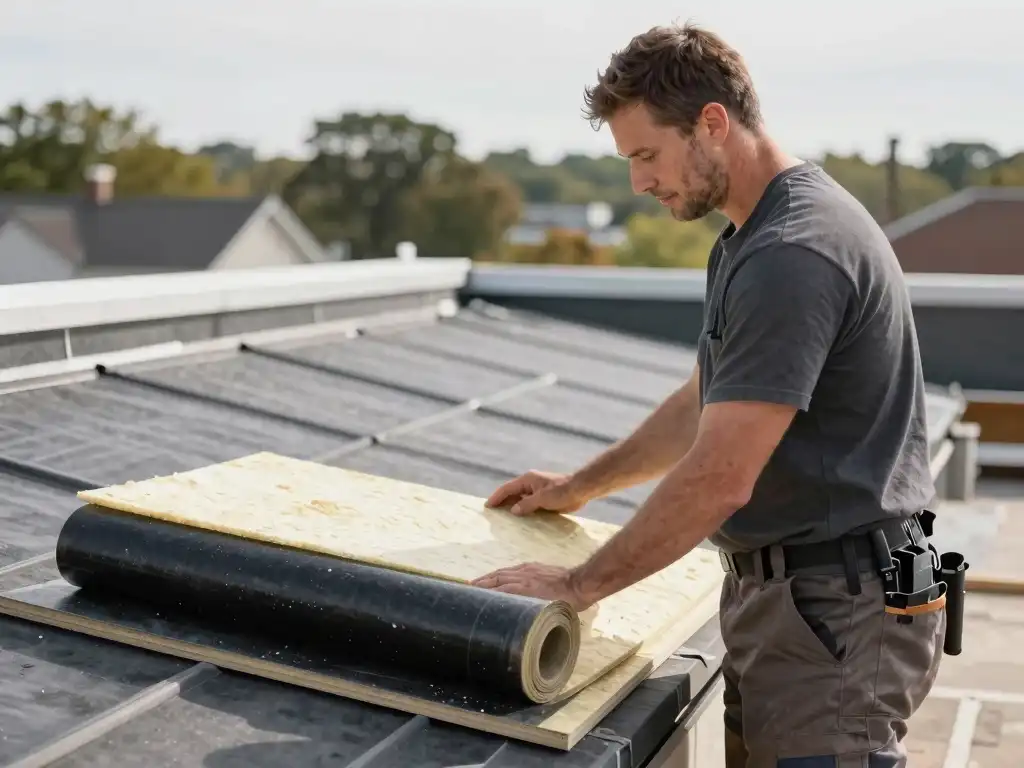
The main membrane families, TPO, PVC, EPDM, modified bitumen, and single-ply rubber, and how each one is actually put down.
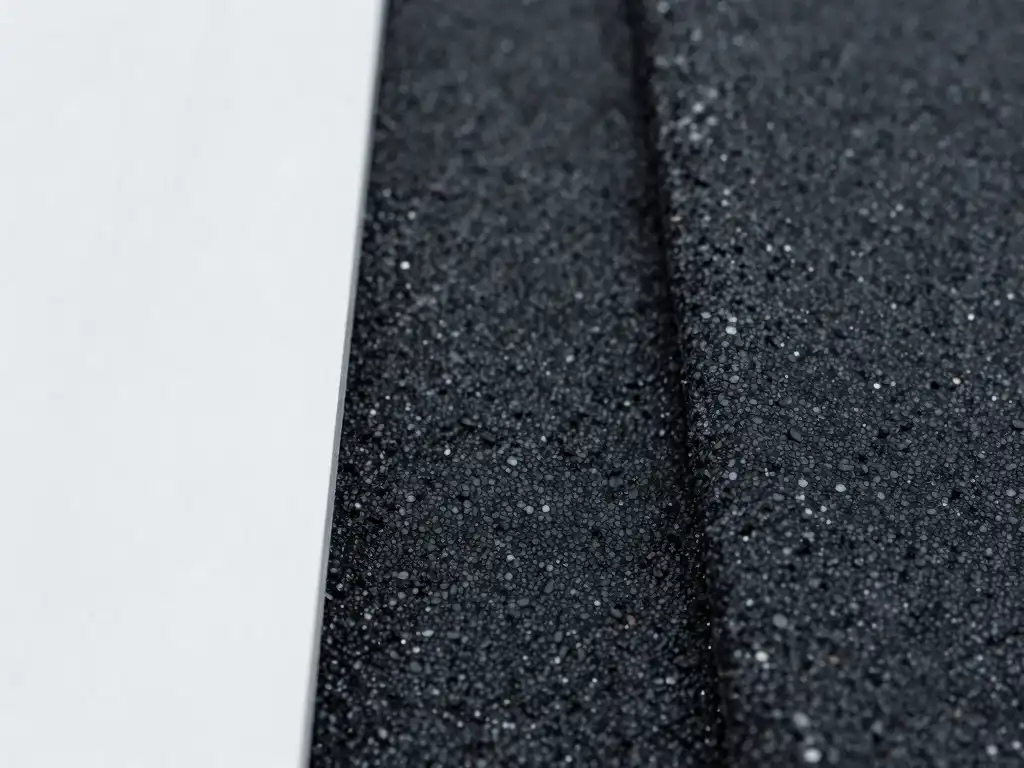
The membranes head to head: which one holds up best for your building, your budget, and your exposure to sun and weather.
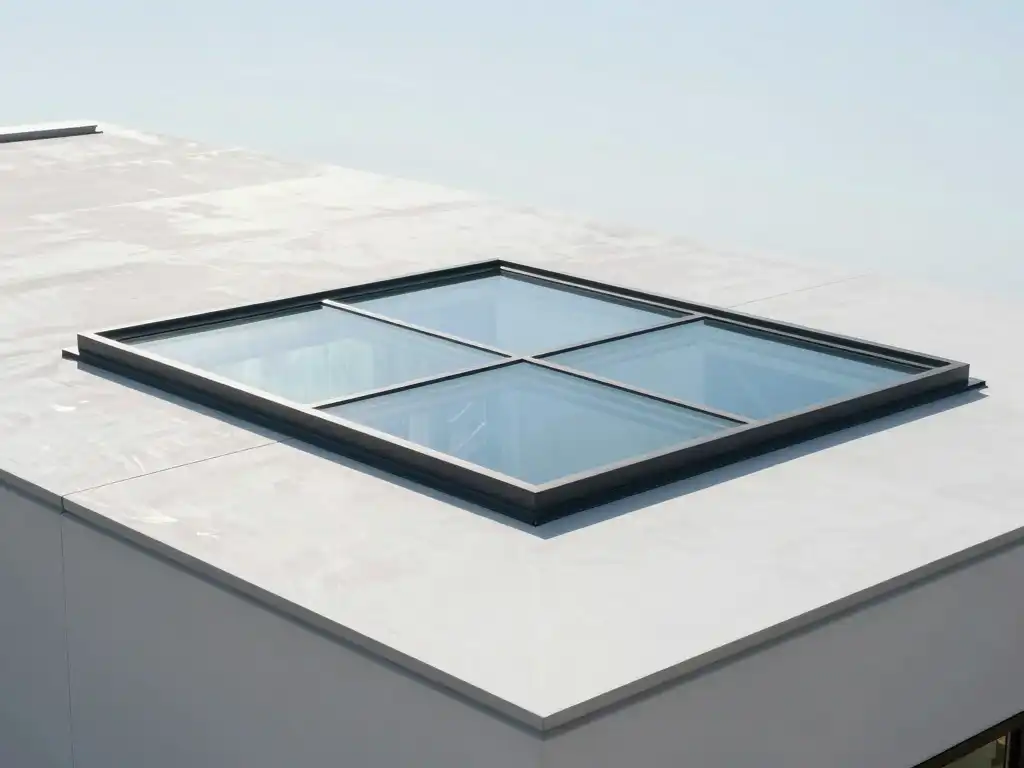
Curbs, counter-flashing, and the details that keep a skylight from becoming the first place the roof leaks.
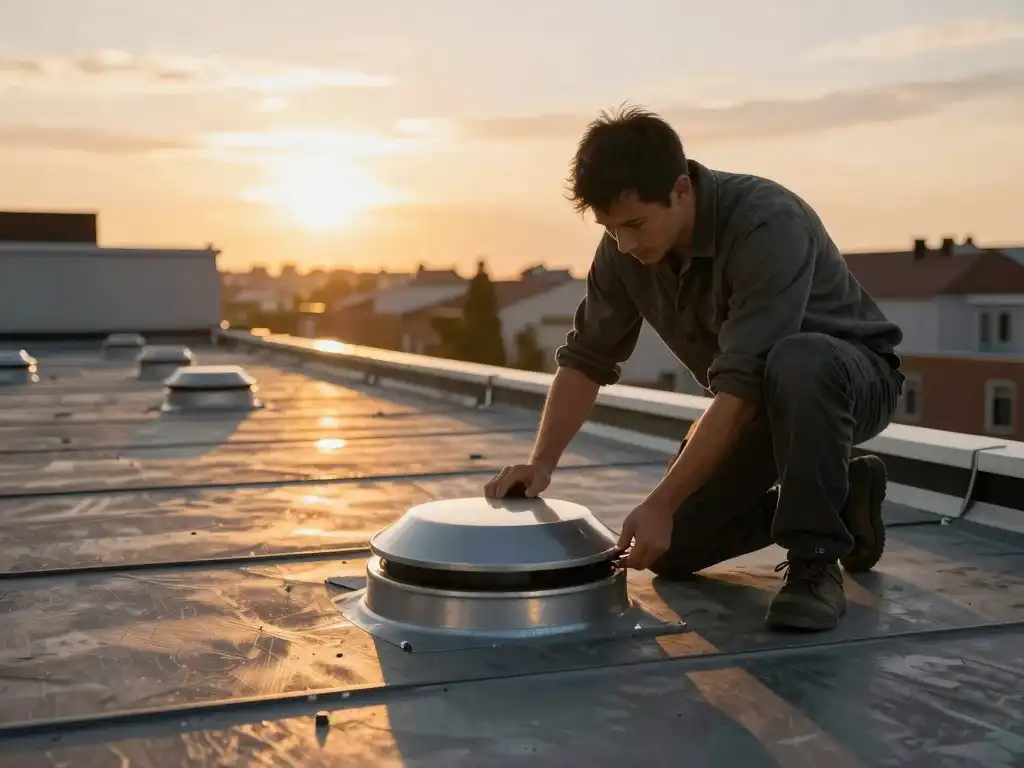
Tapered insulation, R-value, condensation control, and venting that stops moisture from building up beneath the membrane.
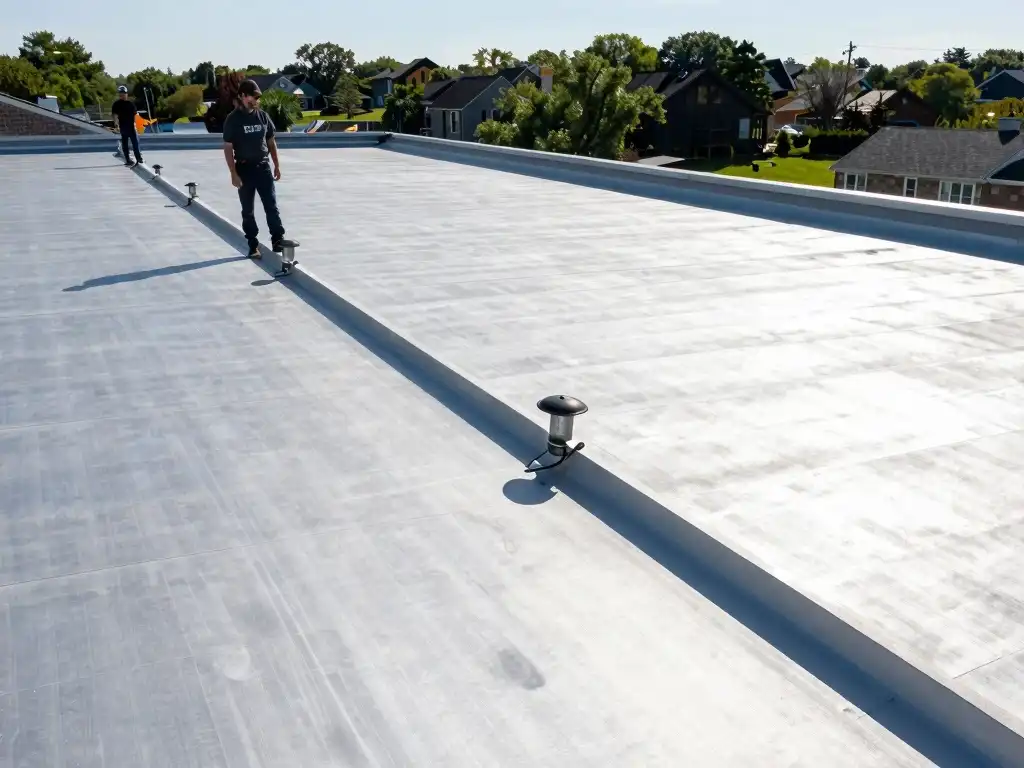
Drains, scuppers, tapered systems, and why getting water off the roof matters more than nearly anything else you can do for it.
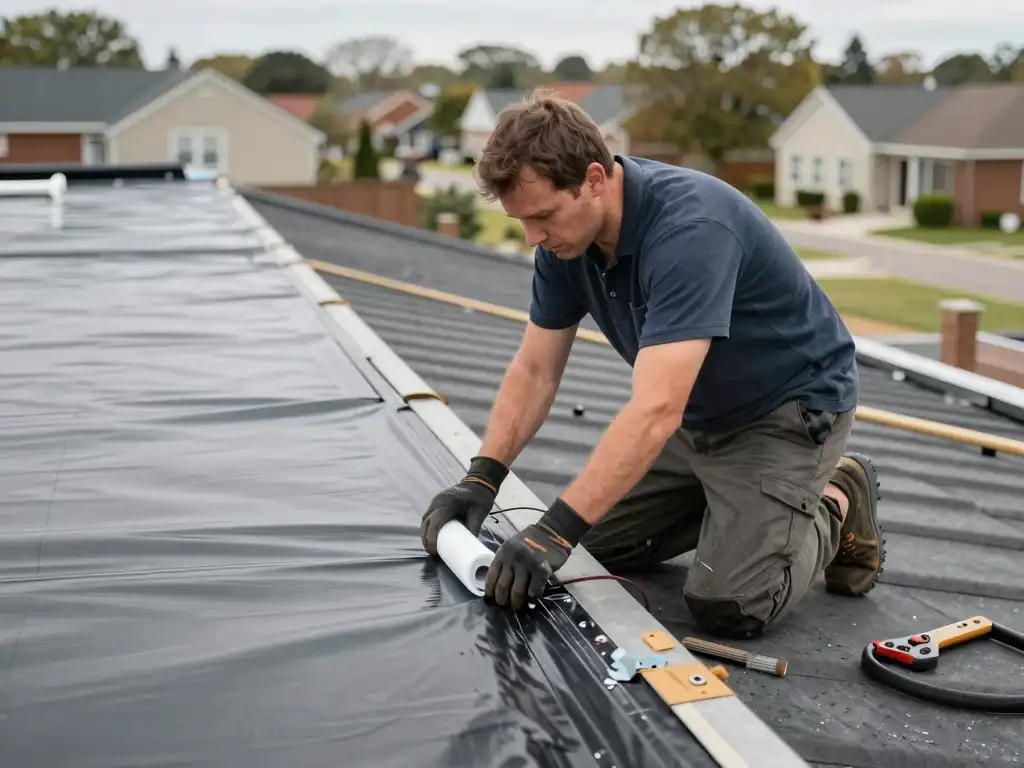
What a flat roof needs each year, and what actually carries it to the top end of its rated life instead of the bottom.
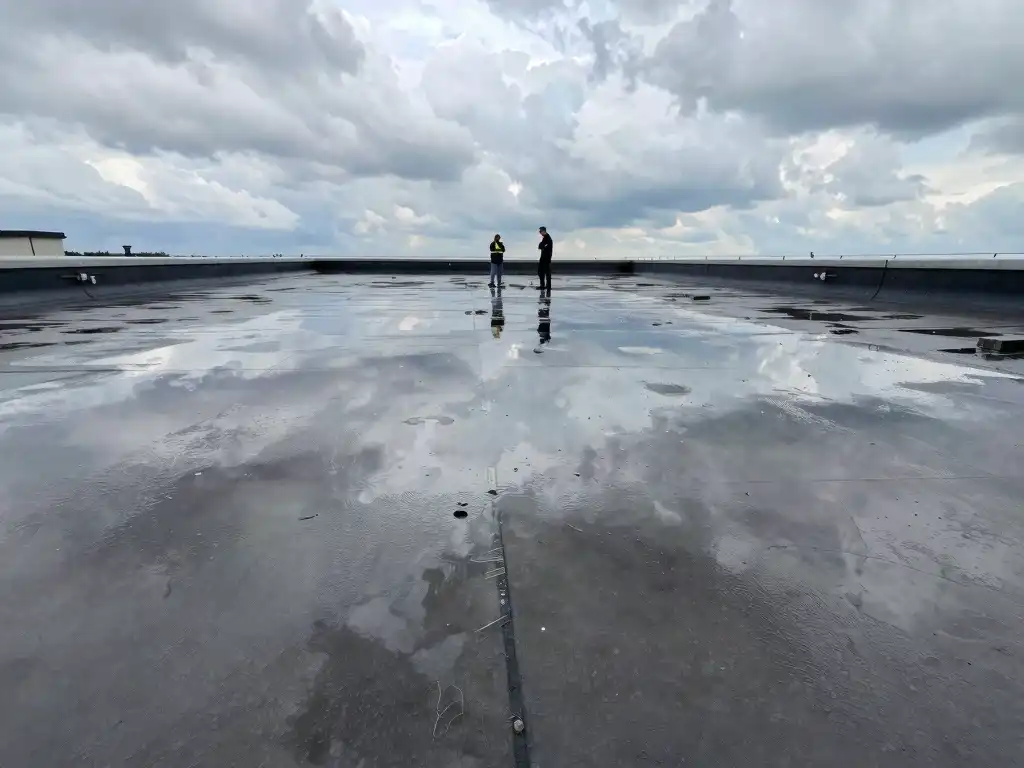
Ponding, blistering, wind uplift, and snow load, and how the coastal weather off the South Shore drives each one.