
Skylights in a Kitchen Flat Roof – How to Get the Light Right Without the Heat
Skylights in a Kitchen Flat Roof – How to Get the Light Right Without the
Home / Skylights & Windows
Undersized curbs allow water infiltration during heavy rain and flat roof snow load events. Every skylight installation flat roof curb we build meets manufacturer minimum height specifications - protecting the penetration perimeter permanently.
Skylight flashing repair failures stem from treating the flashing as separate from the surrounding membrane system. We integrate both as one continuous waterproof assembly - eliminating the seam vulnerability that causes most skylight leaks.
Cutting into an existing flat roof requires precise technique to avoid compromising the surrounding membrane. Our installation process minimizes disruption area and fully restores waterproofing integrity around every new skylight opening.
Office building roofing and retail store roofing skylight installations involve occupied spaces below. We schedule cutting, installation, and waterproofing phases to minimize interior disruption - keeping your business operational throughout the entire project.
Correctly installed skylights introduce natural light without creating the flat roof leak repair problems that result from poor curb construction, inadequate flashing integration, or incompatible sealant products applied at the penetration edges.
Skylights on commercial flat roofing structures in Suffolk County reduce daytime artificial lighting demand measurably - delivering ongoing energy cost savings on office building roofing and retail store roofing projects where natural light replaces artificial.
Every flat roof skylight installation is covered under our roofing warranty - workmanship on the curb, flashing repair integration, and surrounding membrane disruption all documented and backed from the day of completion.
Well-executed skylight installation flat roof work adds demonstrable value to residential and commercial properties alike - particularly when the installation includes documented waterproofing standards that give future buyers or tenants confidence in its long-term performance.
Skylights in a Kitchen Flat Roof – How to Get the Light Right Without the
Flat Roof Lanterns – The Feature That Changes What a Room Feels Like From Inside
Glass Flat Roof Extension – Spectacular When Done Right, Uncomfortable When It Isn’t At some
Flat Roof Skylights – Every Option, What Each One Does, and How to Choose Why
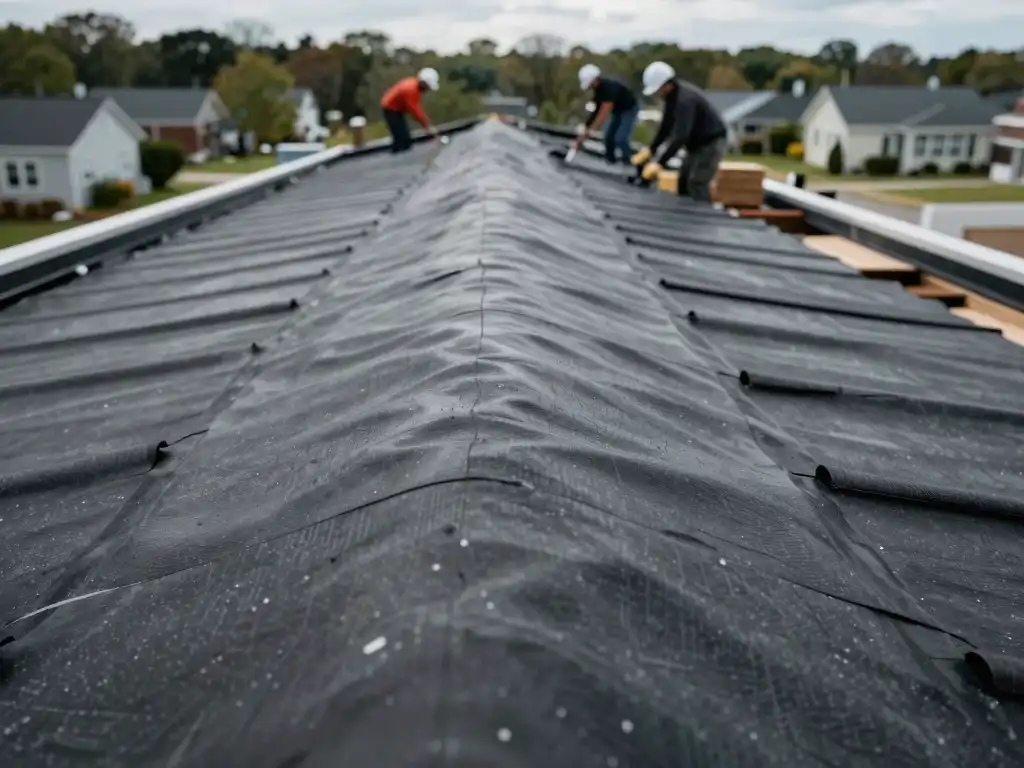
What "flat" really means, why low-slope roofs behave nothing like pitched ones, and what that changes about how they get built and looked after.
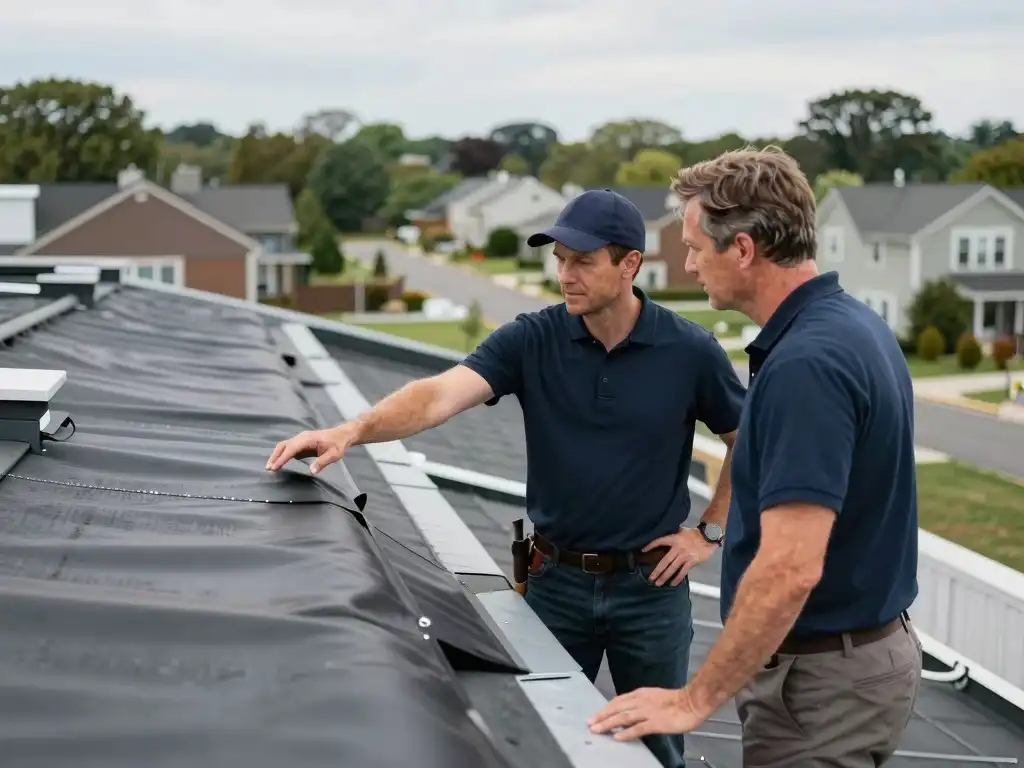
The first questions answered: rough cost ranges, how long a job takes, which permits apply, and what to expect while the work is happening.
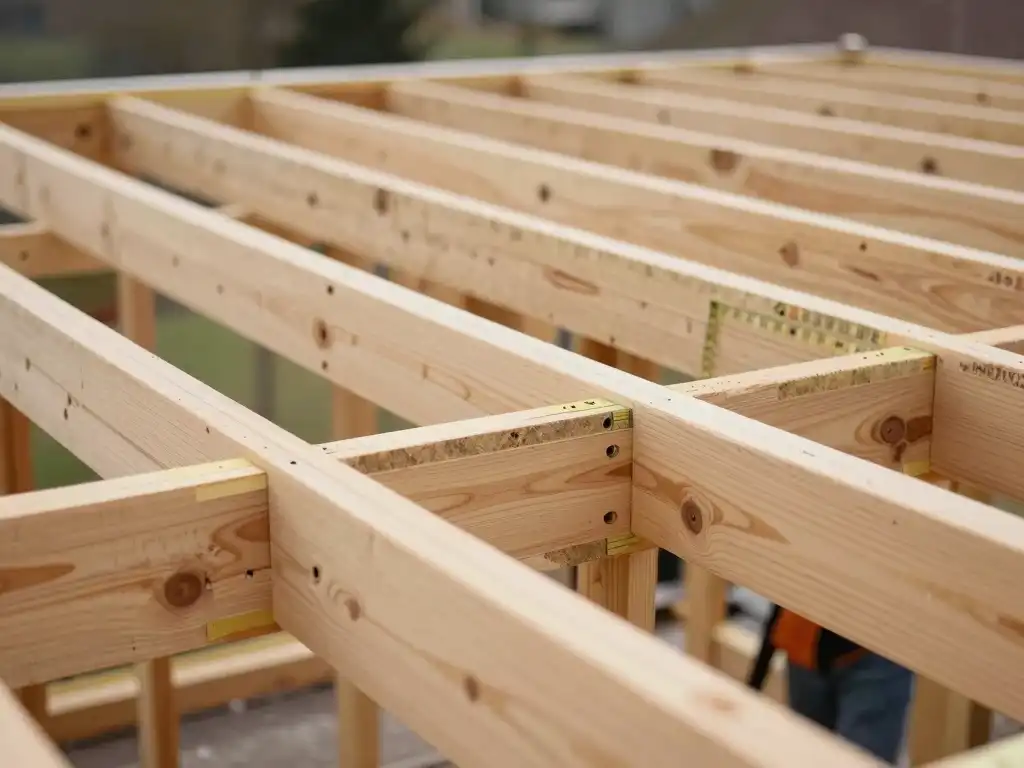
How flat roofs sit on additions, dormers, and rear extensions, and how the structure underneath carries snow, foot traffic, and rooftop equipment.
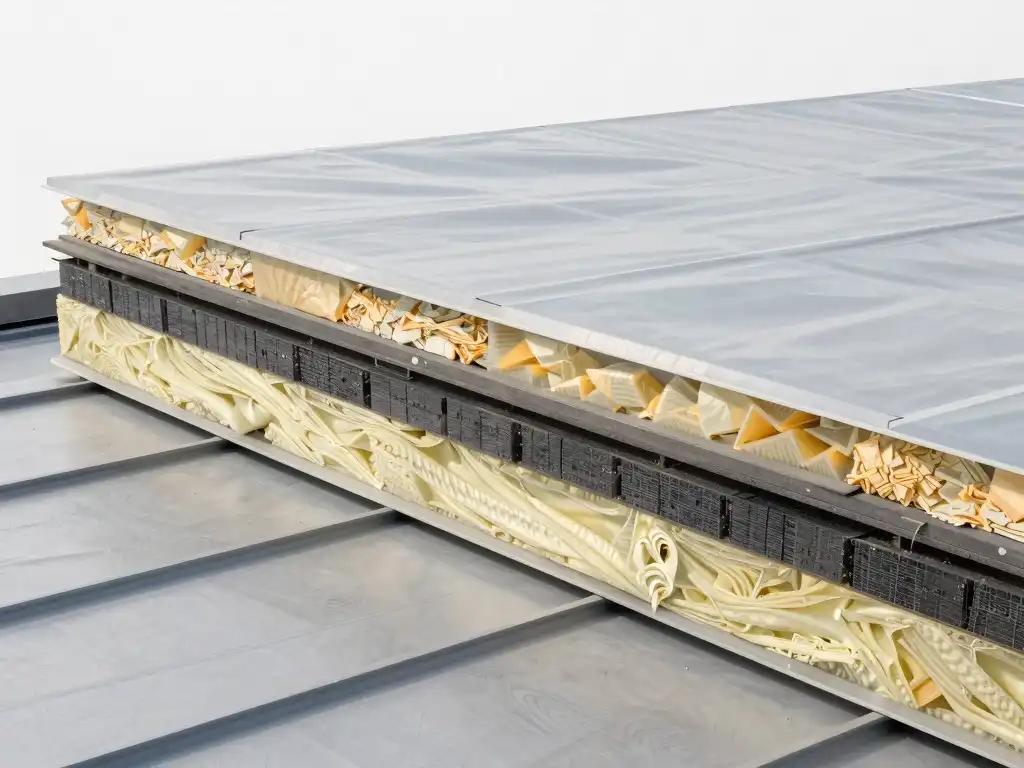
Decking, substrate, slope, fasteners, and the structural movement a membrane has to ride out without splitting.
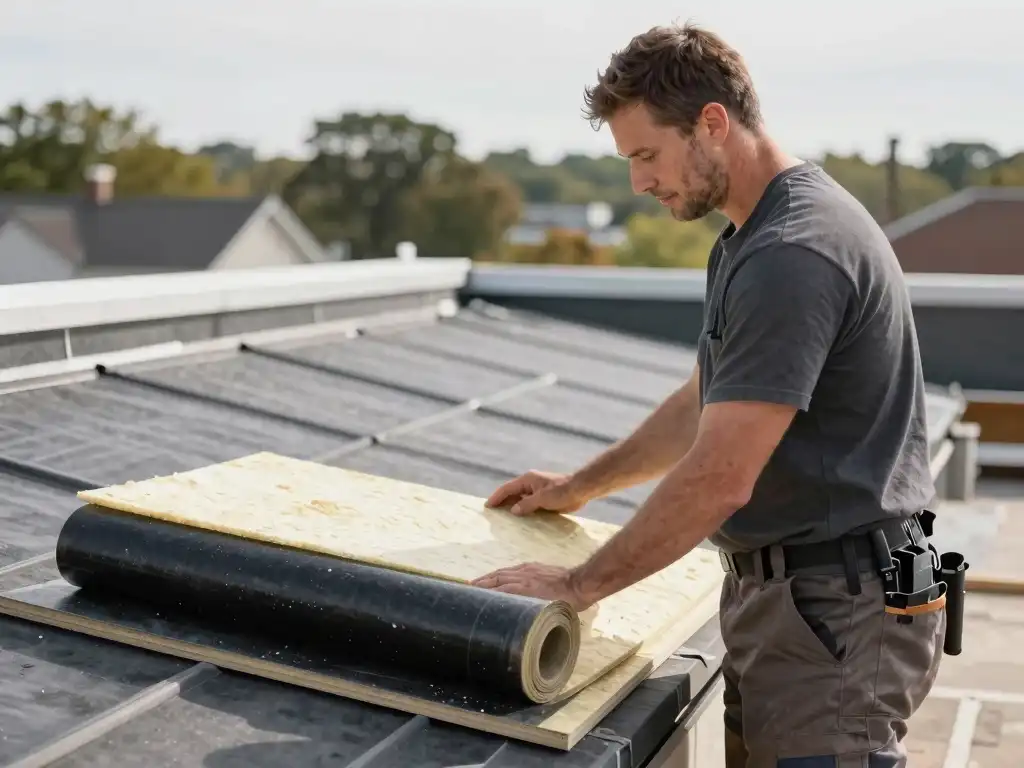
The main membrane families, TPO, PVC, EPDM, modified bitumen, and single-ply rubber, and how each one is actually put down.
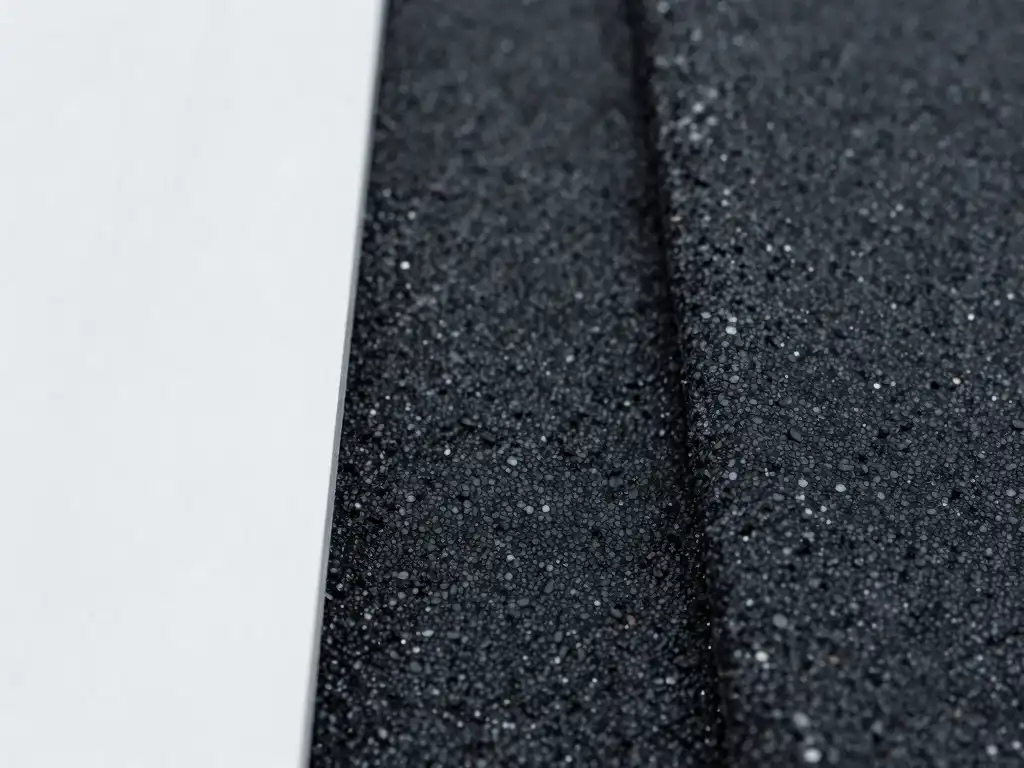
The membranes head to head: which one holds up best for your building, your budget, and your exposure to sun and weather.
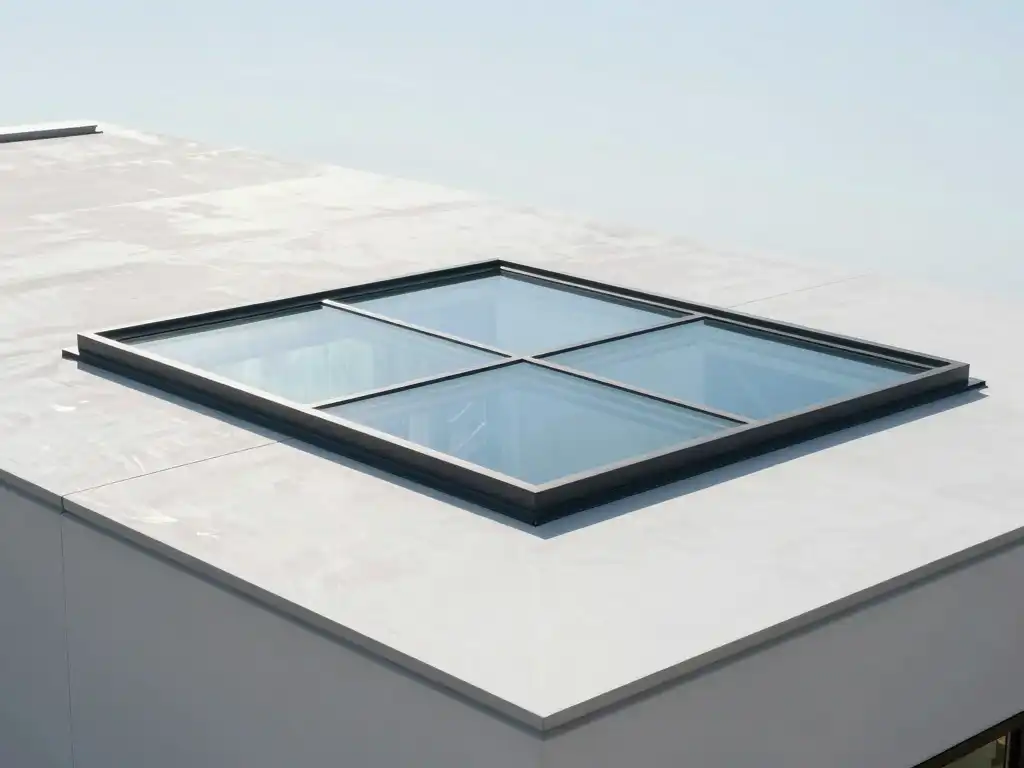
Curbs, counter-flashing, and the details that keep a skylight from becoming the first place the roof leaks.
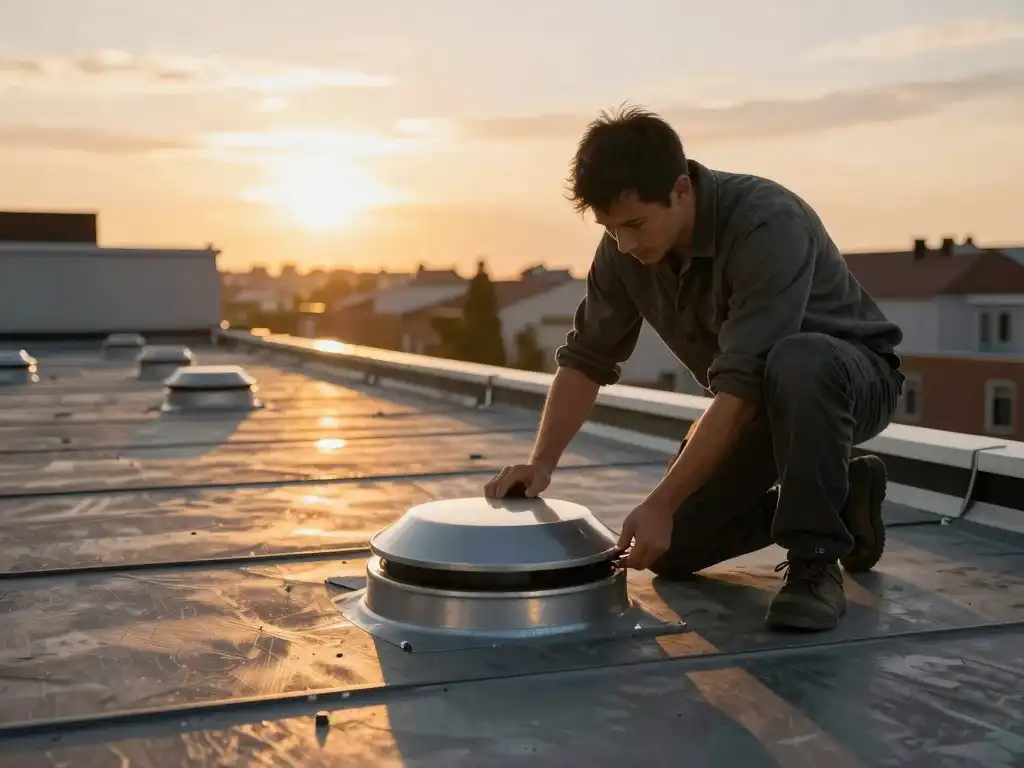
Tapered insulation, R-value, condensation control, and venting that stops moisture from building up beneath the membrane.
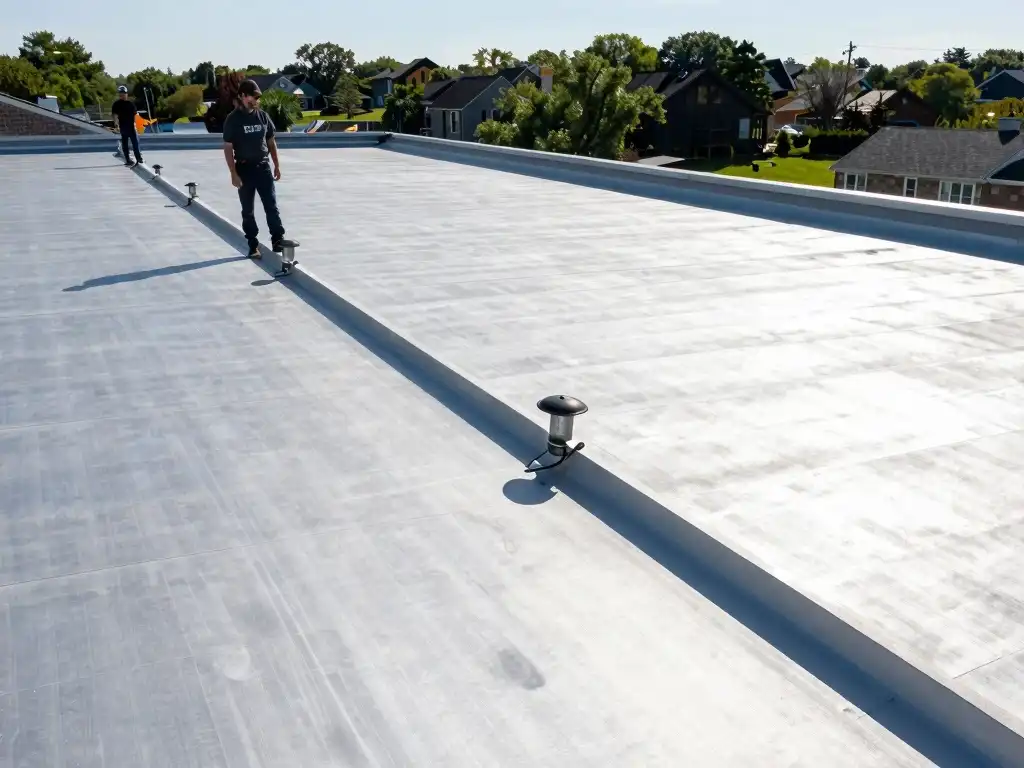
Drains, scuppers, tapered systems, and why getting water off the roof matters more than nearly anything else you can do for it.
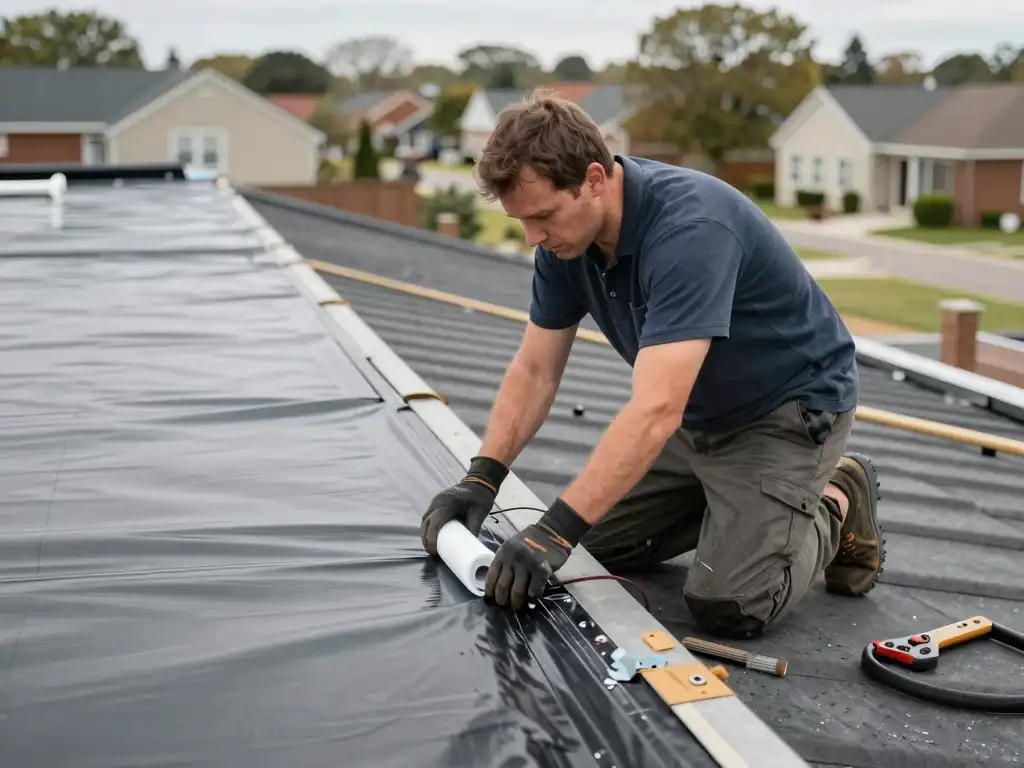
What a flat roof needs each year, and what actually carries it to the top end of its rated life instead of the bottom.
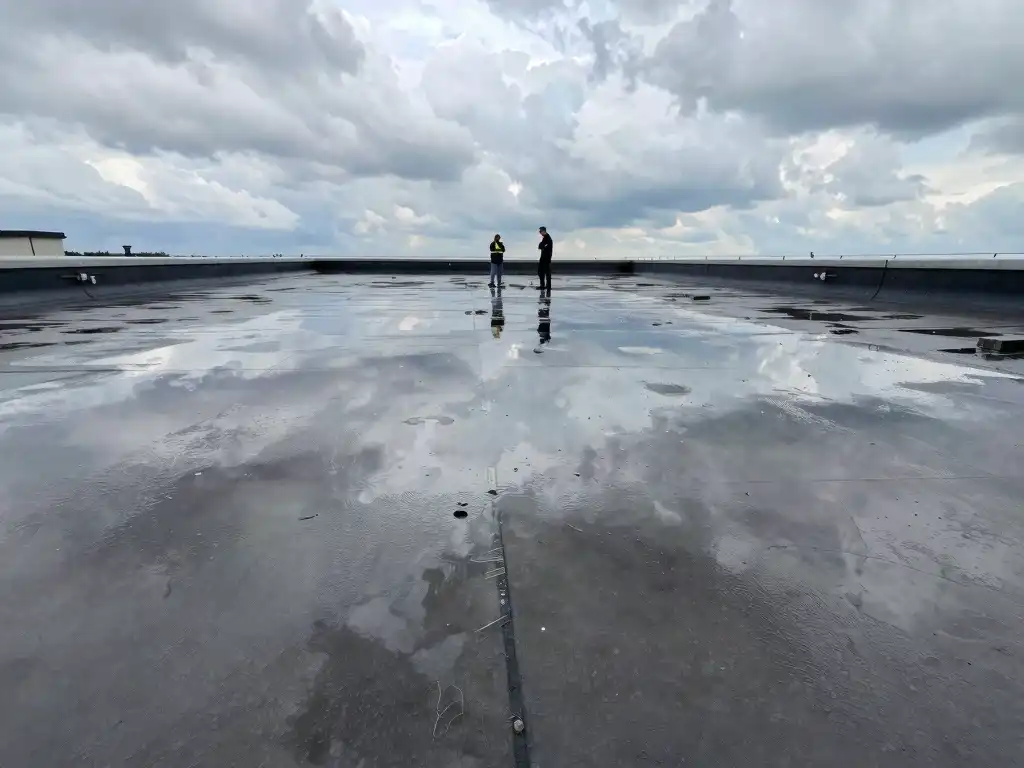
Ponding, blistering, wind uplift, and snow load, and how the coastal weather off the South Shore drives each one.