
Your Flat Roof Isn’t Draining After Rain – Here’s What That Means and How to Fix It
Your Flat Roof Isn’t Draining After Rain – Here’s What That Means and How to
Home / Drainage & Slope
Minimum slope requirements vary by membrane type and building structure. We calculate required slope and confirm existing deck conditions support it before a single material recommendation is made or a project is scoped.
Undersized or incorrectly positioned scupper installation creates the same ponding water problems as no drainage at all. Scupper dimensions and locations are calculated against actual roof area and expected rainfall volume.
Roof drain repair and clearing on existing systems gets assessed before new membrane goes over them. Covering a blocked or deteriorated drain beneath a new flat roof guarantees future ponding water calls.
Flat roofing drainage doesn't end at the membrane edge. Gutter installation flat roof terminations and downspout repair are completed as part of our drainage scope - keeping water moving completely off your property.
Debris accumulation inside roof drain openings restricts water flow off the surface entirely. Routine roof drain repair and clearing during preventive roof maintenance visits is what keeps this from becoming a ponding water repair situation after every significant rainfall.
Drains sized for average rainfall can't handle Suffolk County storm events. Our licensed roofing contractors assess drainage capacity against actual water volume and reconfigure scupper installation or add drain points where the original design falls short.
A flat roof needs enough slope to move water toward drain points. Without it, water sits - degrading EPDM roofing, TPO roofing, and modified bitumen roofing membranes faster than any other single condition on the roof surface.
When primary drainage fails, overflow scuppers and emergency drains are the last line of defense against catastrophic flat roof snow load or rainfall accumulation. Blocked overflow points put the entire roof structure at risk during extreme weather events across Suffolk County.
Downspout repair needs are frequently overlooked until water backs up at the roofline. A disconnected or clogged downspout negates everything the roof drainage solutions above it are designed to accomplish.
Membrane deflection between fastening points creates persistent low spots that concentrate ponding water repair needs in the same locations season after season - accelerating membrane breakdown and roof deck saturation directly beneath those areas.
Deteriorated or improperly pitched gutter installation flat roof connections allow water to back up against the fascia and membrane edge - creating chronic flashing repair needs and long-term moisture damage to the building's perimeter wall assembly.
Damaged scupper installation points block the primary overflow path during heavy rain - a direct cause of emergency flat roof repair Suffolk County calls following storm events where water has nowhere to exit the roof perimeter quickly.
Proper roof drainage solutions and scupper installation eliminate the standing water conditions that accelerate membrane breakdown - producing measurably fewer ponding water repair calls over the flat roof's full service lifespan.
Flat roofs that drain quickly avoid the accumulated water weight that stresses structural decking and membrane seams - a particularly important outcome given flat roof snow load conditions across Suffolk County winters.
Membranes that stay dry between rain events last significantly longer than those regularly exposed to prolonged standing water - making drainage design the highest-leverage investment available in flat roof performance optimization.
Correct drainage prevents the progressive membrane failures and structural damage that standing water creates - reducing emergency roof services calls and flat roof leak repair frequency on Suffolk County residential and commercial properties alike.
Your Flat Roof Isn’t Draining After Rain – Here’s What That Means and How to
Inside a Flat Roof Drainage System – What the Details Look Like and Why They
Designing a Flat Roof Drainage System – What Has to Be Decided Before the Build
Draining a Flat Flat Roof Deck – How to Get Water Off Without Ruining What’s
How to Create a Fall on a Flat Roof – The Method and Why Getting
What "flat" really means, why low-slope roofs behave nothing like pitched ones, and what that changes about how they get built and looked after.
The first questions answered: rough cost ranges, how long a job takes, which permits apply, and what to expect while the work is happening.
How flat roofs sit on additions, dormers, and rear extensions, and how the structure underneath carries snow, foot traffic, and rooftop equipment.
Decking, substrate, slope, fasteners, and the structural movement a membrane has to ride out without splitting.
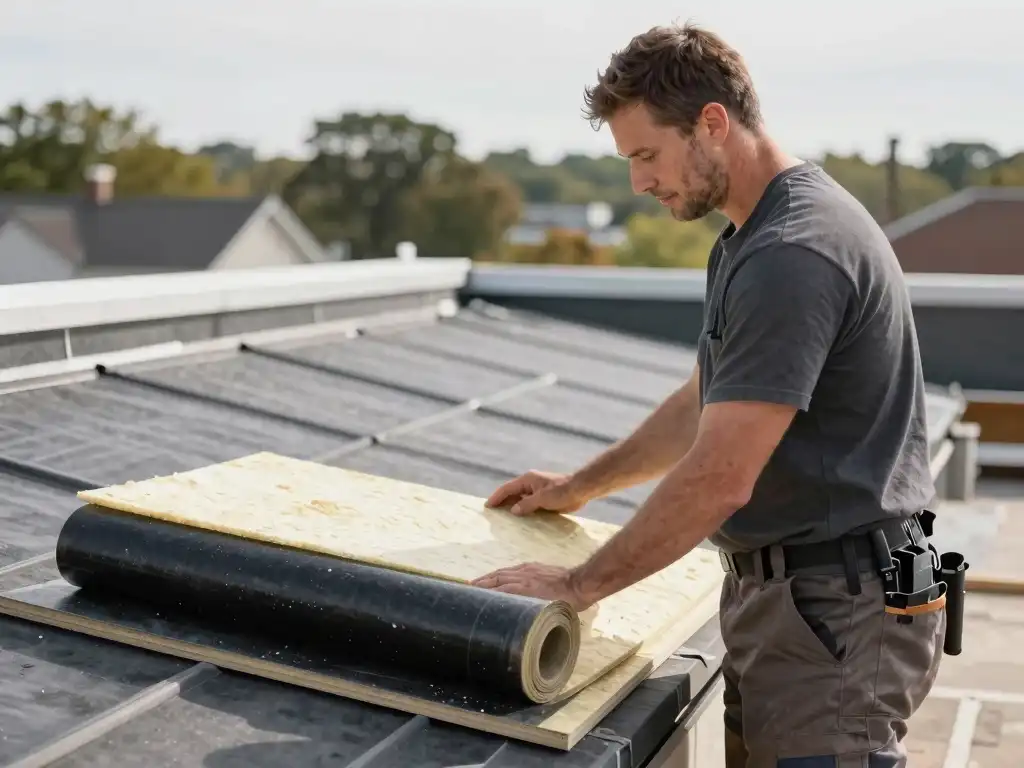
The main membrane families, TPO, PVC, EPDM, modified bitumen, and single-ply rubber, and how each one is actually put down.
The membranes head to head: which one holds up best for your building, your budget, and your exposure to sun and weather.
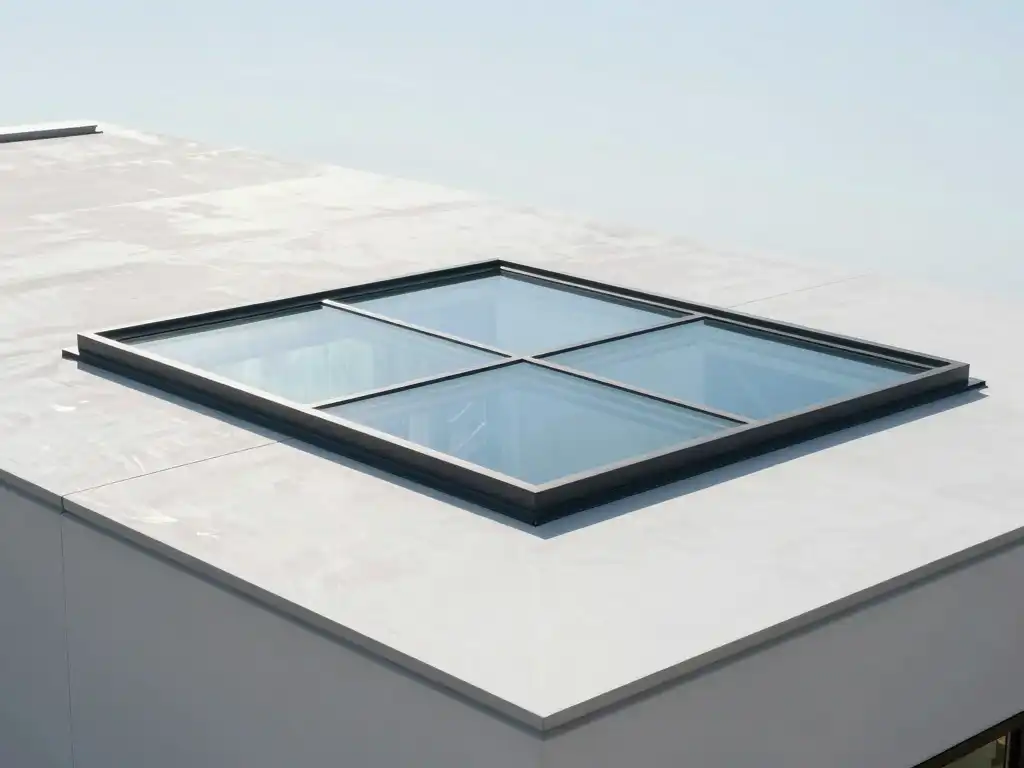
Curbs, counter-flashing, and the details that keep a skylight from becoming the first place the roof leaks.
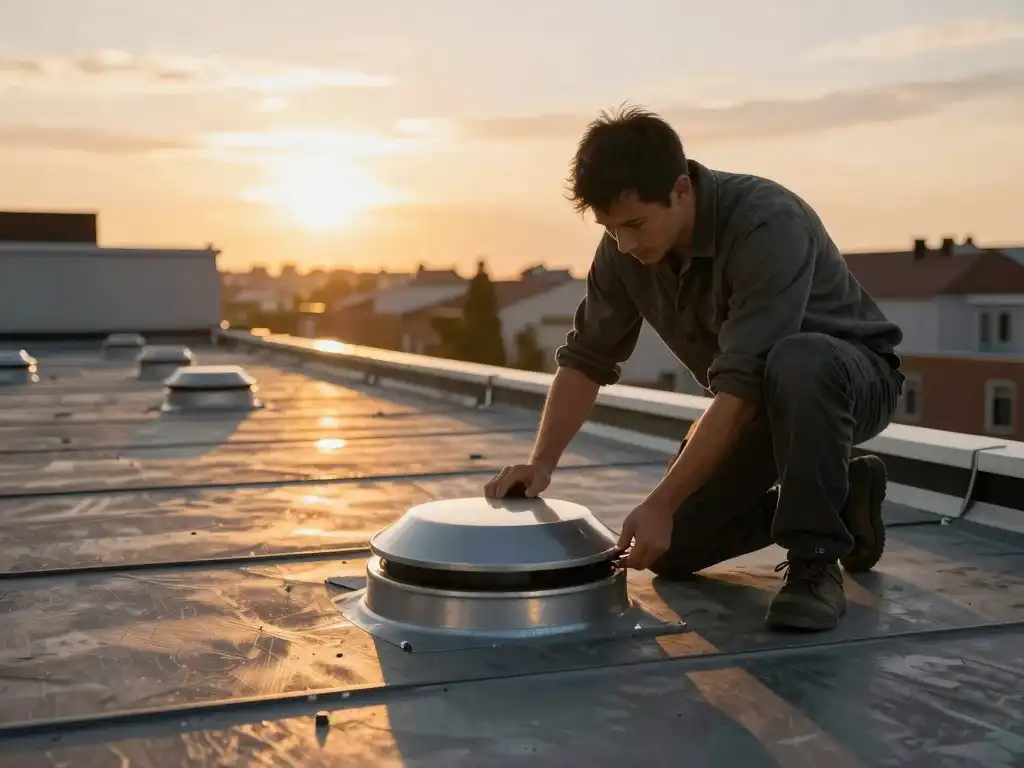
Tapered insulation, R-value, condensation control, and venting that stops moisture from building up beneath the membrane.
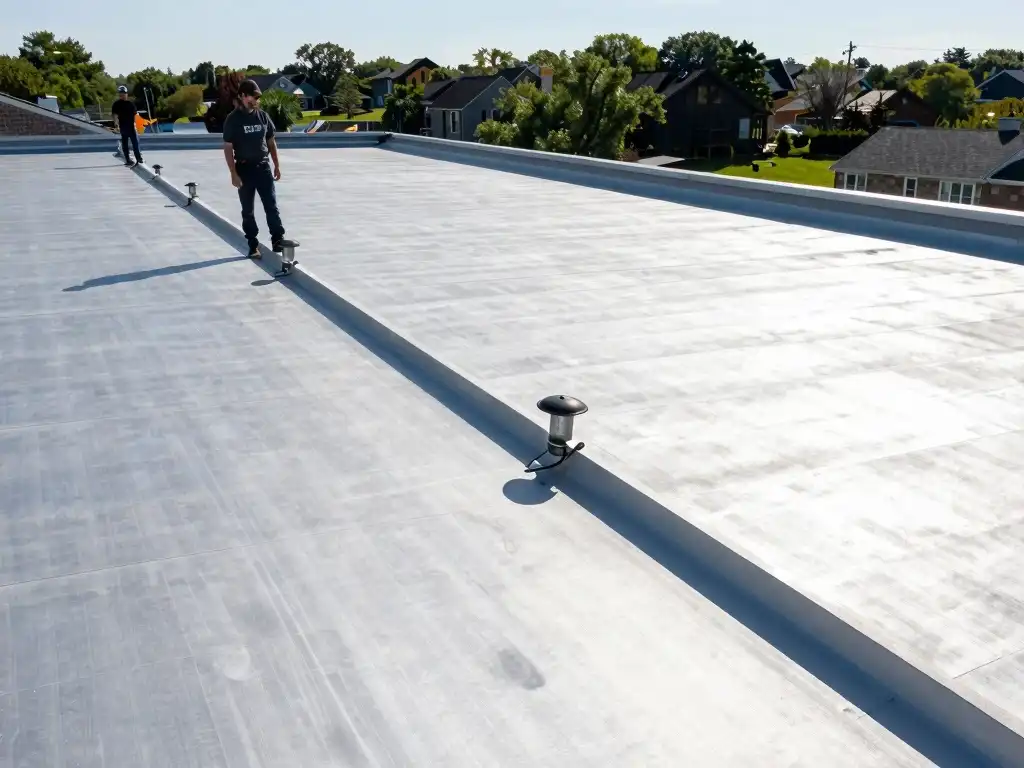
Drains, scuppers, tapered systems, and why getting water off the roof matters more than nearly anything else you can do for it.
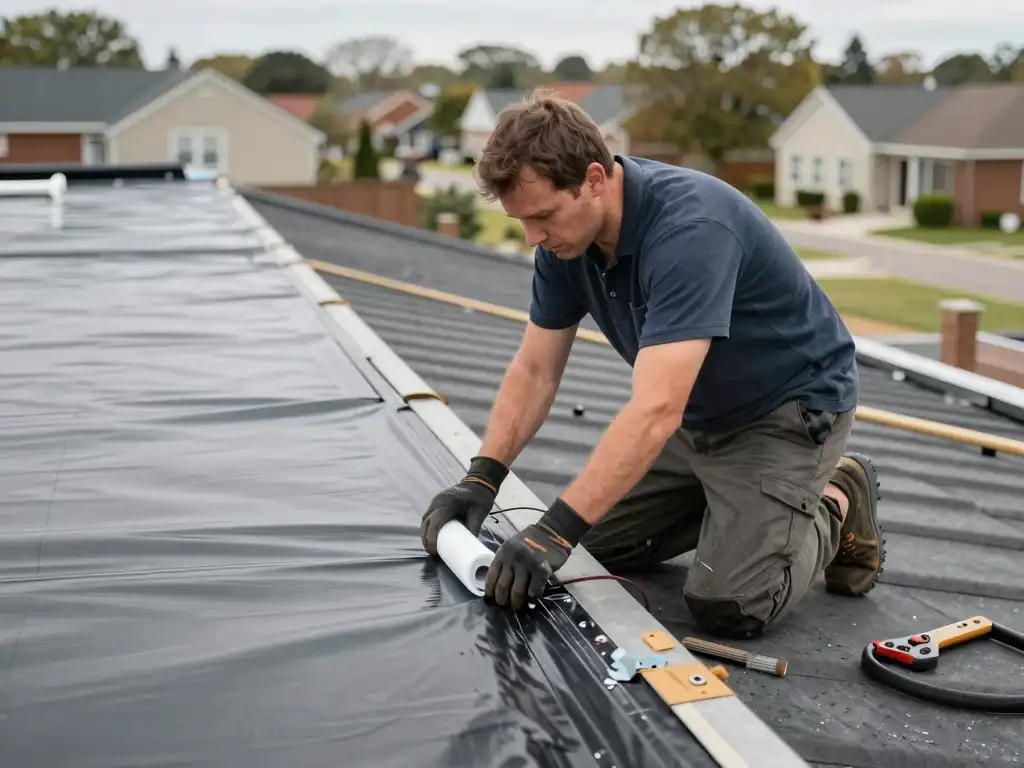
What a flat roof needs each year, and what actually carries it to the top end of its rated life instead of the bottom.
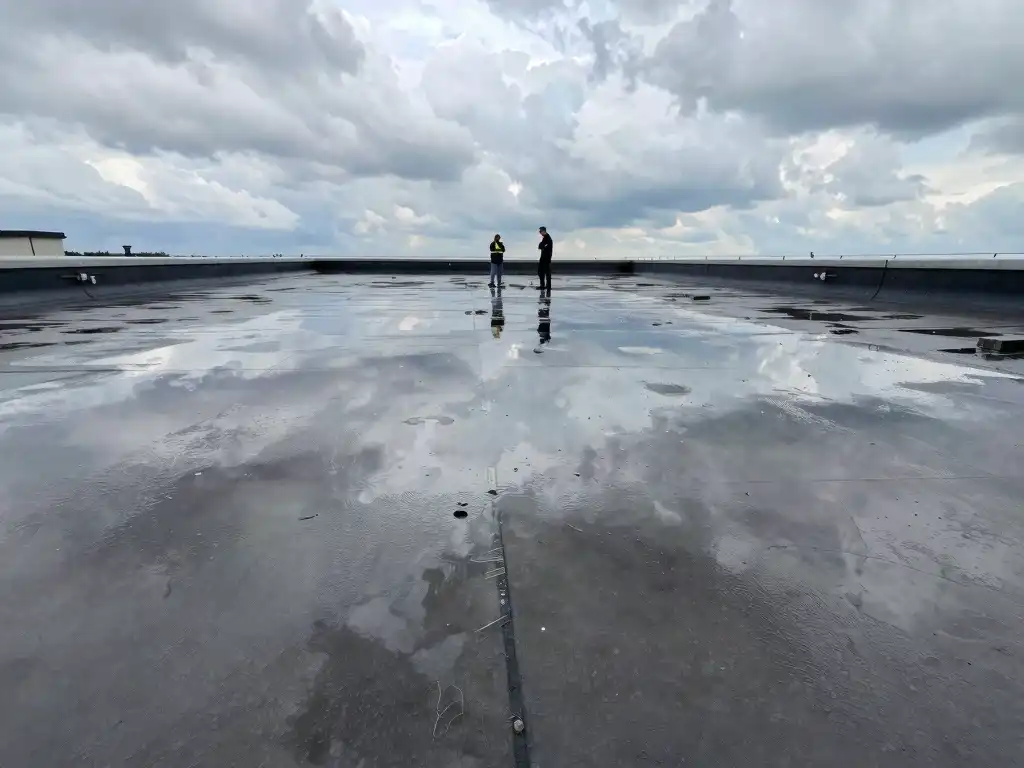
Ponding, blistering, wind uplift, and snow load, and how the coastal weather off the South Shore drives each one.