Every Flat Roofing System Works Differently - Here Is What That Actually Means for You

EPDM, TPO, PVC, modified bitumen, and built-up roofing compared – helping you choose the right system for your property.

Material Selection Decisions That Define Long-Term Flat Roof Performance

Every flat roof membrane system has a defined set of strengths, limitations, and performance conditions – and the difference between a 25-year roof and a 10-year roof on the same building often comes down to whether the right material was specified at installation. TPO roofing delivers exceptional energy efficiency and heat-welded seam integrity on commercial flat roofing Suffolk County properties, but it’s not the most economical choice for a small residential garage addition where EPDM rubber roofing provides comparable waterproofing at lower system cost. PVC roofing handles chemical and grease exposure better than any other flat roofing membrane – making it the preferred specification for restaurant flat roofing and food service facilities – but the cost premium over EPDM isn’t justified on a standard residential flat roofing project where that performance attribute isn’t needed.
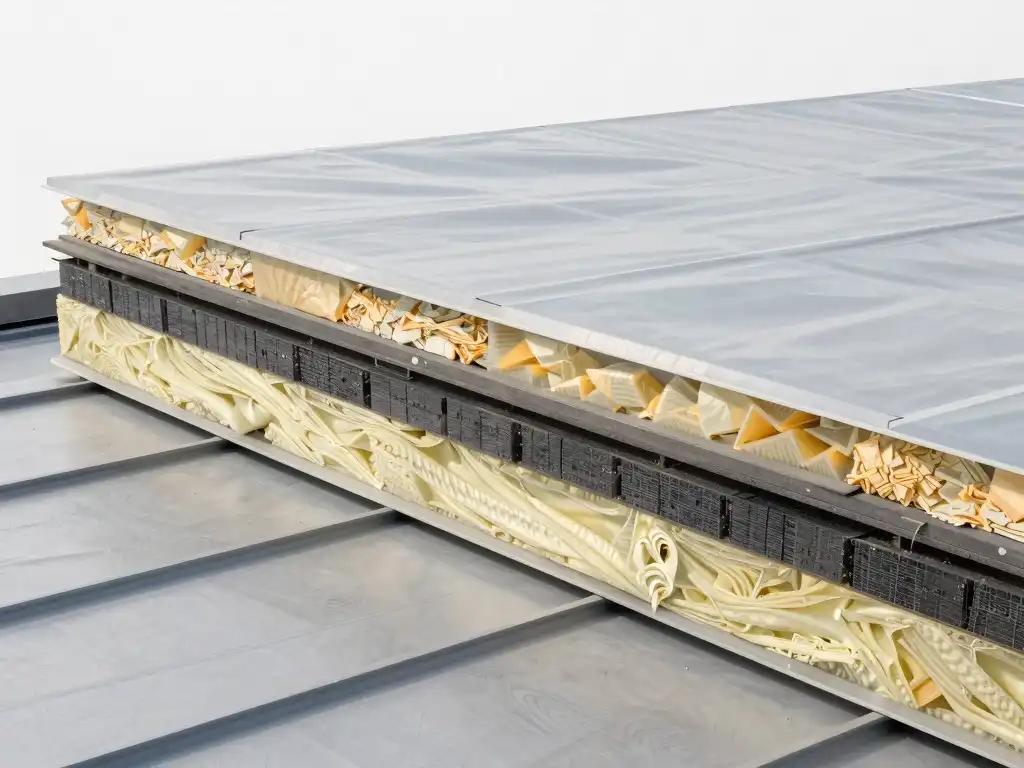
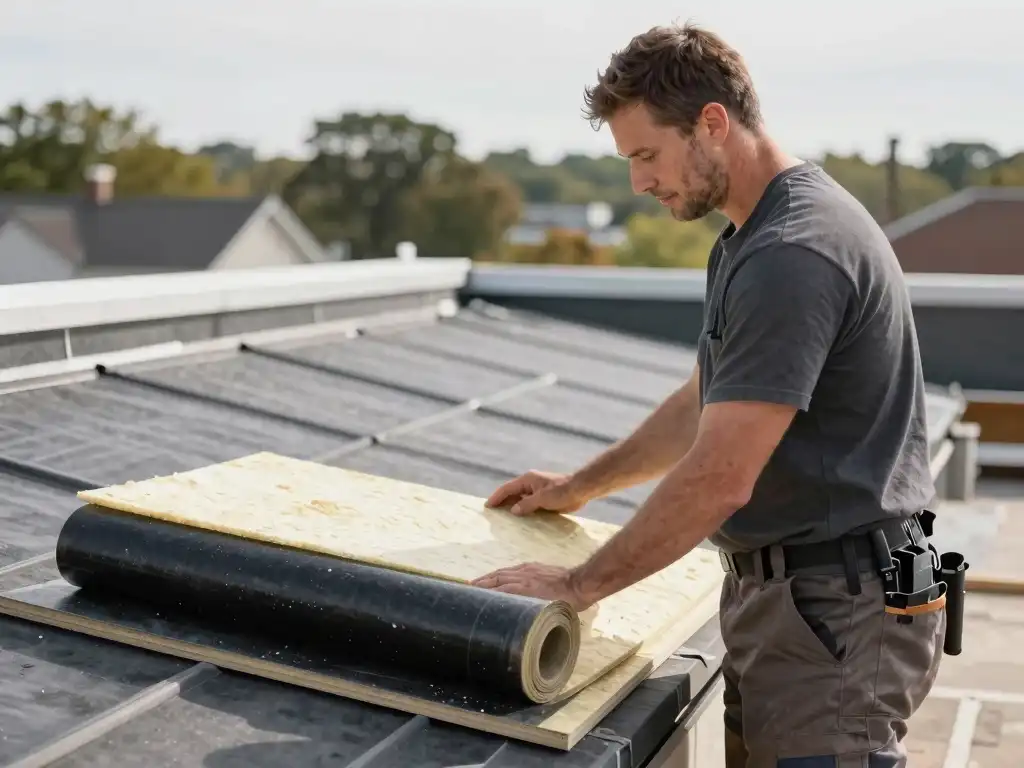
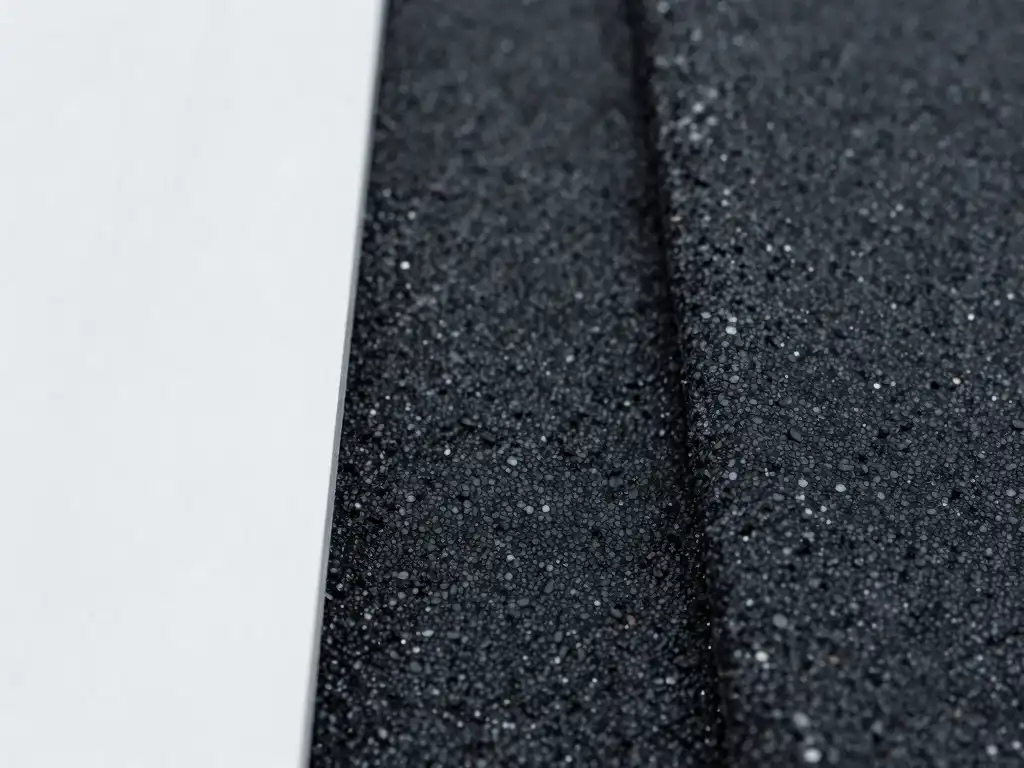
Modified bitumen roofing, torch down roofing, and built up roofing occupy a different performance tier – multi-layer systems that handle heavy traffic, mechanical equipment weight, and the freeze-thaw cycles that Long Island experiences across its full weather season. These systems are specified for apartment building roofing, warehouse roofing, and industrial flat roofing applications where a single-ply membrane may lack the durability the rooftop demands. Insulated flat roofing assemblies using any of these core systems can be designed to meet energy code requirements and improve thermal performance across both residential and commercial structures.
Every material recommendation from our certified roofers is backed by a free roofing quote, a detailed flat roof cost estimate, and a roofing warranty that covers both the specific system installed and the workmanship behind it.

Matching the Right Flat Roof System to Your Property

Every flat roofing system performs best under specific conditions and property types. Here’s how material selection maps to the actual buildings and use cases most common across Suffolk County:

Excel Flat Roofing

Speak to Our Team About the Right Flat Roof System

Not sure which flat roofing material fits your building? Our certified roofers review your structure, usage, and budget and provide a free roofing quote with a clear material recommendation backed by Long Island performance data.

Why Choose Us

Right Material, Right Building, Right Long-Term Outcome

Material selection determines maintenance frequency, energy costs, warranty validity, and system lifespan. Excel Flat Roofing matches every flat roofing system to the building it’s going on – not to what’s easiest to install or currently in stock.

Side-by-Side System Comparisons Provided Before You Commit

EPDM, TPO, PVC, torch down, and built up roofing each carry different performance profiles. We walk through those differences with Suffolk County property owners before any material recommendation becomes a final project decision.

Climate Performance Factored Into Every Material Decision

Long Island's coastal humidity, UV exposure, and winter freeze cycles affect membrane performance differently across system types. Material selection accounts for those specific conditions - not national averages that don't reflect local reality.

Manufacturer Warranty Eligibility Protected Through Correct Installation

Roofing warranty coverage depends entirely on installation compliance with manufacturer specifications. Our crews follow every technical requirement that keeps full warranty coverage intact - protecting your investment from the first day forward.

Energy-Efficient Membrane Options Available for Qualifying Properties

Reflective TPO roofing and PVC roofing systems measurably reduce cooling loads on Suffolk County commercial buildings. We identify where energy-efficient membrane options deliver a genuine return - and where standard systems are the smarter choice.

Three Single-Ply Roofing Systems Suffolk County Buildings Actually Rely On

Single ply roofing covers more Suffolk County flat roofs than any other membrane category – and for good reason. TPO roofing, EPDM roofing, and PVC roofing each bring a distinct set of performance characteristics that make them better fits for specific building types, climates, and budgets. Excel Flat Roofing helps property owners understand the difference before any material selection is made.

TPO Roofing - Heat-Welded Performance for Commercial and Residential Roofs

TPO roofing is currently the most widely specified single ply roofing option across commercial flat roofing Suffolk County and residential flat roofing projects alike. Its heat-welded seams create a fully fused membrane surface that outperforms adhesive-bonded alternatives in wind uplift resistance and long-term watertight integrity. TPO roofing also carries strong reflective properties – reducing cooling loads on office building roofing, retail store roofing, and apartment building roofing properties where energy efficiency factors into operating costs year-round. Our licensed roofing contractors install TPO systems to full manufacturer specifications, ensuring every installation qualifies for roofing warranty coverage from day one.
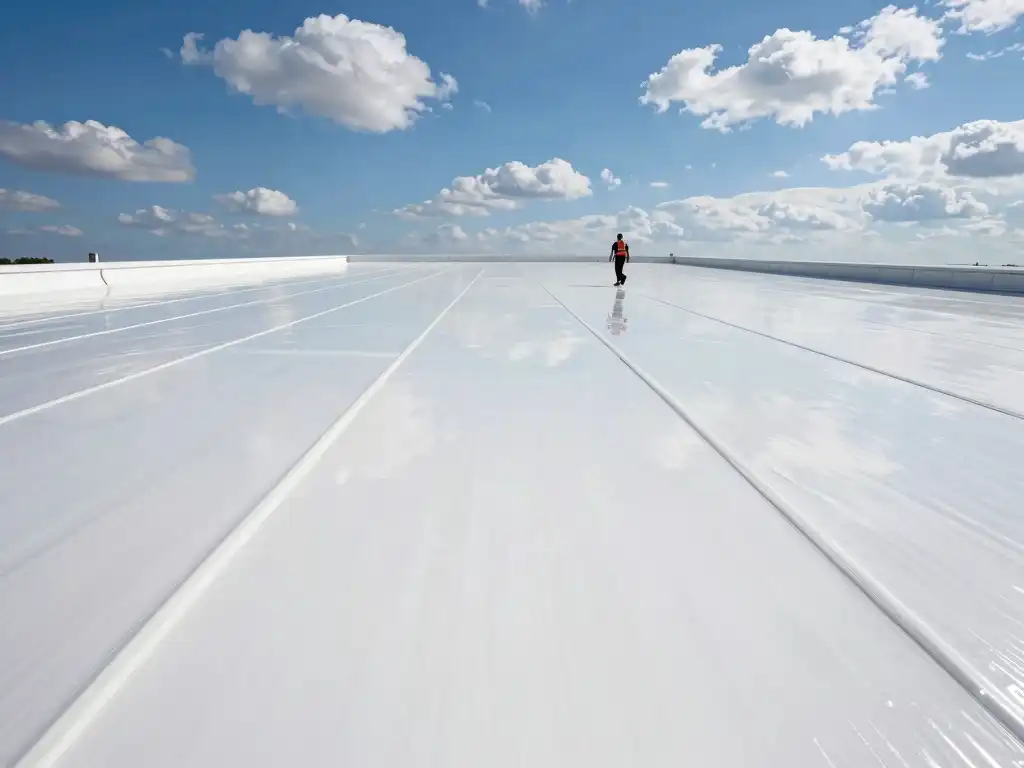
TPO roofing installation in Suffolk County New York

EPDM Roofing - Proven Rubber Membrane Built for Long Island Weather

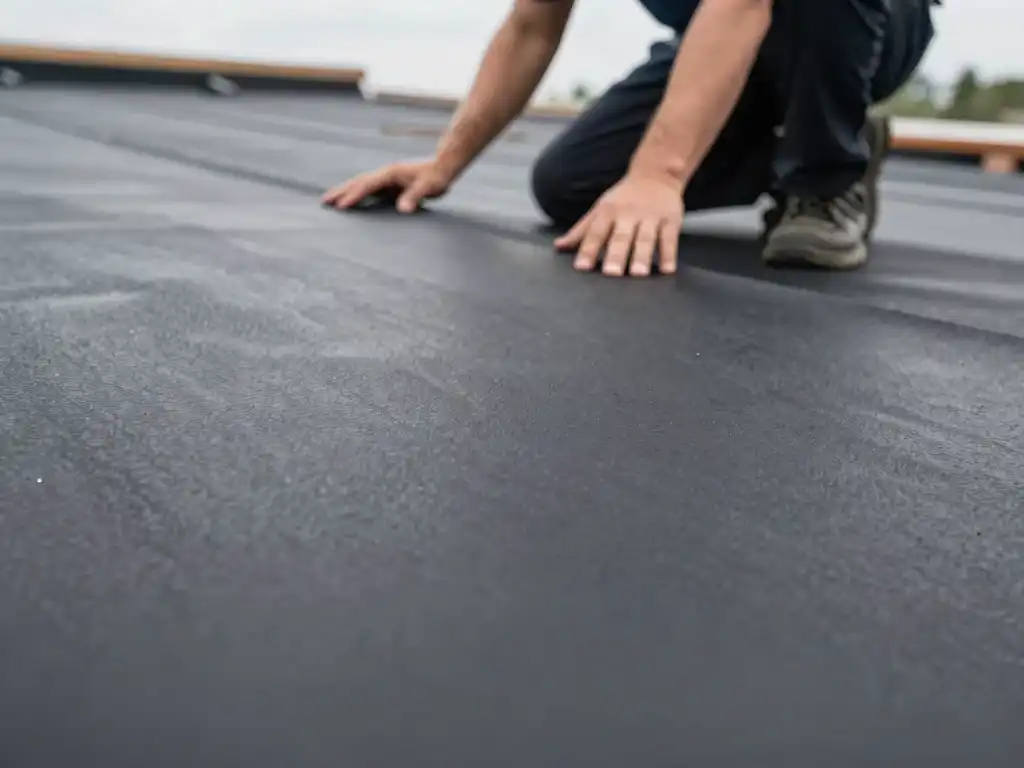
EPDM roofing – commonly referred to as rubber roofing – has a performance track record spanning several decades across flat roofing Suffolk County installations. Its natural flexibility handles Suffolk County’s freeze-thaw cycling better than more rigid membrane systems, and properly maintained EPDM roofing with scheduled roof coating services and seam inspections consistently reaches the high end of its expected service life. Our certified roofers install EPDM in both fully adhered and mechanically fastened configurations depending on deck type and building use – including warehouse roofing, industrial flat roofing, and church roofing projects where durability over decades matters more than surface reflectivity.
EPDM roofing installation in Suffolk County New York

PVC Roofing - Chemical Resistance and Fire Ratings for High-Demand Buildings

PVC roofing stands apart from other single ply roofing options where chemical resistance and fire rating requirements drive the specification. Restaurant flat roofing and industrial flat roofing applications involving grease exhaust exposure are where PVC roofing consistently outperforms TPO and EPDM alternatives – resisting breakdown from oils and chemicals that degrade other membranes over time. PVC roofing also meets Class A fire ratings in standard assembly configurations, making it a practical choice for school roofing services, hospital roofing, and any multi family roofing project where fire resistance documentation is required for insurance or occupancy compliance.
PVC roofing installation in Suffolk County New York

Value That Comes From Choosing the Correct Roofing System

Material choice affects everything downstream – lifespan, maintenance frequency, energy costs, and warranty coverage. These are the advantages Suffolk County property owners gain when the right flat roofing system is matched to the right building.

Maximum Lifespan From System-Appropriate Selection

Flat roofing materials specified for the building's actual use, structure type, and climate exposure reach their full rated lifespan - avoiding the early failures common when material selection is cost-driven rather than performance-driven.

Lower Maintenance Costs Over the System's Life

Correct material selection reduces recurring flat roof leak repair frequency, emergency flat roof repair calls, and preventive roof maintenance demands - producing long-term cost advantages that outweigh any upfront premium paid for the right system.

Energy Savings Delivered Through Reflective Membrane Options

TPO roofing and PVC roofing systems with reflective surfaces reduce solar heat gain on commercial buildings - measurably lowering cooling loads and utility costs across Suffolk County office building roofing and retail properties.

Full Warranty Coverage on Specified Systems

Material and workmanship roofing warranty coverage applies fully when the correct system is installed to manufacturer specification - protecting the investment with documented coverage that remains valid for the membrane's entire warranty period.

Detailed Guides to Every Major Flat Roofing Material System

EPDM, TPO, PVC, modified bitumen, built up roofing, and single ply systems each carry distinct performance profiles. This section breaks down what each one delivers and where each one works best across Suffolk County.

Roofing Guide

Plain-Language Flat Roofing Guides Built for Long Island Property Owners

Covering materials, drainage, climate damage, maintenance schedules, and system comparisons – every guide in this section is written specifically for Suffolk County property owners making real flat roofing decisions on real Long Island buildings.
General flat roofing services in Suffolk County New York by Excel Flat Roofing

General Flat Roofing

Everything homeowners and building owners need to understand about flat roofing systems, materials, and long-term performance in Suffolk County.

Professional flat roofing contractor information in Suffolk County NY

General Info

New to flat roofing? Start here - clear, straightforward answers covering how these systems work and what to expect.

Residential roof extension construction in Suffolk County New York

Structures & Extensions

Flat roofing isn't one-size-fits-all. Learn how different building structures and extensions affect system selection, installation, and performance.

Flat roofing technical services and analysis in Suffolk County NY

Technical & Structural

Deck conditions, load requirements, and substrate compatibility - the technical side of flat roofing explained in plain, practical language.

Professional flat roofing materials used in Suffolk County New York

Materials & Systems

EPDM, TPO, PVC, modified bitumen, and built-up roofing compared - helping you choose the right system for your property.

Professional comparison of flat roofing systems in Suffolk County New York

Materials & Comparisons

Side-by-side breakdowns of the most common flat roof materials, covering cost, durability, maintenance demands, and climate suitability for Long Island.

Suffolk County NY home with newly installed skylights

Skylights & Windows

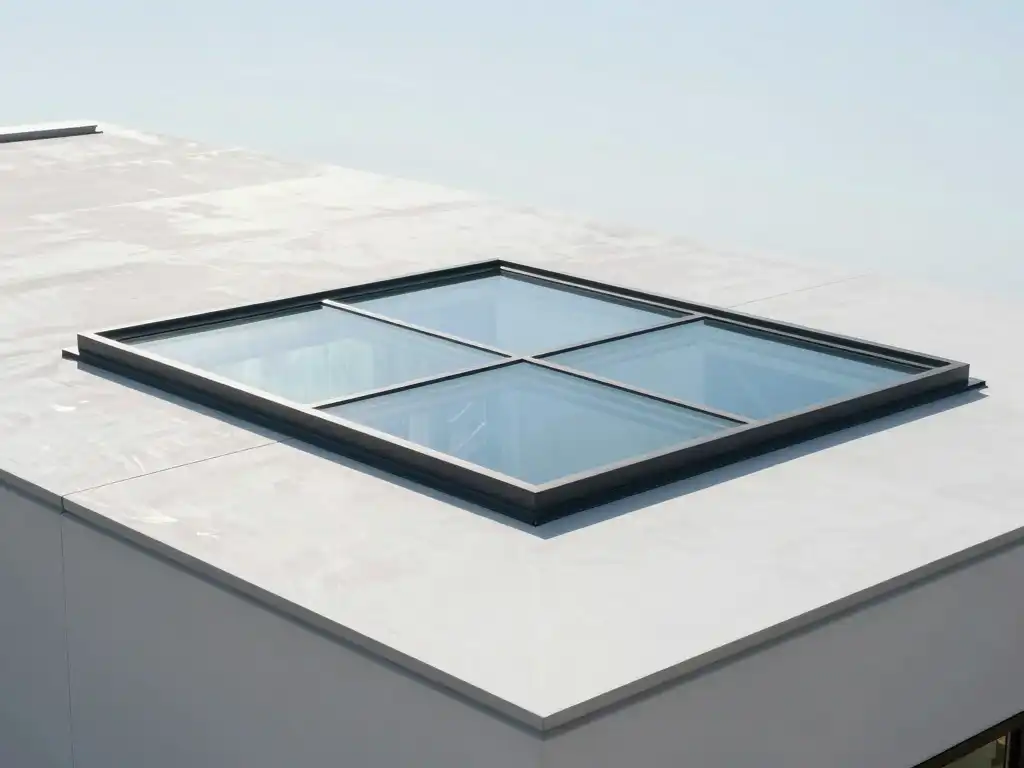
Adding a skylight to a flat roof changes everything about waterproofing and flashing. Here's what proper skylight installation actually involves.

Excel Flat Roofing installing roof insulation in Suffolk County NY home

Ventilation & Insulation

Poor roof ventilation and inadequate insulation drive up energy costs and shorten system lifespan - understand what your flat roof actually needs.

Flat roof drainage and slope system in Suffolk County New York

Drainage & Slope

Ponding water is flat roofing's biggest enemy. Discover how proper roof drainage solutions and slope design protect your building long-term.

Flat roof maintenance service in Suffolk County New York

Maintenance & Lifespan

Preventive roof maintenance extends the life of any flat roofing system - learn what to schedule, inspect, and never overlook.

Suffolk County NY flat roof affected by heavy rain and climate exposure

Problems & Climate

Storm damage, snow load, freeze-thaw cycles, and leaks - how Suffolk County's climate specifically affects flat roofing and what to watch for.

Testimonial

Proven Outcomes Across Different Flat Roof Material Choices

Suffolk County property owners share the performance results from EPDM, TPO, PVC, and modified bitumen systems installed by our team – and how those material choices have held up over time.

Frequently Asked Questions

Materials-Focused Flat Roofing Questions Answered Directly

What is the most durable flat roofing material for Long Island?
Durability depends on the specific performance demands of the application. For high-traffic commercial rooftops with heavy equipment, built up roofing and modified bitumen roofing deliver the greatest membrane thickness and resistance. For single-ply systems, PVC roofing offers strong chemical resistance while TPO roofing provides excellent UV reflectivity and seam strength. EPDM rubber roofing consistently delivers the best value-to-lifespan ratio for residential flat roofing across Suffolk County when properly maintained.
Both systems are well-proven in Long Island’s climate, but they suit different commercial priorities. TPO roofing is preferred when energy efficiency is a primary goal – its reflective surface reduces cooling loads significantly on commercial flat roofing Suffolk County buildings. EPDM rubber roofing performs better in sub-freezing temperatures and costs less upfront. For large commercial flat roofing projects in Hauppauge or Commack, TPO’s energy return often justifies its slightly higher installation cost over a 20-year ownership cycle.
Built up roofing is specified when membrane thickness, puncture resistance, and structural ballast are priorities – typically on warehouse roofing, industrial flat roofing, rooftops with heavy HVAC equipment, or apartment building roofing where foot traffic is regular. Single ply roofing systems like TPO and EPDM install faster and cost less, making them better choices for standard-use flat roofs where the additional mass and complexity of built up roofing isn’t justified by the application.
PVC roofing provides the strongest chemical resistance among flat roofing membrane systems – making it the preferred choice for restaurant flat roofing, commercial kitchen facilities, and any building where drainage regularly carries grease, detergents, or other chemical compounds that would degrade EPDM or standard TPO membranes over time. This characteristic is the primary reason PVC commands a premium on food service and processing facility roofing projects across Suffolk County.
In some cases, a new single ply roofing membrane can be installed over an existing system – but only when the existing substrate is structurally sound, the insulation beneath it is dry, and the total weight falls within the deck’s structural capacity. Recover installation is less common than full replacement because existing moisture, insulation degradation, and deck conditions often make tear-off the technically sound choice. Our roof inspection determines which approach is appropriate for a specific building before any scope is written.
Schedule Your Free Roof Inspection
Get expert assessment and transparent pricing – no obligation, no pressure