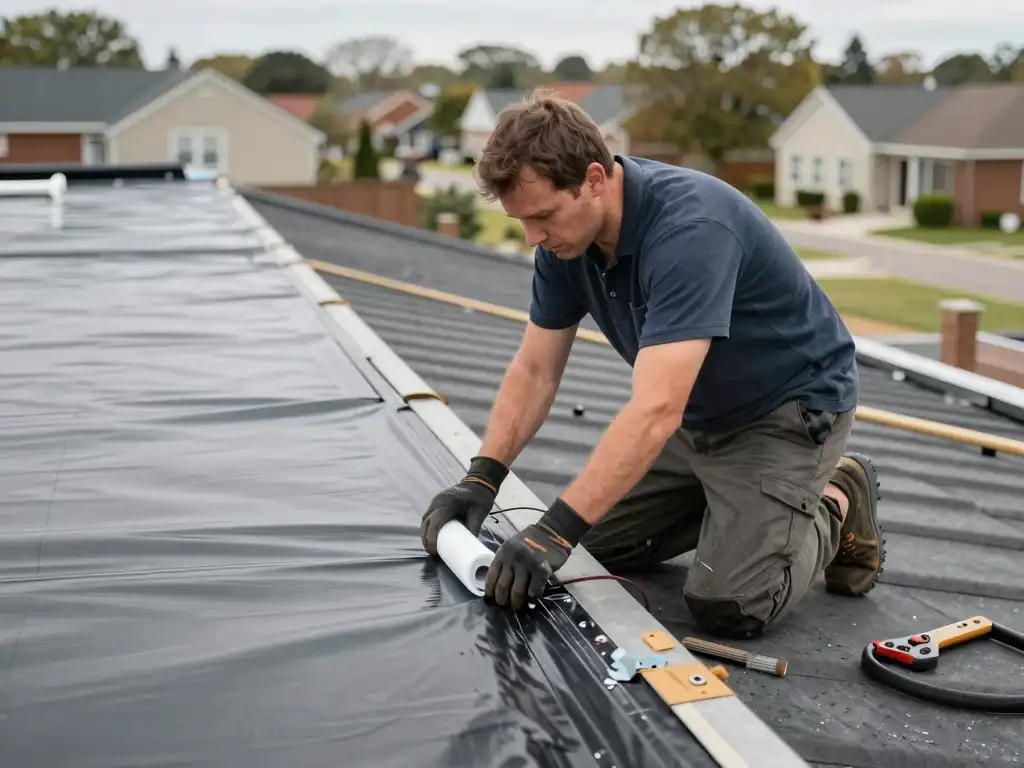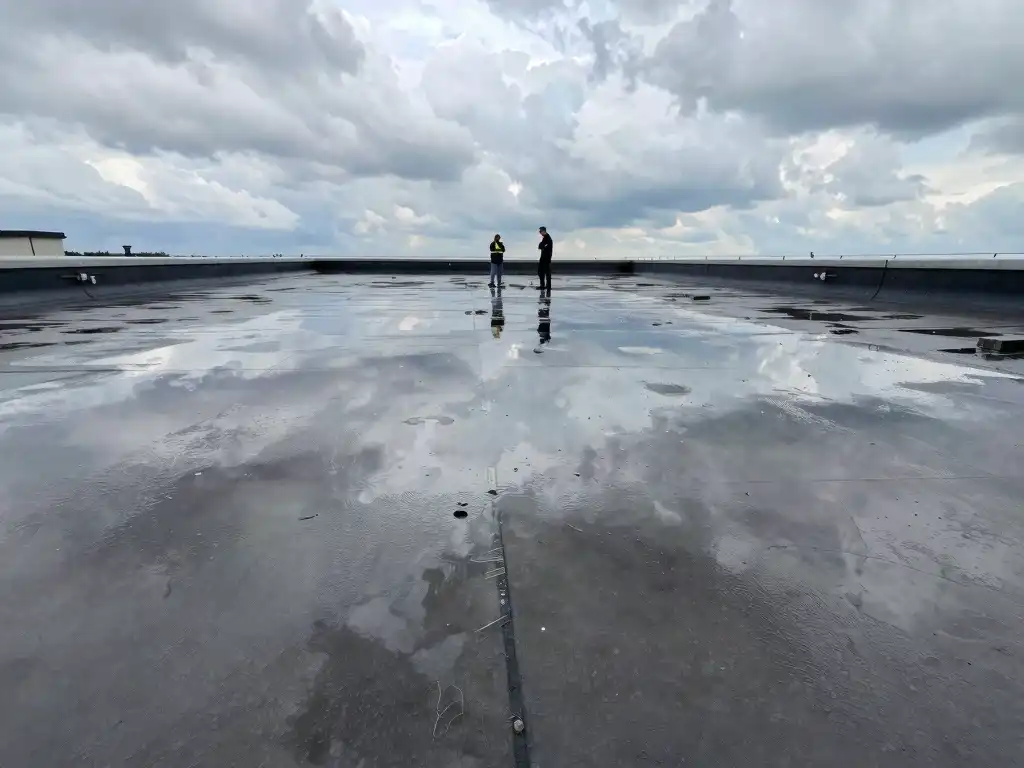
A Roof That Cannot Breathe Will Cost You Money Every Single Month - Here Is Why

Poor roof ventilation and inadequate insulation drive up energy costs and shorten system lifespan – understand what your flat roof actually needs.

Energy Performance Starts With What's Beneath the Flat Roof Membrane

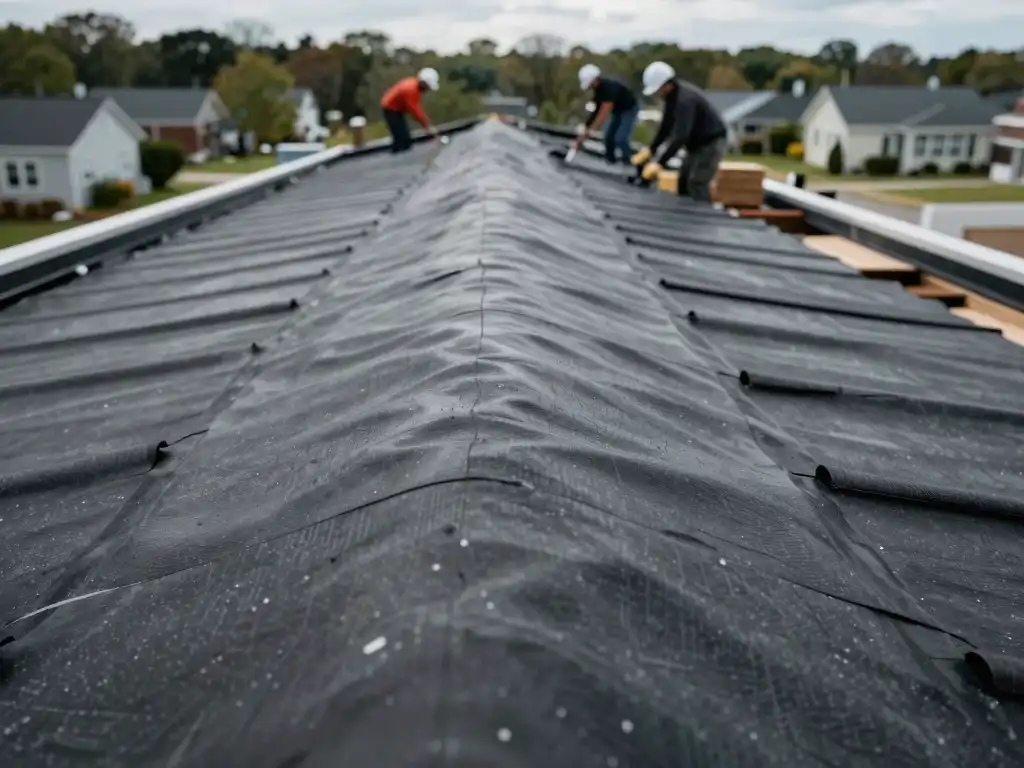
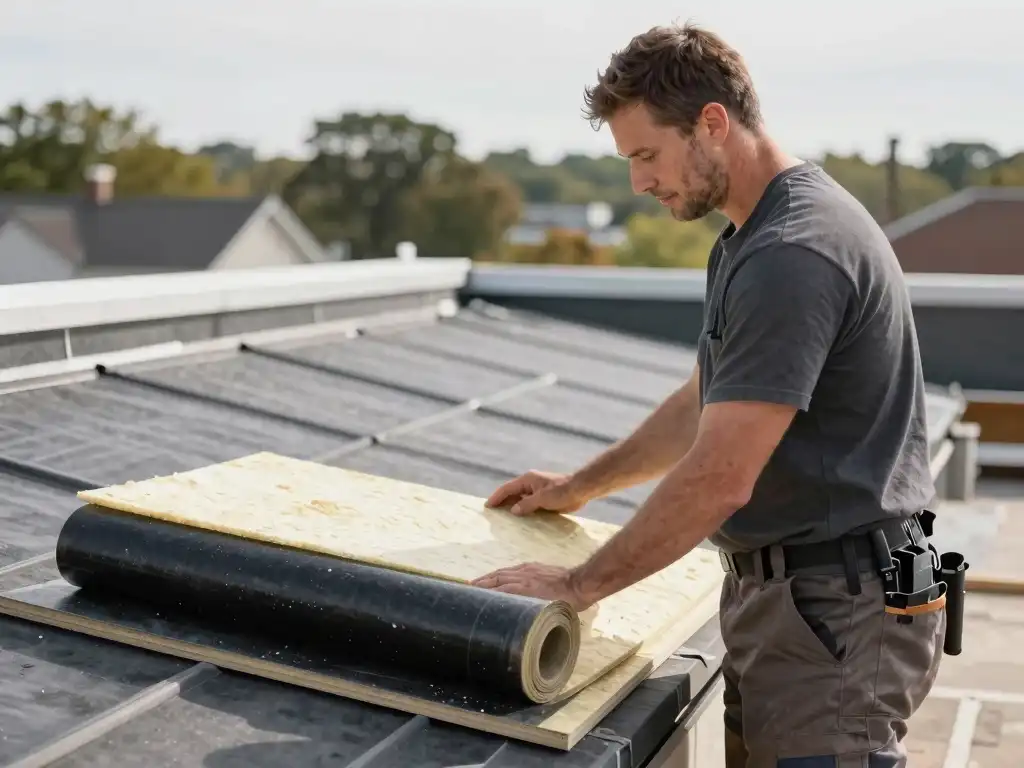
Flat roof insulation and ventilation decisions made at installation time determine how a building performs thermally for the entire service life of the membrane above it – and those decisions are significantly harder and more expensive to correct after the fact than they are to get right from the start. Insulated flat roofing assemblies using polyisocyanurate, EPS, or mineral wool boards beneath the membrane field establish the R-value that determines how much heating and cooling energy transfers through the roof plane. Inadequate insulation in a Suffolk County commercial flat roofing system isn’t just an energy performance issue – it creates the differential temperature conditions that accelerate thermal shock cracking in EPDM rubber roofing and modified bitumen roofing membranes over time.
Roof ventilation installation serves a different but equally important function in flat roofing systems – managing the moisture vapor that migrates upward from occupied building interiors. In cold Suffolk County winters, that vapor can condense within the insulation layer if the assembly isn’t designed with a proper vapor retarder and ventilation pathway. Saturated insulation beneath a flat roof membrane dramatically reduces R-value performance, adds weight to the structural deck, and creates the conditions that generate chronic flat roof leak repair calls that appear to originate from the membrane when the actual moisture source is below it.
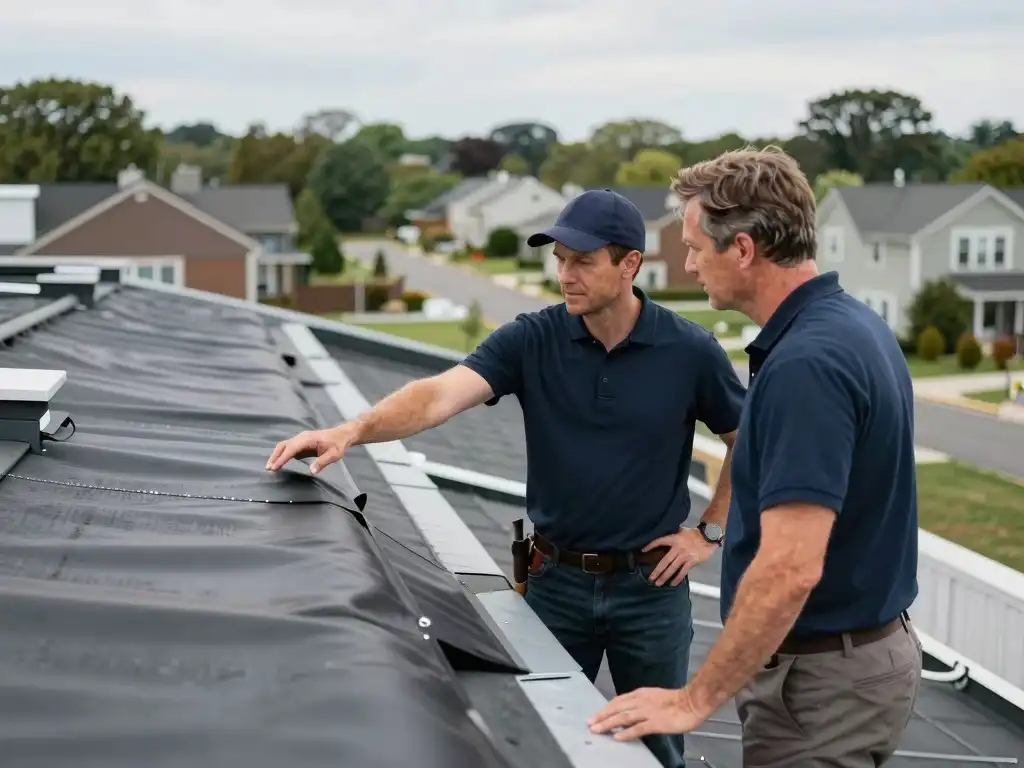
Excel Flat Roofing assesses insulation and ventilation requirements during every roof inspection – incorporating these factors into flat roof cost estimate presentations and making them central to every flat roof replacement and new flat roof installation recommendation across Suffolk County.

Insulation Types and Ventilation Approaches Used on Long Island Roofs

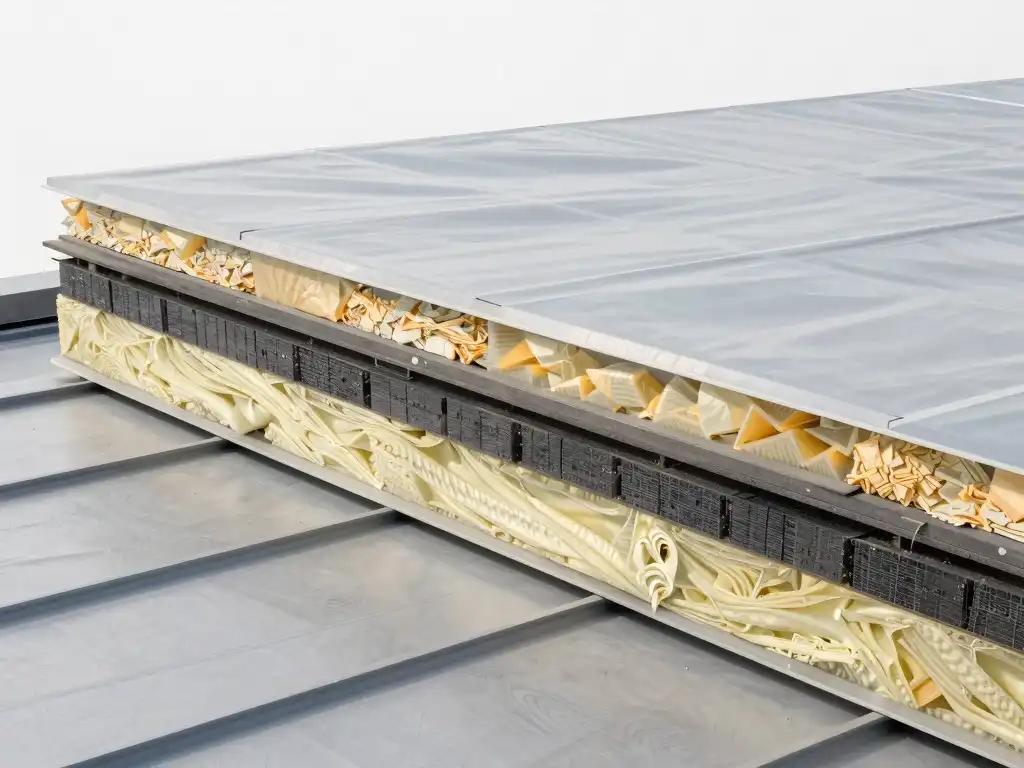
Flat roof insulation systems across Suffolk County range from polyisocyanurate board assemblies – the most widely specified choice for commercial flat roofing applications requiring high R-value per inch of thickness – to EPS foam boards used in residential flat roofing and light commercial structures, tapered insulation systems engineered to create drainage slope on otherwise flat decks, and cover board layers between the insulation and the membrane that provide surface compressive resistance and prevent point-load damage to the insulation below, with each assembly type requiring compatible roof membrane installation methods and vapor retarder placement that varies depending on whether the building is heated or conditioned year-round.
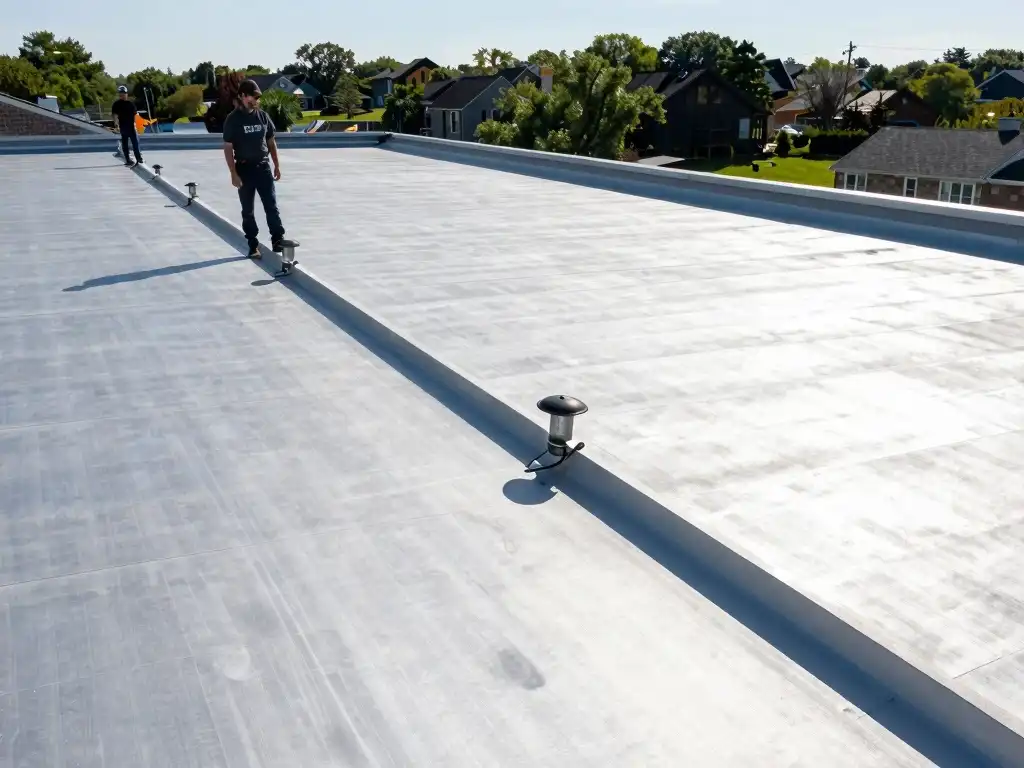
Roof ventilation installation in flat roofing systems uses either mechanical ventilation components, passively vented assemblies with specific air gap requirements, or fully adhered unventilated assemblies where the vapor retarder below the insulated flat roofing system is relied upon entirely to manage interior moisture migration – and selecting the wrong approach for Suffolk County’s winter humidity conditions creates the saturated insulation problems that generate emergency flat roof repair calls during the heating season.

Excel Flat Roofing

Improve Your Building's Thermal Performance With Proper Flat Roof Insulation

Whether you’re replacing an aging flat roof or upgrading insulation performance on an existing system, our certified roofers design insulated flat roofing assemblies for Suffolk County’s climate. Request a free roofing quote and find out where your roof’s thermal performance stands.

Why Choose Us

Insulation and Ventilation Done Right From the Ground Up

Improper insulation and ventilation inside a flat roofing assembly create moisture problems, premature membrane failure, and energy losses that no surface repair can fix. We get both right during installation – before they become expensive problems.

R-Value Specifications Met for New York Energy Code

Insulated flat roofing assemblies must meet minimum R-value requirements under current New York energy codes. We incorporate compliant insulation specifications into every project - protecting certificate of occupancy outcomes and roofing warranty eligibility simultaneously.

Vapor Retarder Placement Calculated, Not Assumed

Getting vapor retarder placement wrong causes condensation inside the insulation layer - leading to saturated decking that's invisible until significant structural damage has already developed. Placement follows building-specific climate calculations on every project.

Roof Ventilation Installation Specified for Each Building Type

Ventilation requirements differ between commercial flat roofing structures, residential properties, and multi-family roofing buildings. We design ventilation into the assembly based on your specific building use - not a generic one-size approach.

Thermal Bridging Through Fasteners Addressed During Design

Mechanically fastened insulation systems create thermal bridging that undermines energy performance across the entire roof assembly. We address fastener placement and insulation layering during design to minimize that performance loss on every installation.
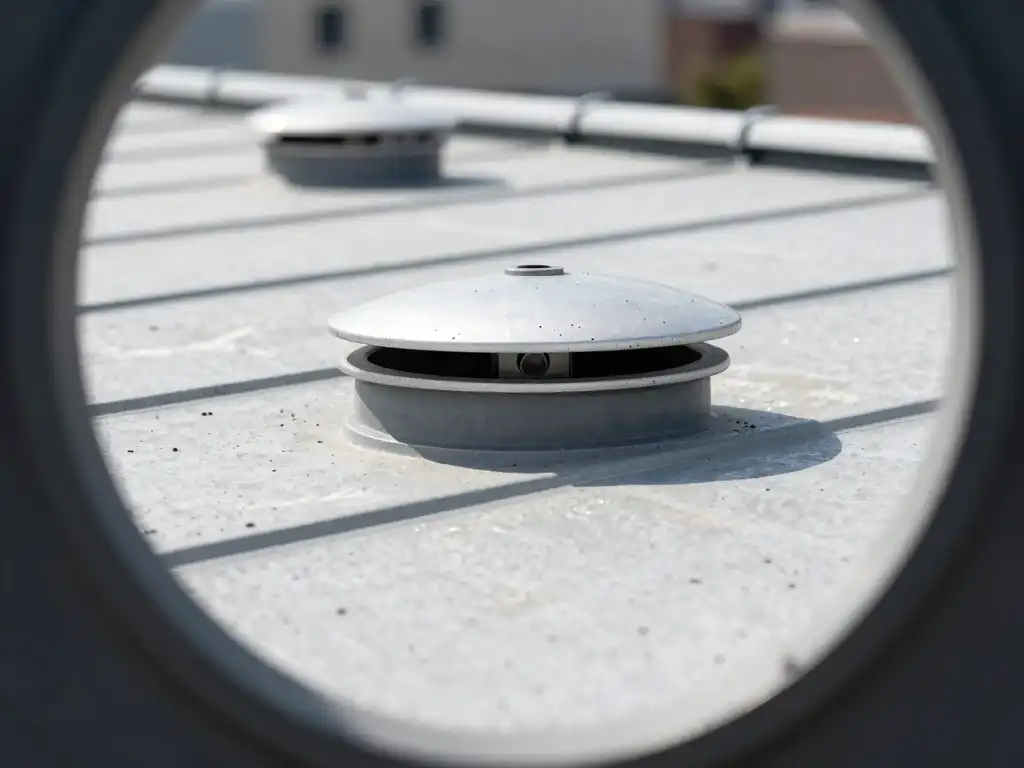
What Vapor Barriers Actually Do Inside a Suffolk County Flat Roof Assembly

Moisture doesn’t only enter a flat roof from the outside. In Suffolk County’s humid coastal climate, water vapor generated inside a building rises through the ceiling assembly and works its way into the roofing system from below – degrading insulated flat roofing layers, compromising the roof deck, and creating the kind of hidden moisture damage that only surfaces once it’s already caused significant structural harm. A vapor barrier is what stops that internal moisture migration before it reaches the components above.
Flat roof ventilation and insulation installation in Suffolk County New York

Where Vapor Barriers Fit in the Flat Roofing Assembly

A vapor barrier is installed between the interior ceiling assembly and the insulated flat roofing substrate – positioned to intercept rising moisture before it contacts the insulation layer. On commercial flat roofing Suffolk County projects, the vapor barrier specification is driven by the building’s interior humidity levels, occupancy type, and the R-value configuration of the insulation above it. Hospital roofing, apartment building roofing, restaurant flat roofing, and school roofing services installations all generate elevated interior humidity that makes proper vapor barrier specification non-negotiable rather than optional. Our licensed roofing contractors select vapor barrier materials matched to the specific assembly – whether the finished membrane is TPO roofing, EPDM roofing, modified bitumen roofing, or built up roofing – ensuring the full assembly performs as a unified system rather than a collection of independent layers.

What Happens When Vapor Barriers Are Missing or Incorrectly Installed

A missing or improperly lapped vapor barrier allows moisture to accumulate inside the insulated flat roofing assembly season after season – reducing thermal performance, adding structural load from absorbed water weight, and accelerating roof deck deterioration that preventive roof maintenance visits at the surface level will never catch. The result is typically discovered during a roof inspection services assessment when our certified roofers find saturated insulation beneath a membrane that shows no obvious surface damage. At that stage, the remediation scope expands beyond a straightforward roof membrane repair into a full insulation replacement – a significantly larger project that correct vapor barrier installation during the original flat roof installation Suffolk County would have prevented entirely. Excel Flat Roofing details every vapor barrier specification in writing before installation begins so property owners understand exactly what their assembly includes and why.

Thermal Performance Gains From Properly Insulated Flat Roofing Systems

Proper insulation and ventilation in a flat roofing system deliver benefits that extend well beyond the roofing trade itself – they affect building energy costs, occupant comfort, and structural longevity throughout the membrane’s full service life.

Measurable Utility Savings Year-Round

Correctly specified insulated flat roofing assemblies reduce heat transfer significantly - lowering heating costs in Suffolk County winters and cooling demand in summer on both residential and commercial flat roofing properties.

Moisture Damage Prevented Before It Starts

Proper vapor retarder placement and roof ventilation installation prevent interior moisture from condensing within the insulation layer - stopping the saturated insulation conditions that lead to premature flat roof failure and expensive deck repairs.

Extended Membrane Lifespan Through Thermal Stability

Adequate insulation reduces temperature differential across the membrane surface - minimizing the thermal expansion and contraction cycles that crack modified bitumen roofing and stress EPDM rubber roofing seams over time on Long Island.

Code Compliance Built Into Every Installation

Modern energy codes require minimum R-values for flat roofing installations across New York. We incorporate compliance into every insulated flat roofing specification - protecting certificate of occupancy outcomes and roofing warranty eligibility simultaneously.

Recognizing Insulation and Ventilation Problems in Flat Roof Systems

Saturated insulation, condensation issues, and ventilation failures in flat roofing systems often mimic membrane leak symptoms. This section helps Suffolk County property owners identify when the real problem is beneath the membrane, not above it.

Roofing Guide

Plain-Language Flat Roofing Guides Built for Long Island Property Owners

Covering materials, drainage, climate damage, maintenance schedules, and system comparisons – every guide in this section is written specifically for Suffolk County property owners making real flat roofing decisions on real Long Island buildings.
General flat roofing services in Suffolk County New York by Excel Flat Roofing

General Flat Roofing

Everything homeowners and building owners need to understand about flat roofing systems, materials, and long-term performance in Suffolk County.

Professional flat roofing contractor information in Suffolk County NY

General Info

New to flat roofing? Start here - clear, straightforward answers covering how these systems work and what to expect.

Residential roof extension construction in Suffolk County New York

Structures & Extensions

Flat roofing isn't one-size-fits-all. Learn how different building structures and extensions affect system selection, installation, and performance.

Flat roofing technical services and analysis in Suffolk County NY

Technical & Structural

Deck conditions, load requirements, and substrate compatibility - the technical side of flat roofing explained in plain, practical language.

Professional flat roofing materials used in Suffolk County New York

Materials & Systems

EPDM, TPO, PVC, modified bitumen, and built-up roofing compared - helping you choose the right system for your property.

Professional comparison of flat roofing systems in Suffolk County New York

Materials & Comparisons

Side-by-side breakdowns of the most common flat roof materials, covering cost, durability, maintenance demands, and climate suitability for Long Island.

Suffolk County NY home with newly installed skylights

Skylights & Windows

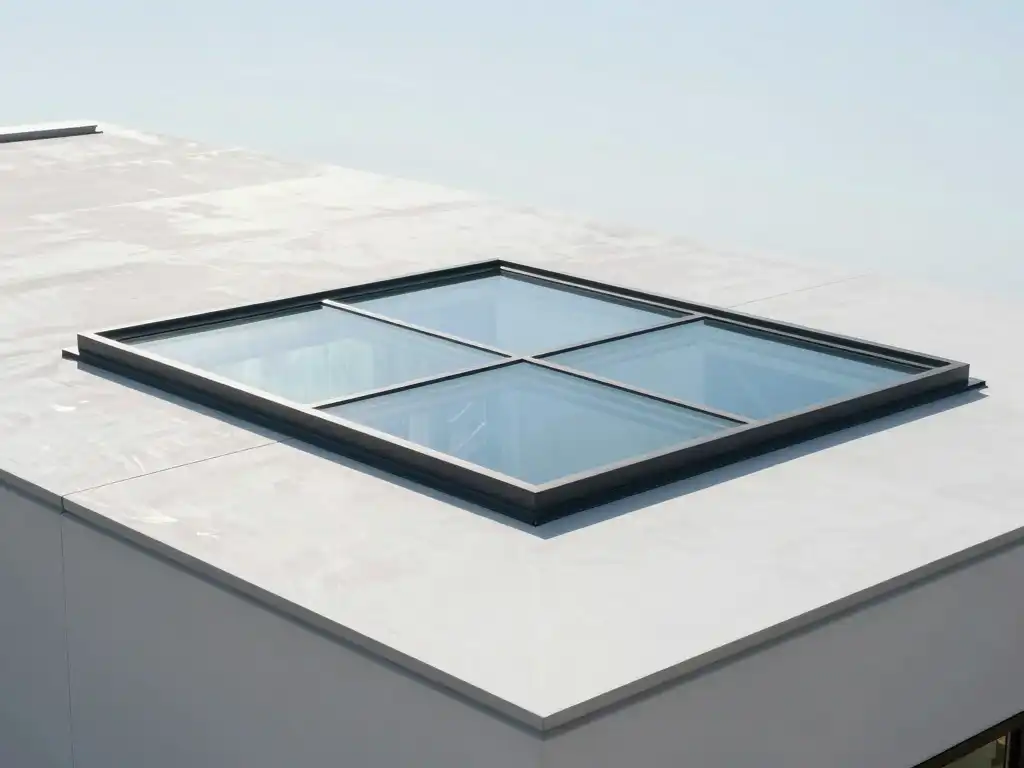
Adding a skylight to a flat roof changes everything about waterproofing and flashing. Here's what proper skylight installation actually involves.

Excel Flat Roofing installing roof insulation in Suffolk County NY home

Ventilation & Insulation

Poor roof ventilation and inadequate insulation drive up energy costs and shorten system lifespan - understand what your flat roof actually needs.

Flat roof drainage and slope system in Suffolk County New York

Drainage & Slope

Ponding water is flat roofing's biggest enemy. Discover how proper roof drainage solutions and slope design protect your building long-term.

Flat roof maintenance service in Suffolk County New York

Maintenance & Lifespan

Preventive roof maintenance extends the life of any flat roofing system - learn what to schedule, inspect, and never overlook.

Suffolk County NY flat roof affected by heavy rain and climate exposure

Problems & Climate

Storm damage, snow load, freeze-thaw cycles, and leaks - how Suffolk County's climate specifically affects flat roofing and what to watch for.

Testimonial

Energy-Efficient Outcomes Clients Report After Insulation Upgrades

Building owners and property managers across Suffolk County describe the thermal and energy performance improvements they experienced after new insulated flat roofing installations and ventilation system upgrades completed by our certified team.

Frequently Asked Questions

Roofing Insulation Questions Homeowners and Managers Ask Most

Why does flat roof insulation matter more than most owners realize?
Insulation in a flat roofing system does more than improve energy performance – it directly affects membrane lifespan, structural deck condition, and moisture management outcomes. A poorly insulated flat roof allows more thermal cycling across the membrane surface, accelerating the cracking and seam fatigue in EPDM rubber roofing and modified bitumen roofing that generates early flat roof leak repair needs. Saturated insulation adds structural load and creates the moisture-in-deck conditions that require full replacement of both insulation and membrane when discovered.
Polyisocyanurate board is the most widely used insulation in commercial flat roofing Suffolk County installations – it delivers the highest R-value per inch of any rigid board option and is compatible with all major membrane systems. For residential flat roofing and retrofit insulation additions, EPS foam boards are cost-effective and moisture-resistant. Tapered insulation systems are specified when drainage slope needs to be created rather than built into the deck – a common solution on flat roofing projects where ponding water repair is an ongoing issue.
A vapor retarder is a low-permeability layer installed within the flat roofing assembly to control moisture migration from warm interior spaces into the cold insulation above. In heated or conditioned buildings across Suffolk County, vapor retarder placement below the insulation layer prevents the condensation that saturates insulation and degrades both R-value and structural deck integrity over time. Its placement, permeance rating, and material compatibility with the roof membrane installation method above it are assessed during our technical roof inspection for every replacement or new construction project.
Roof ventilation installation on flat roofs uses mechanical exhaust and intake vents, ridge-to-eave airflow pathways in specific assembly types, or pressure-equalized ventilation at parapet walls to manage moisture vapor pressure differential between interior and exterior. Not all flat roofing assemblies require active ventilation – fully adhered membrane systems with well-placed vapor retarders may rely on the retarder rather than air movement for moisture control. Our assessment determines which approach is appropriate for each building’s interior conditions and year-round use pattern.
Wet insulation in a flat roofing system loses R-value, gains structural weight, and creates conditions that accelerate deck deterioration and membrane adhesion failure over time. If the moisture source isn’t resolved through accurate flat roof leak repair or flashing repair, saturated insulation will continue degrading regardless of how many surface repairs are applied above it. Once insulation becomes fully saturated, flat roof replacement with full tear-off and insulation replacement is typically required – which is why early detection through roof inspection services is so valuable before saturation reaches structural depth.
Schedule Your Free Roof Inspection
Get expert assessment and transparent pricing – no obligation, no pressure