
The Truth About Flat Roofs – What They Are and Whether You Actually Want One
The Truth About Flat Roofs – What They Are and Whether You Actually Want One
Home / General Info
Every property walkthrough we conduct starts with listening - not selling. Our assessments reflect actual roof conditions, not a predetermined scope designed to maximize project value at your expense.
Recommending EPDM over TPO roofing, or modified bitumen over single ply roofing, comes down to your building's specific conditions - not brand preference or margin considerations on our end.
Permitting requirements, insulated flat roofing R-value minimums, and local code compliance factors are walked through with every property owner before any project scope is agreed upon or scheduled.
From your first free roofing quote through final walkthrough, our team stays accessible. Property owners who understand their system get better long-term outcomes - and we actively support that understanding.
Lifespan on a flat roof isn’t a fixed number – it’s a range determined by material selection, installation quality, maintenance consistency, and how much weather stress the system absorbs year after year. Suffolk County’s coastal humidity, freeze-thaw cycling, and seasonal storm exposure all factor into how long any given flat roofing system performs before it needs significant attention.
Material choice is the single biggest variable in how long a flat roof lasts. TPO roofing and PVC roofing systems installed by licensed roofing contractors typically perform between 20 and 30 years under normal conditions. EPDM roofing and rubber roofing systems carry similar lifespans when seams are properly maintained and roof coating services are applied at recommended intervals.
Modified bitumen roofing and torch down roofing systems generally perform well for 15 to 20 years before flat roof replacement Suffolk County becomes the more practical path forward. Built up roofing systems, one of the most durable options for commercial flat roofing Suffolk County and industrial flat roofing applications, can exceed 30 years with consistent preventive roof maintenance and periodic roof resurfacing.
Understanding flat roofing terminology and system basics helps property owners ask the right questions, identify vague proposals, and verify that contractor recommendations actually match what their specific roof and budget need.
Unnecessary flat roof replacement, mismatched membrane repairs, and skipped preventive roof maintenance all trace back to decisions made without accurate information - knowledge prevents the most expensive mistakes flat roof owners make.
Understanding membrane lifespan, flat roof cost estimate factors, and when repair vs. replacement makes financial sense allows property owners to plan roofing investments accurately rather than reacting to surprises and emergencies.
An informed property owner is easier to serve well. Accurate descriptions of symptoms, documented maintenance history, and system familiarity all lead to faster diagnosis and better outcomes on every flat roofing visit.
The Truth About Flat Roofs – What They Are and Whether You Actually Want One
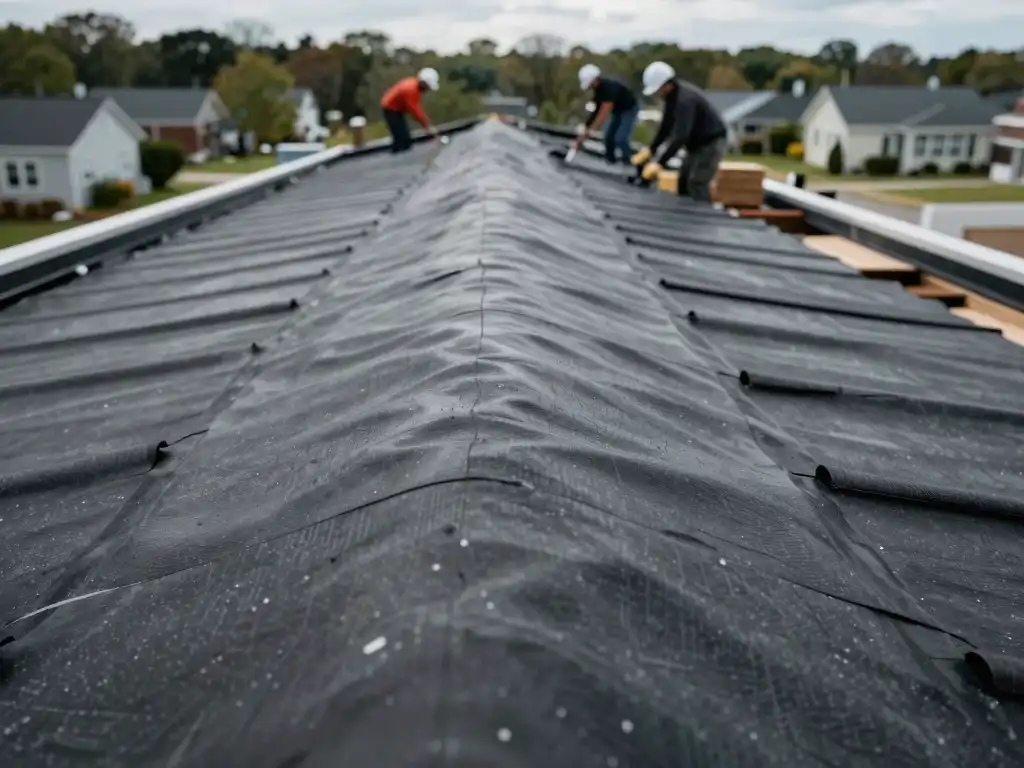
What "flat" really means, why low-slope roofs behave nothing like pitched ones, and what that changes about how they get built and looked after.
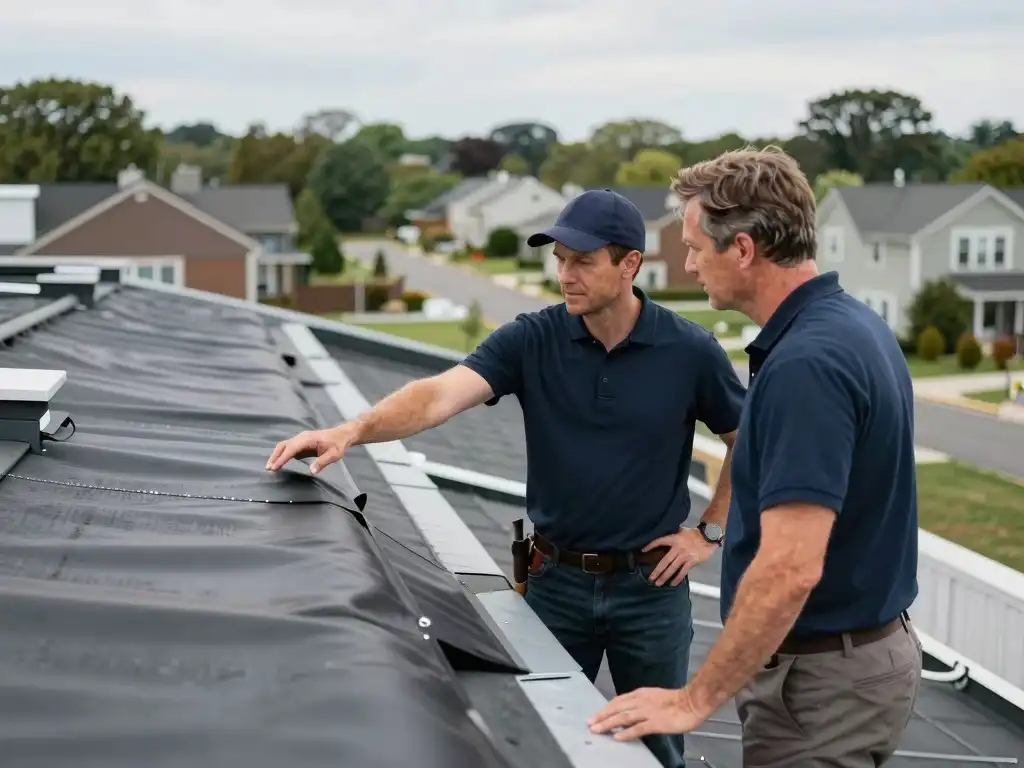
The first questions answered: rough cost ranges, how long a job takes, which permits apply, and what to expect while the work is happening.
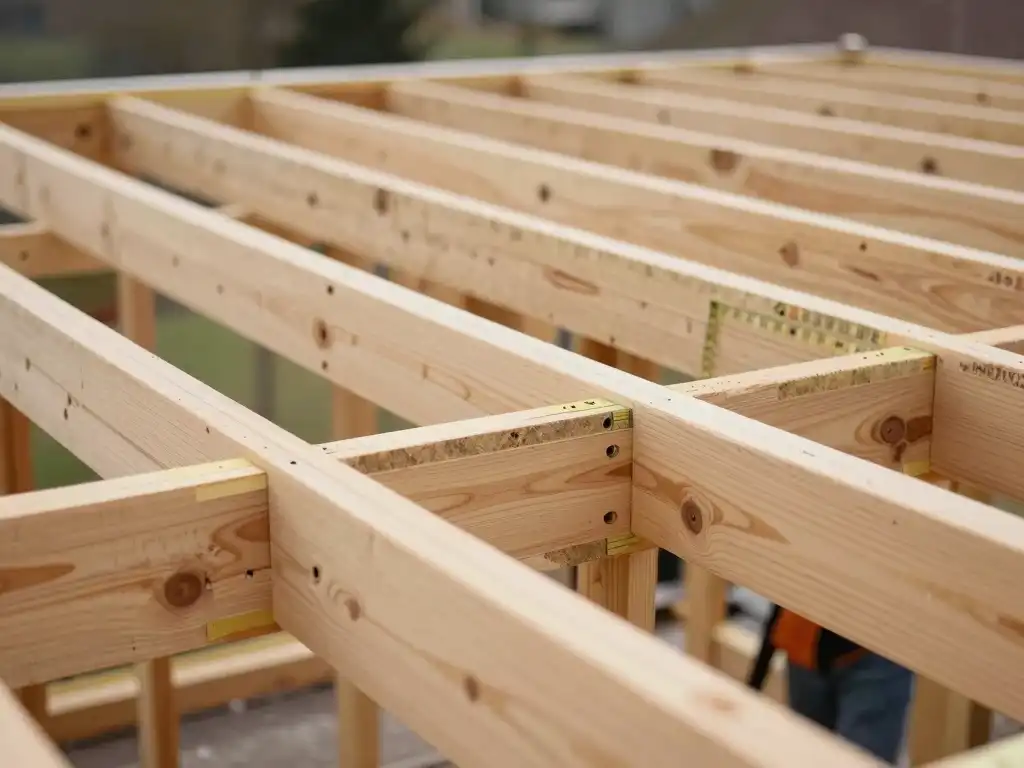
How flat roofs sit on additions, dormers, and rear extensions, and how the structure underneath carries snow, foot traffic, and rooftop equipment.
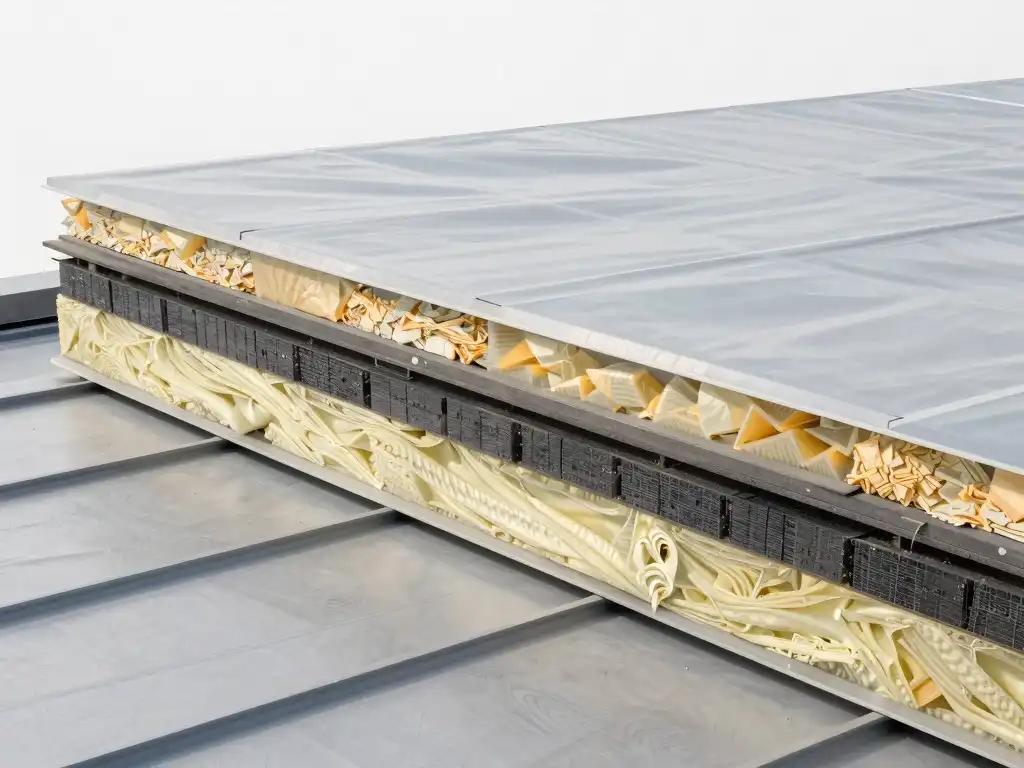
Decking, substrate, slope, fasteners, and the structural movement a membrane has to ride out without splitting.
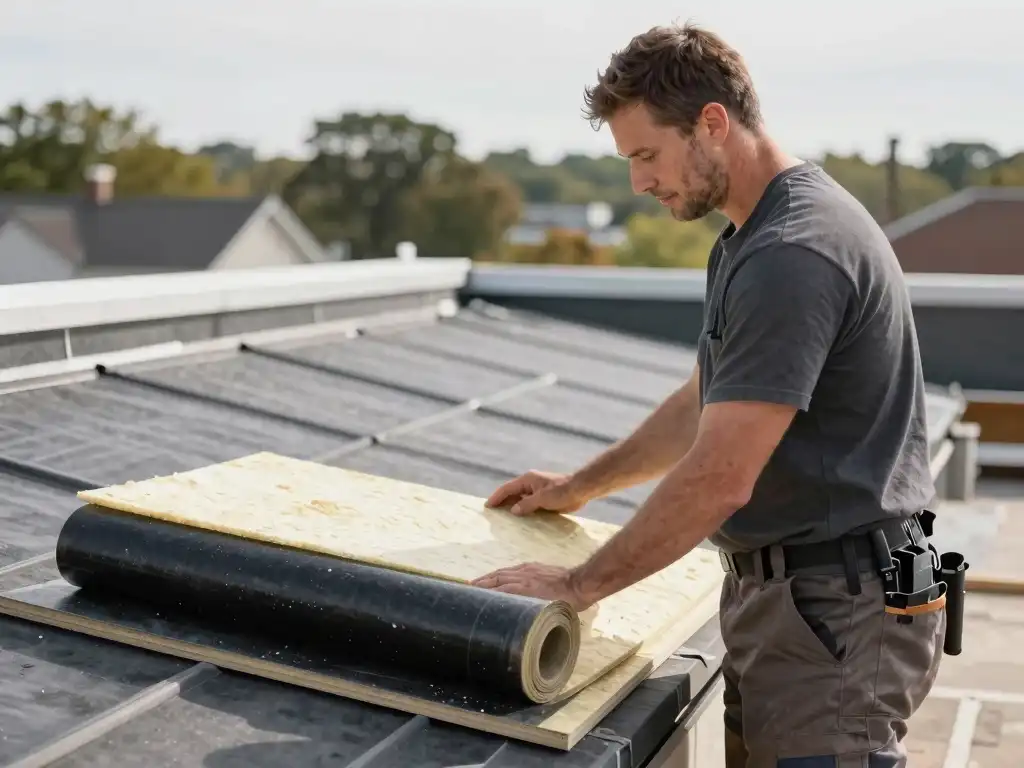
The main membrane families, TPO, PVC, EPDM, modified bitumen, and single-ply rubber, and how each one is actually put down.
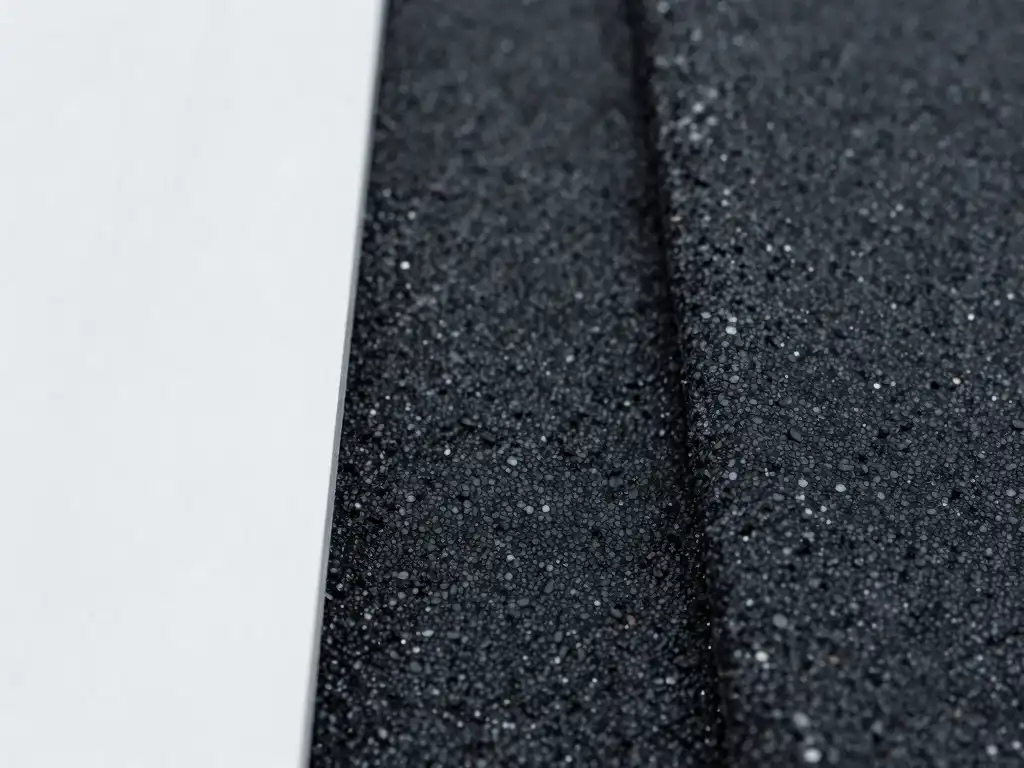
The membranes head to head: which one holds up best for your building, your budget, and your exposure to sun and weather.
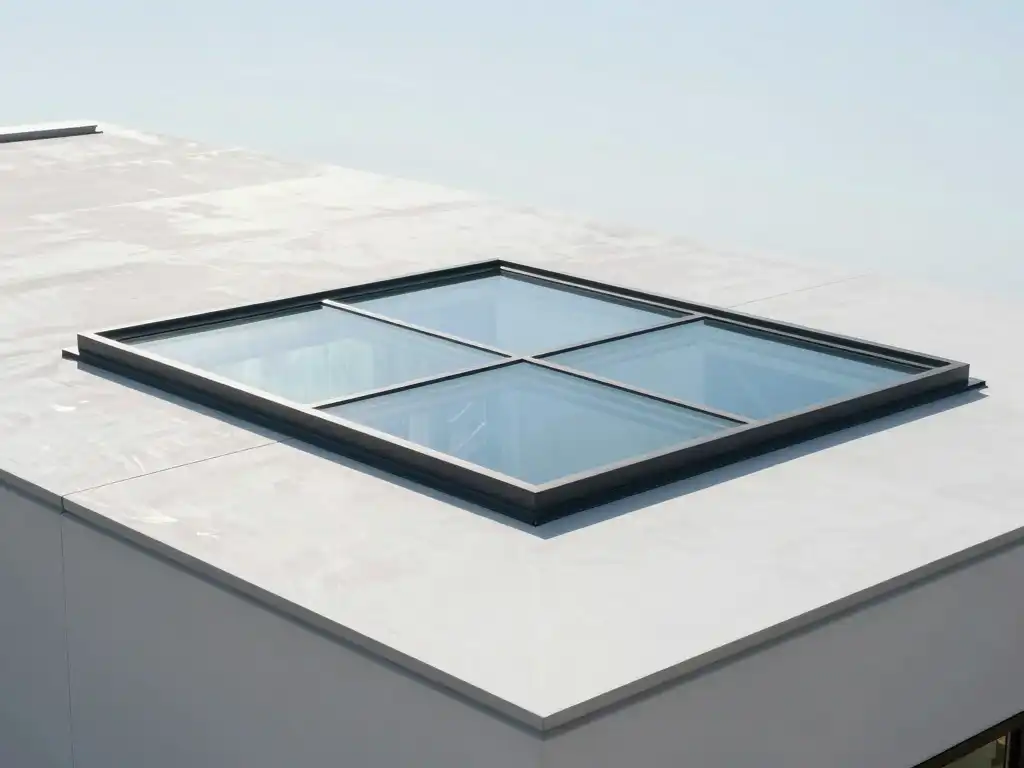
Curbs, counter-flashing, and the details that keep a skylight from becoming the first place the roof leaks.
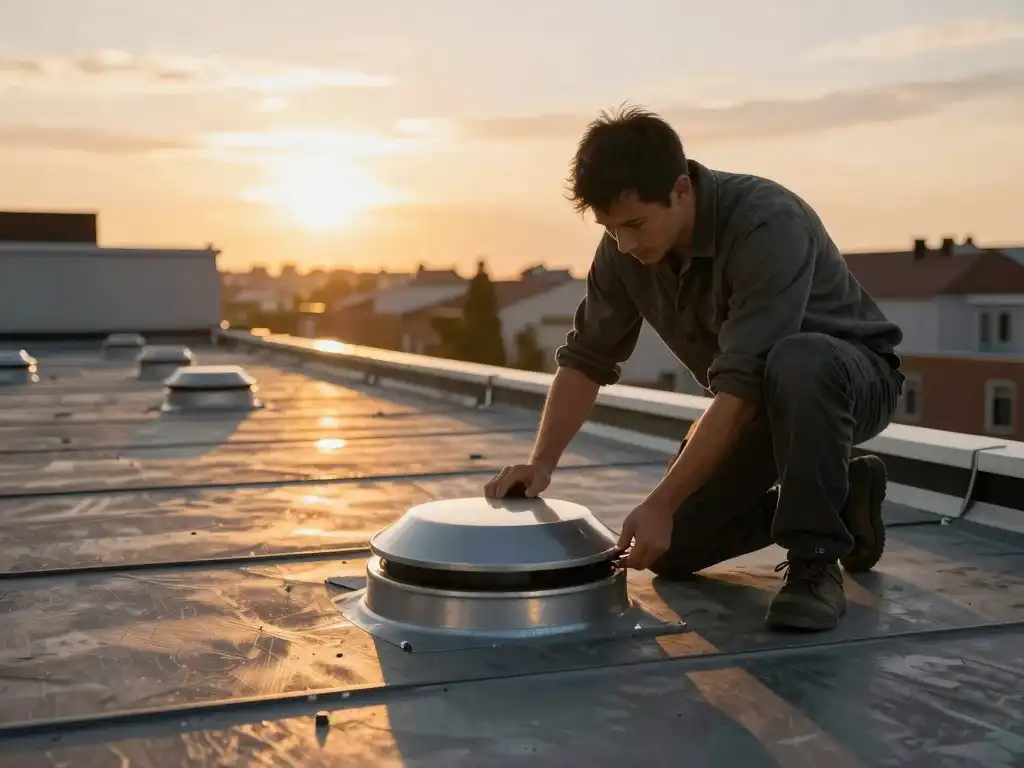
Tapered insulation, R-value, condensation control, and venting that stops moisture from building up beneath the membrane.
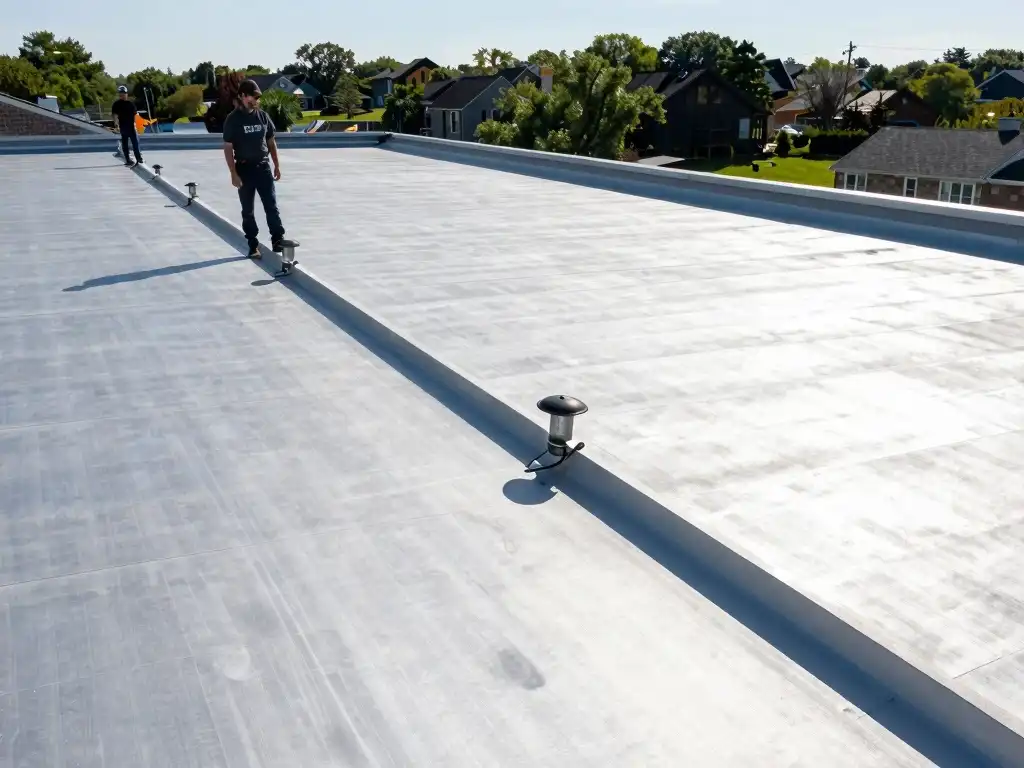
Drains, scuppers, tapered systems, and why getting water off the roof matters more than nearly anything else you can do for it.
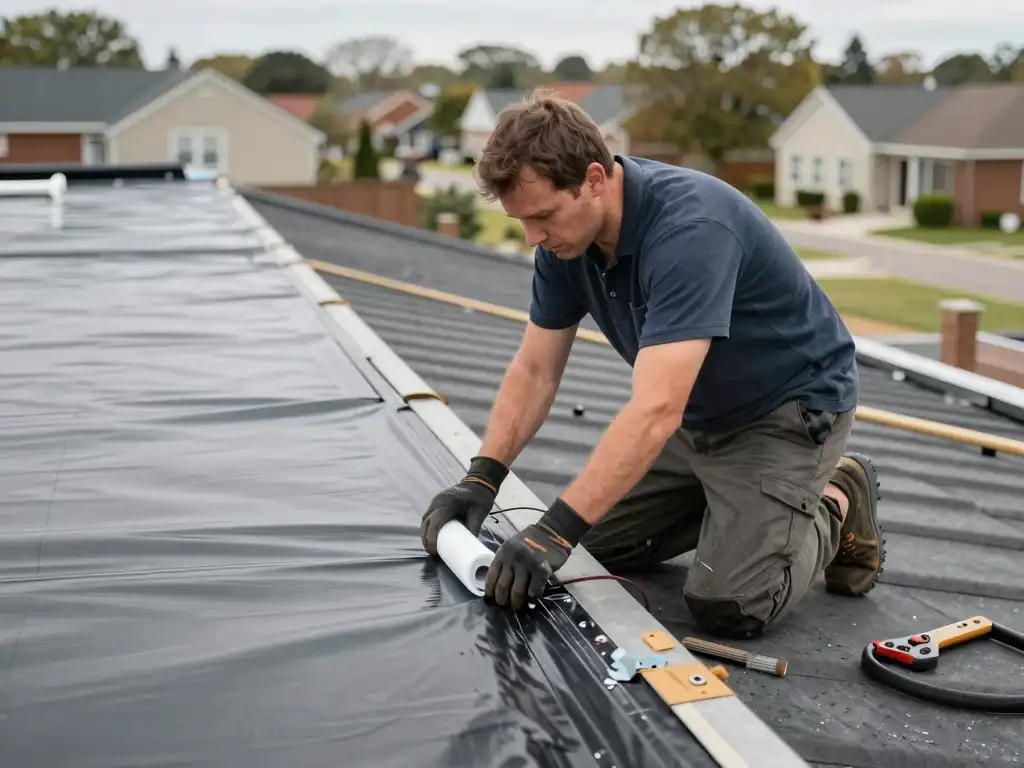
What a flat roof needs each year, and what actually carries it to the top end of its rated life instead of the bottom.
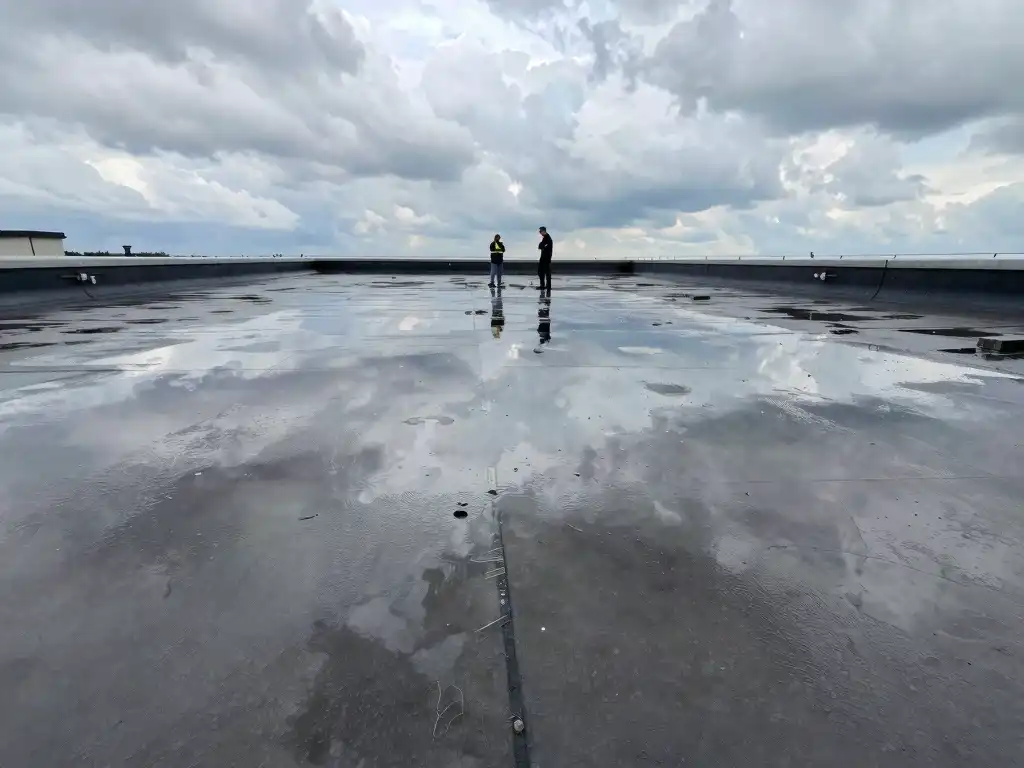
Ponding, blistering, wind uplift, and snow load, and how the coastal weather off the South Shore drives each one.