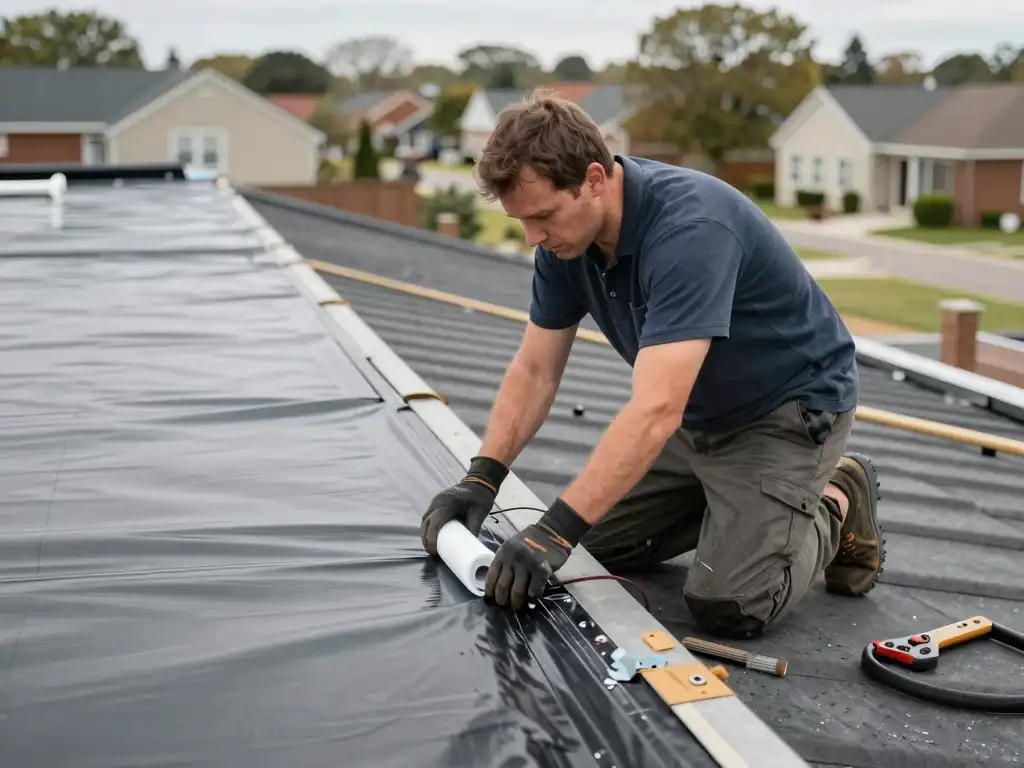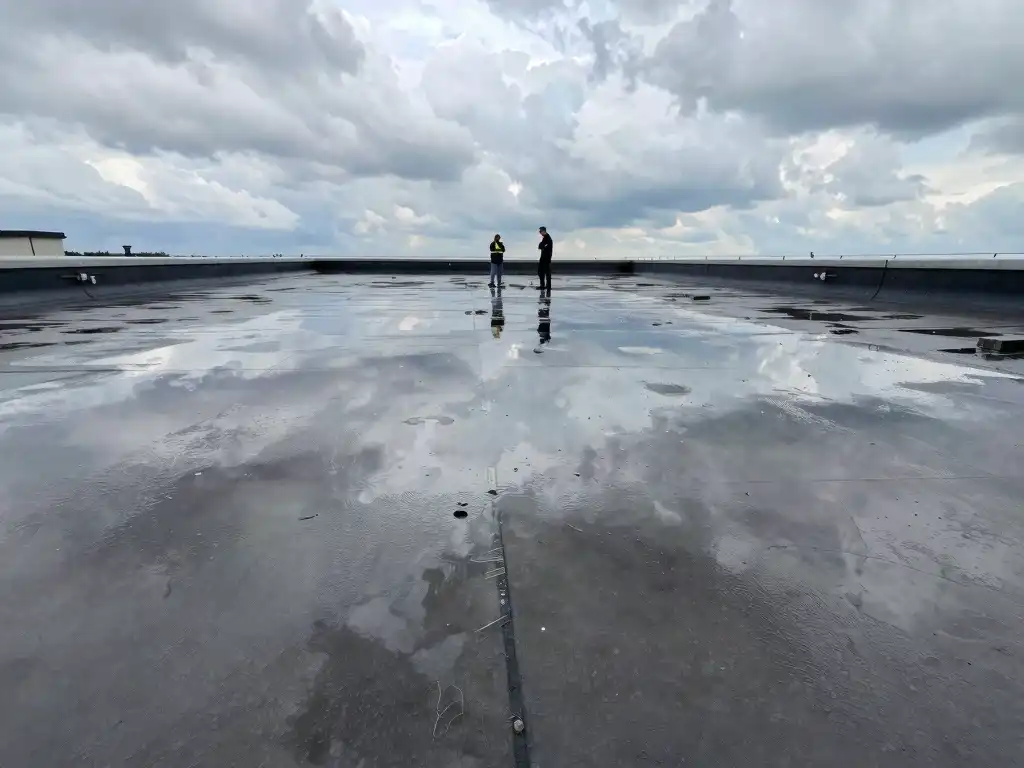
The Technical Side of Roofing Matters a Lot More Than Most People in Suffolk County Realize

Deck conditions, load requirements, and substrate compatibility – the technical side of flat roofing explained in plain, practical language.

Structural Factors Behind Every Reliable Flat Roof Installation

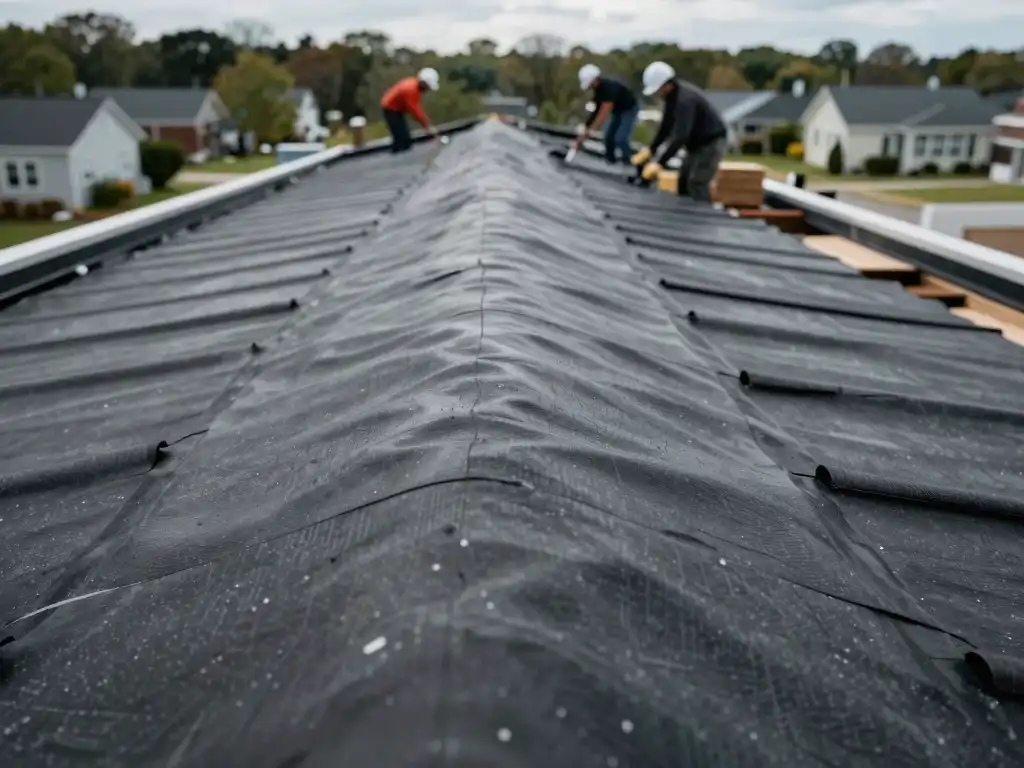
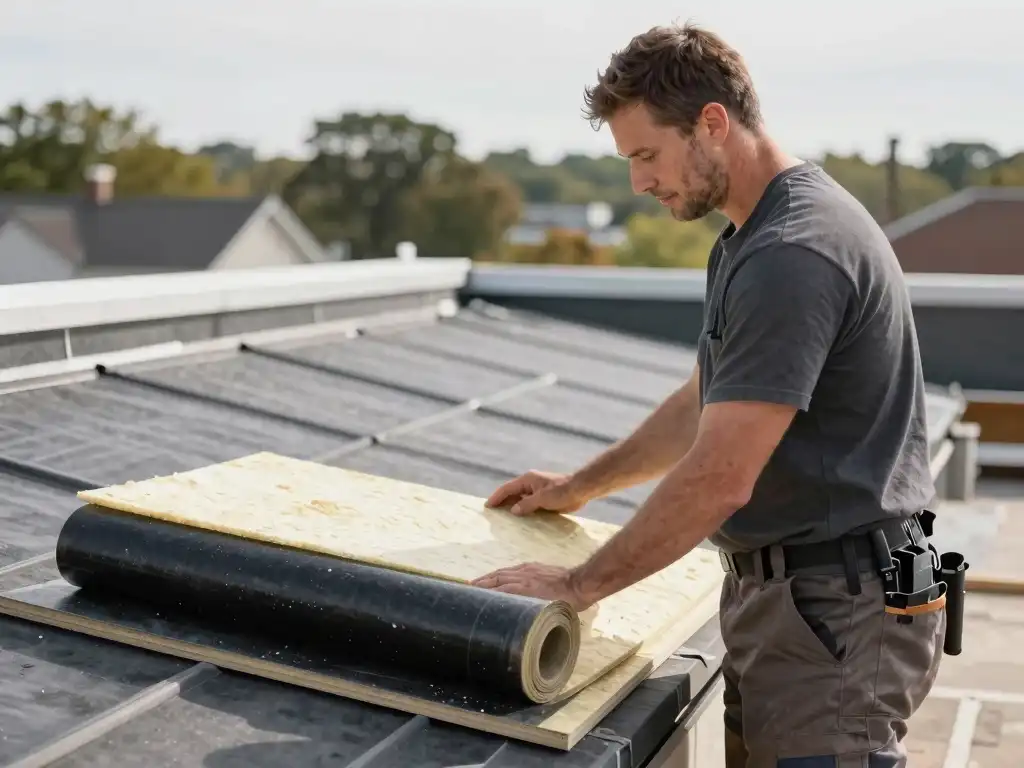
Flat roof performance is determined long before membrane material touches the deck. The substrate beneath the membrane – its material type, moisture content, structural integrity, and flatness – establishes the performance ceiling for everything installed above it. A technically correct roof membrane installation on a deteriorated or compromised deck will fail ahead of its expected lifespan regardless of material quality, manufacturer reputation, or installation precision. This is why deck assessment is the non-negotiable first step before any flat roofing project proceeds across Suffolk County.
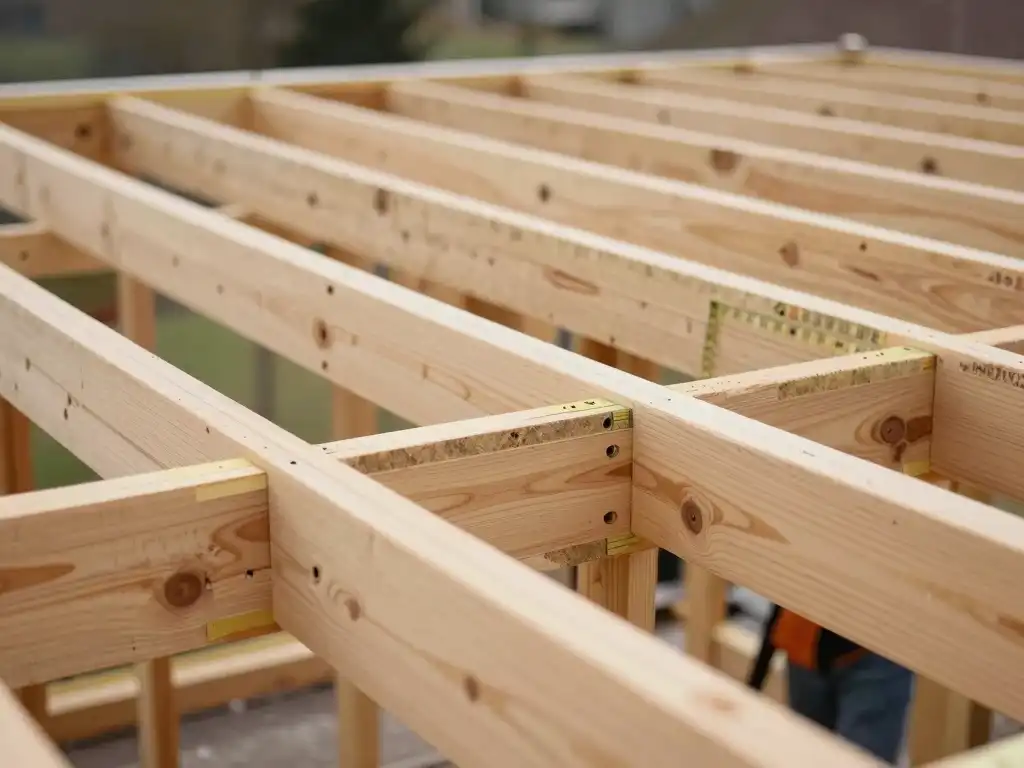
Structural factors that directly affect flat roof performance include deck material type – whether steel, concrete, wood plank, or OSB – and its current condition, the live and dead load capacity relative to what the new system will impose, the intended thermal separation between interior and exterior, and the slope profile that determines whether proper roof drainage solutions are achievable without structural modification. Flat roof snow load is a particularly relevant structural consideration across Long Island, where accumulated snow weight creates stress on both the deck and the membrane during winter months. Scupper installation placement, roof drain repair requirements, and coping cap installation positioning all interact with structural conditions in ways that must be assessed before scope is defined.
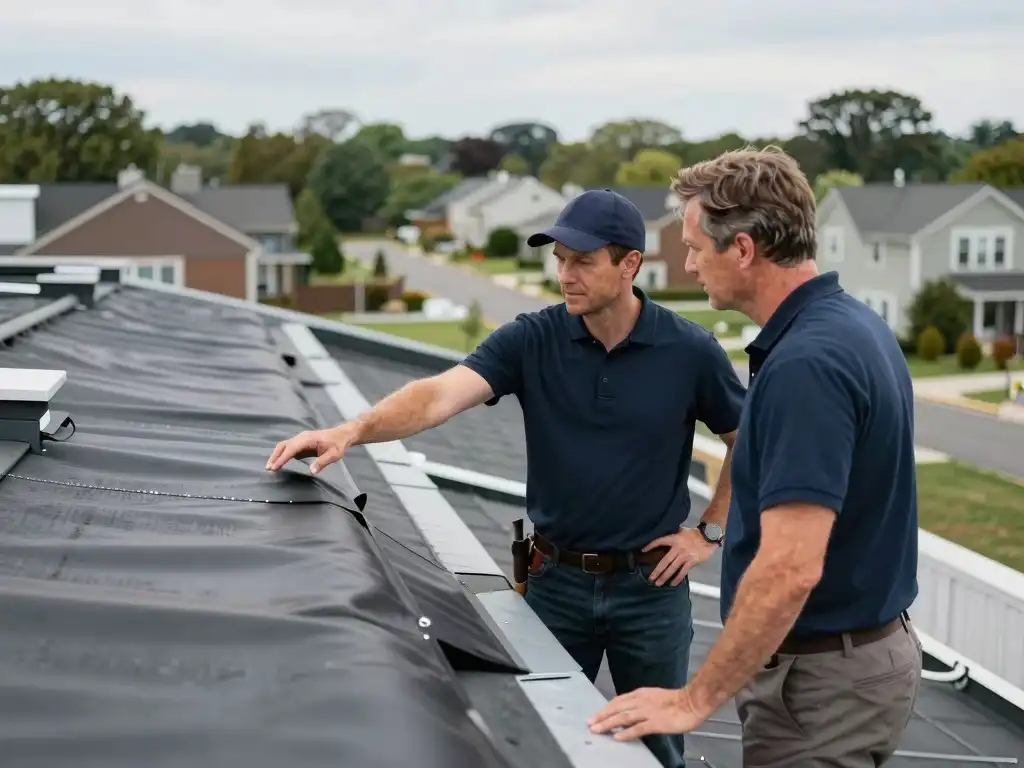
Our certified roofers and licensed roofing contractors assess all of these factors during the initial roof inspection – producing documentation that supports an accurate flat roof cost estimate and a system recommendation grounded in what the structure can actually support and sustain over its full intended service life.

Load Considerations, Deck Types, and Membrane Compatibility Explained

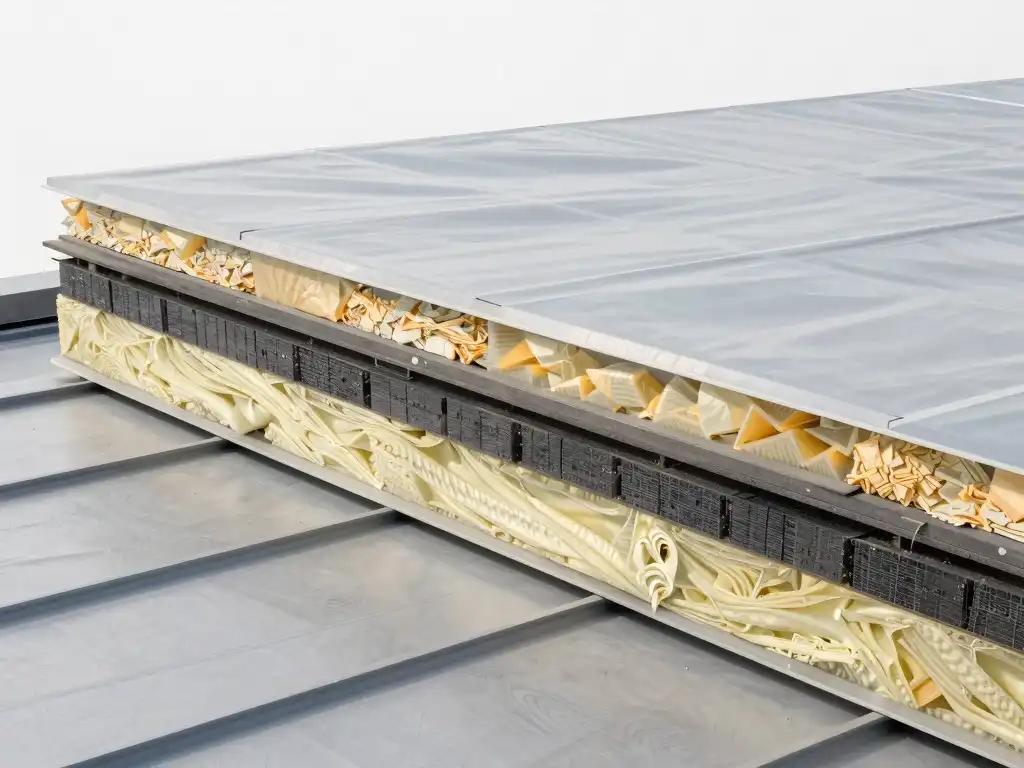
Structural load capacity, deck material composition, and membrane-to-substrate compatibility are three technical factors that interact on every flat roofing project in ways that directly determine whether the system reaches its rated lifespan – a steel deck supporting a built up roofing assembly behaves differently under flat roof snow load than a wood-framed residential deck carrying a torch down roofing modification of the same weight, and specifying without accounting for those differences creates warranty-voiding installation errors that show up as premature membrane failure, adhesion loss, or moisture infiltration that compromises the insulated flat roofing layer and forces flat roof replacement years ahead of schedule.
Our technical assessment process documents deck condition, existing fastener pullout resistance, insulation type and thickness, vapor retarder placement, and drainage slope at every point before a single square foot of single ply roofing or modified bitumen roofing is ordered – ensuring that every flat roof installation across Suffolk County is technically built on a foundation that matches the membrane system above it rather than working against it.

Excel Flat Roofing

Get a Structural Roof Assessment Before Any Project Begins

Our licensed flat roof contractors assess deck conditions, load factors, and drainage slope before recommending any system. Request a free roofing quote and roof inspection for your Suffolk County property – no obligation required.

Why Choose Us

Technical Precision Separates Lasting Installations From Early Failures

The difference between a flat roof that performs for 25 years and one that fails in five comes down to technical execution. Excel Flat Roofing treats every structural and installation detail as non-negotiable – not optional.

Deck Condition Assessed Before Any Membrane Goes Down

Compromised decking concealed beneath old roofing material causes new system failures from day one. We inspect and document structural deck conditions completely before any flat roof installation scope is finalized or priced.

Fastening Patterns, Adhesion Methods, and Seam Specs Followed

Membrane attachment isn't a field judgment call - it's a technical specification. Every fastening pattern, adhesion method, and seam overlap distance we use meets manufacturer installation requirements without deviation or shortcut.

Roof Ventilation Installation Addressed as a Structural Priority

Inadequate ventilation creates moisture accumulation inside insulation layers that destroys decking from below. We incorporate roof ventilation installation requirements into every project's technical specification - not as an afterthought after problems develop.

Load Calculations Completed for Every Flat Roof Project

Flat roof snow load capacity, equipment weight, and membrane system mass all factor into structural compliance. We verify load conditions against building capacity before specifying any insulated flat roofing assembly for installation.

Why Fire Ratings on Suffolk County Flat Roofs Are Never Optional Requirements

Fire ratings on flat roofing systems aren’t bureaucratic formalities – they’re structural safety classifications that determine how a roof assembly responds under real fire exposure conditions.

In Suffolk County, commercial flat roofing Suffolk County properties, multi family roofing buildings, and any structure serving public occupancy must meet specific fire resistance requirements that vary by building type, occupancy classification, and local code jurisdiction. Excel Flat Roofing ensures every installation we complete is specified, documented, and installed to meet those requirements without exception.

How Fire Ratings Apply Across Different Flat Roofing Systems

Not every flat roofing material carries the same fire resistance classification. TPO roofing and PVC roofing systems are inherently fire-resistant membrane options that meet Class A fire ratings when installed over compatible roof decks – making them the preferred choice for school roofing services, hospital roofing, and office building roofing projects where occupancy risk demands the highest rated assembly.

EPDM roofing and modified bitumen roofing systems can achieve Class A ratings when installed as part of a complete assembly that includes the correct insulated flat roofing layers, deck type, and fastening method specified together. Built up roofing systems have a long track record in fire-rated assemblies for industrial flat roofing and warehouse roofing applications where Class A or Class B ratings are required by the building’s occupancy classification and insurance carrier simultaneously.

What Our Licensed Team Verifies Before Every Fire-Rated Installation

Meeting a fire rating on paper and meeting it in the field are two different things. Our licensed roofing contractors verify that every component in the roofing assembly – membrane system, insulated flat roofing substrate, fastening pattern, and flashing repair detailing – matches the tested assembly configuration the rating actually applies to. 

 Substituting a single component outside the tested assembly invalidates the fire rating regardless of how the finished roof looks from the surface. Our certified roofers document every assembly specification at installation and provide written roofing warranty terms that confirm the completed system meets the required rating – giving property managers, HOA roofing contractor accounts, and property management roofing clients the documentation they need for insurance compliance and building inspections without chasing paperwork after the job is done.

Investing in Technical Accuracy Prevents Long-Term Roofing Failures

The technical details of a flat roof installation determine its outcome for decades. These are the performance gains Suffolk County property owners see when structural and technical accuracy is prioritized from the first assessment onward.

Membranes That Actually Perform as Specified

A technically sound flat roof installation - one matched to actual deck conditions and structural load - performs consistently through its rated lifespan rather than requiring emergency flat roof repair within the first few years.

Full Roofing Warranty Coverage Properly Preserved

Manufacturer roofing warranty eligibility depends on technical installation compliance. Deviating from deck prep, membrane adhesion, and fastening specifications voids coverage - meaning technical accuracy directly protects the warranty value of every flat roofing investment.

Reduced Callback Rate on Structurally Sound Installations

Properly assessed and technically installed flat roofs generate far fewer post-installation flat roof leak repair calls - because the conditions that create most recurring failures are identified and corrected before the membrane ever goes down.

Accurate Project Scoping Based on Real Conditions

Technical assessment before quoting produces a flat roof cost estimate that reflects actual conditions - eliminating the scope changes, cost overruns, and post-commitment surprises that come from installing without first knowing what's truly beneath the surface.

Planning Flat Roof Projects Around Structural Realities on Long Island

Deck type, load capacity, drainage slope, and snow load tolerances shape every flat roofing decision made across Suffolk County. This section explains what property owners and managers need to know before any technical project begins.

Roofing Guide

Plain-Language Flat Roofing Guides Built for Long Island Property Owners

Covering materials, drainage, climate damage, maintenance schedules, and system comparisons – every guide in this section is written specifically for Suffolk County property owners making real flat roofing decisions on real Long Island buildings.
General flat roofing services in Suffolk County New York by Excel Flat Roofing

General Flat Roofing

Everything homeowners and building owners need to understand about flat roofing systems, materials, and long-term performance in Suffolk County.

Professional flat roofing contractor information in Suffolk County NY

General Info

New to flat roofing? Start here - clear, straightforward answers covering how these systems work and what to expect.

Residential roof extension construction in Suffolk County New York

Structures & Extensions

Flat roofing isn't one-size-fits-all. Learn how different building structures and extensions affect system selection, installation, and performance.

Flat roofing technical services and analysis in Suffolk County NY

Technical & Structural

Deck conditions, load requirements, and substrate compatibility - the technical side of flat roofing explained in plain, practical language.

Professional flat roofing materials used in Suffolk County New York

Materials & Systems

EPDM, TPO, PVC, modified bitumen, and built-up roofing compared - helping you choose the right system for your property.

Professional comparison of flat roofing systems in Suffolk County New York

Materials & Comparisons

Side-by-side breakdowns of the most common flat roof materials, covering cost, durability, maintenance demands, and climate suitability for Long Island.

Suffolk County NY home with newly installed skylights

Skylights & Windows

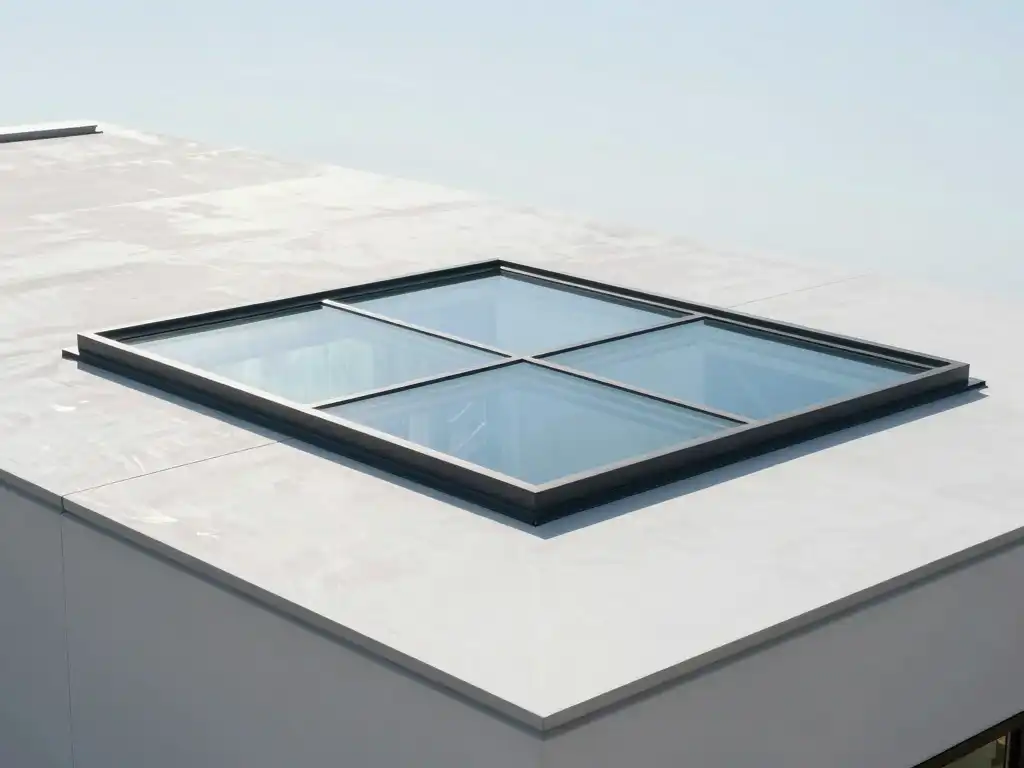
Adding a skylight to a flat roof changes everything about waterproofing and flashing. Here's what proper skylight installation actually involves.

Excel Flat Roofing installing roof insulation in Suffolk County NY home

Ventilation & Insulation

Poor roof ventilation and inadequate insulation drive up energy costs and shorten system lifespan - understand what your flat roof actually needs.

Flat roof drainage and slope system in Suffolk County New York

Drainage & Slope

Ponding water is flat roofing's biggest enemy. Discover how proper roof drainage solutions and slope design protect your building long-term.

Flat roof maintenance service in Suffolk County New York

Maintenance & Lifespan

Preventive roof maintenance extends the life of any flat roofing system - learn what to schedule, inspect, and never overlook.

Suffolk County NY flat roof affected by heavy rain and climate exposure

Problems & Climate

Storm damage, snow load, freeze-thaw cycles, and leaks - how Suffolk County's climate specifically affects flat roofing and what to watch for.

Testimonial

Feedback on Technical and Structural Flat Roofing Projects Completed

Property managers, developers, and building owners across Suffolk County share what our technically rigorous flat roofing approach delivered – from structural deck assessments and system selection through installation completion and post-project performance.

Frequently Asked Questions

Answering Technical Flat Roofing Questions for Property Owners

Why does deck condition matter so much for flat roofing?
The deck is the structural foundation for everything installed above it. Membrane adhesion, fastener pull-through resistance, moisture migration, and long-term flat roof waterproofing performance all depend on the deck being sound, flat, and dry before roof membrane installation begins. Compromised decking – whether from previous flat roof leak repair water infiltration, rot in wood substrates, or corrosion in steel panels – must be corrected before any new system goes down, or the failure cycle simply restarts on the new membrane.
Flat roof snow load refers to the weight of accumulated snow that a flat roof’s structural system must support without deflection or failure. Long Island winters regularly deposit significant snow accumulation on flat roofing surfaces – and unlike pitched roofs where snow slides off, flat roofs hold it until it melts or is cleared. Buildings where structural capacity is marginal need snow load assessment before roof replacement, as adding new insulated flat roofing assembly layers increases dead load on the same deck.
Different deck types are compatible with different attachment methods for flat roofing membranes. Steel decks accept mechanically fastened single ply roofing effectively. Wood decks require specific adhesive products that account for dimensional movement. Concrete decks suit fully adhered systems best. Specifying the wrong attachment method voids roofing warranty coverage and creates the membrane separation that leads to chronic flat roof repair issues – which is why deck assessment precedes material selection on every project we scope.
Aging commercial flat roofing Suffolk County structures often present with insulation compression from years of rooftop traffic, failed coping cap installation seals at parapet walls, deteriorated scupper installation and roof drain repair needs from corrosion, and modified bitumen roofing or built up roofing blistering from trapped moisture beneath the membrane surface. These technical conditions are detectable during a thorough roof inspection and typically inform whether flat roof restoration through roof coating services or full flat roof replacement is the more practical path.
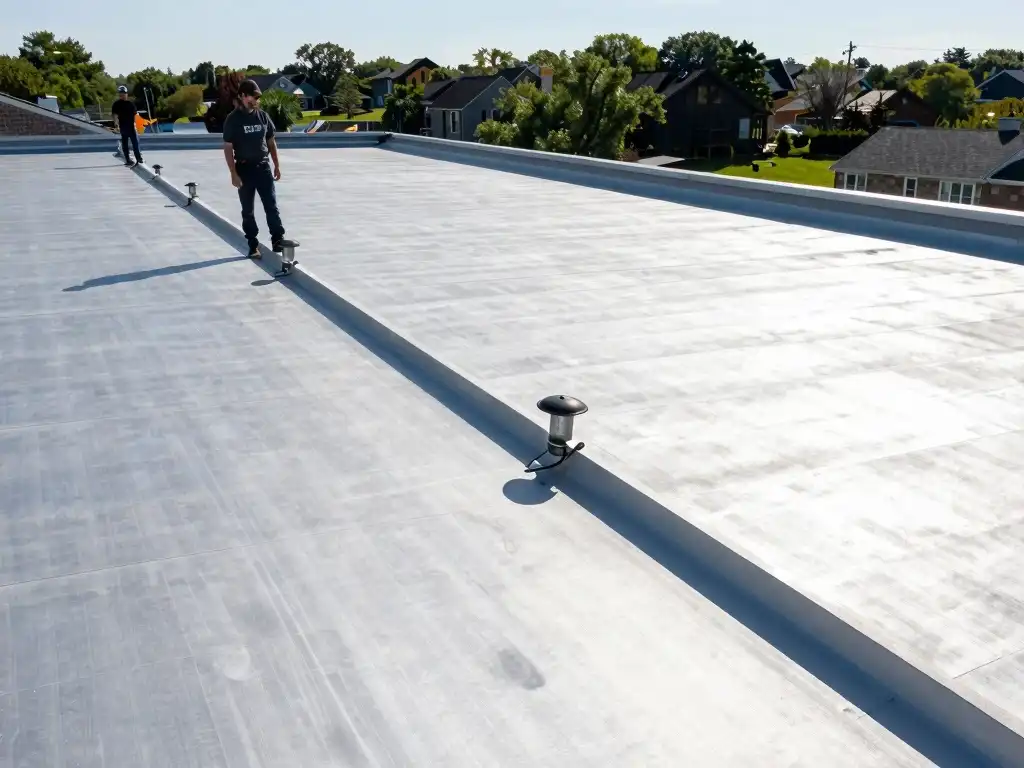
Drainage slope is evaluated during the structural assessment by measuring the actual deck pitch across the full roof field. Where insufficient slope exists, tapered insulation systems can be engineered into the flat roof installation to create positive drainage to roof drain and scupper installation locations. Correcting inadequate slope during installation eliminates chronic ponding water repair cycles – one of the most predictable technical failures on Suffolk County flat roofs that weren’t originally designed with proper drainage engineering.
Schedule Your Free Roof Inspection
Get expert assessment and transparent pricing – no obligation, no pressure